Systemic discrimination against the Oromo people: Politicisation of an Oromo-English dictionary
Insights into Ethiopian Culture
The Oromo-English Dictionary (OED): the Writing Process


Insights into Ethiopian Culture
The Oromo-English Dictionary (OED): the Writing Process

The Historical Question That Administrative Relabelling Cannot Erase Much is currently being said about the future of Finfinnee. Yet beneath the proposals of administrative terminology, conference procedures and competing proposals lies a much older and more fundamental question: Can the historical dispossession of a people be resolved by asking others what administrative label should be...

Six years after Haacaaluu Hundeessaa was silenced, the political landscape he left behind has become, in the eyes of many, a spectacle of political inversion. Events that would likely make Haacaaluu turn in his grave continue to unfold, as symbols, institutions, and aspirations associated with Oromo self-determination appear increasingly at odds with contemporary political realities.
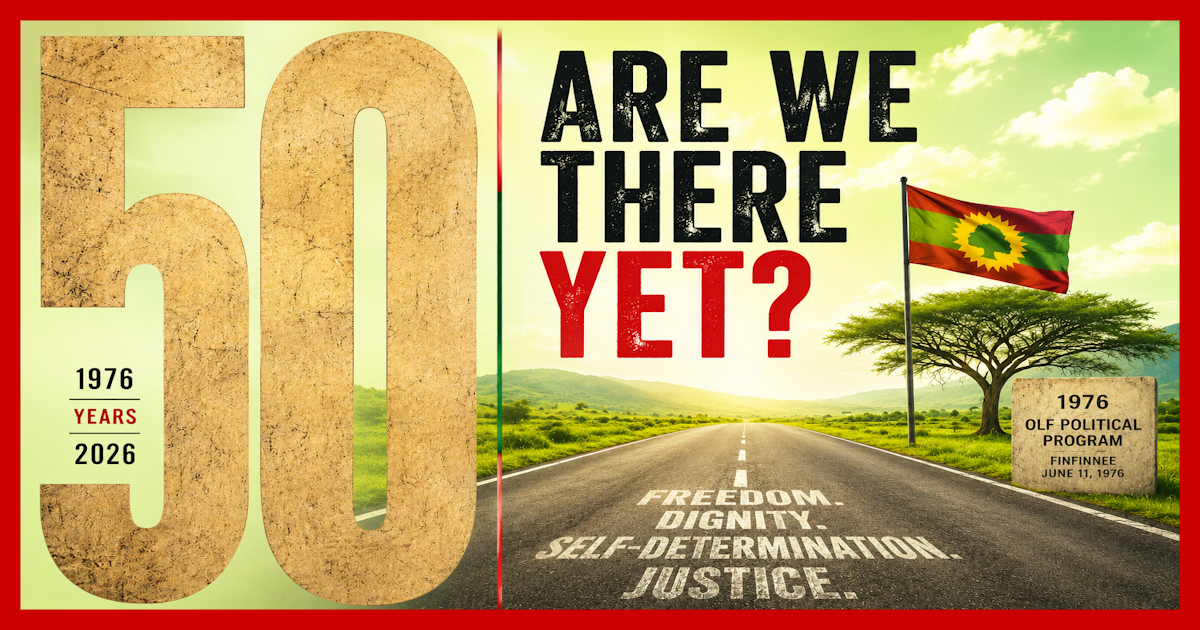
Fifty years after the 1976 OLF Political Program declared Oromo national self-determination through an independent democratic republic of Oromia as its fundamental objective, the Oromo national question remains unresolved. This reflection revisits the program’s historical force, psychological achievement, constitutional echoes in Article 39, and the strategic ambiguity that still shapes Oromo politics today.
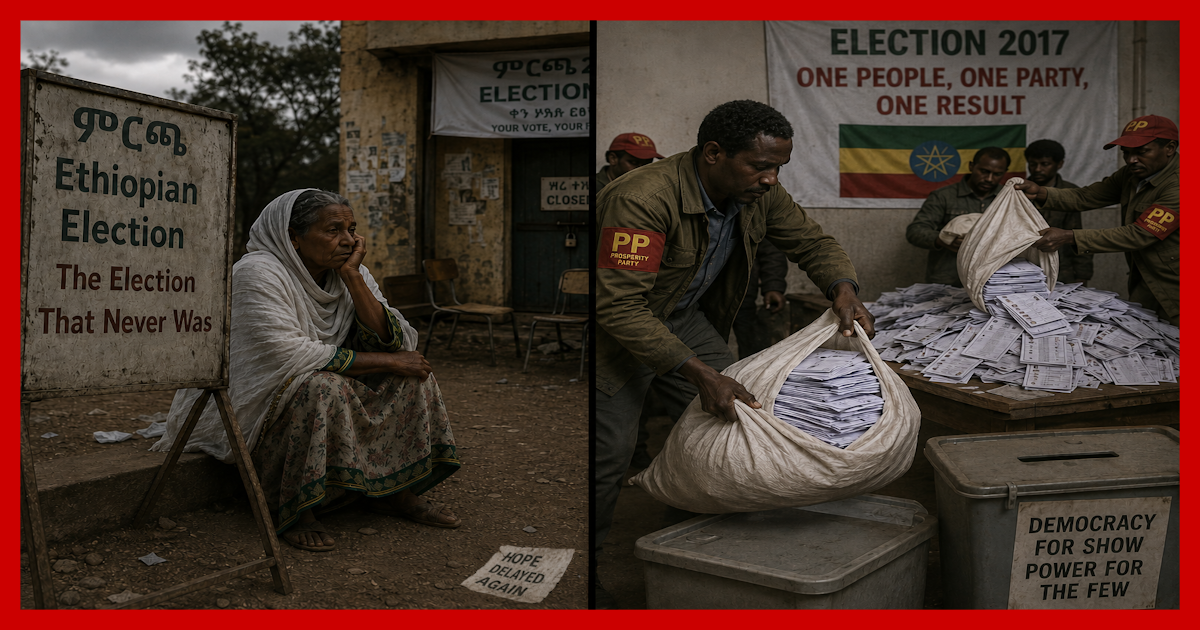
The 2026 Ethiopian election was presented as a democratic exercise through which citizens would renew the mandate of their government. Yet when vast portions of the country remained outside normal electoral conditions and the outcome appeared predetermined long before voting day, the more fundamental question became unavoidable: can an election still be called an election when millions of citizens are effectively absent from the process?
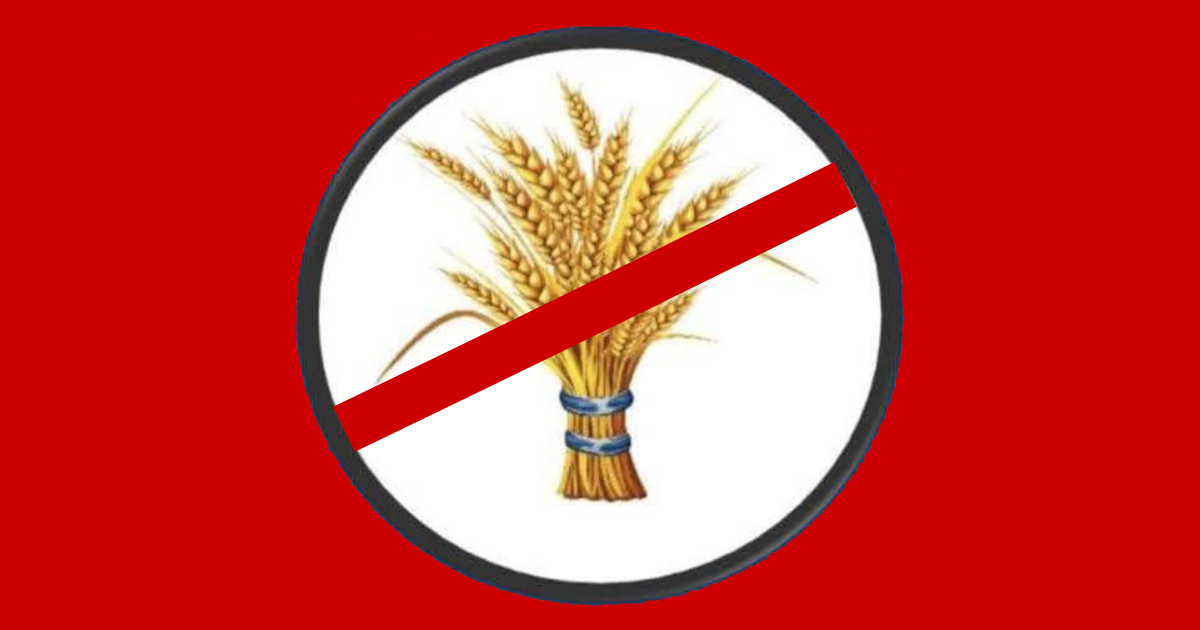
As Ethiopia approaches the 2026 election, questions increasingly shift from who will win to whether meaningful electoral conditions exist at all. With large territories remaining outside normal voting conditions, state machinery openly intertwined with campaigning, and outcomes widely presumed in advance, the election raises deeper questions about democratic legitimacy and political ritual. In what some critics describe as the modern election of the wheat sheaf, the central issue is no longer competition among alternatives, but whether the process serves genuine choice, predetermined confirmation, or merely the optics of electoral continuity.
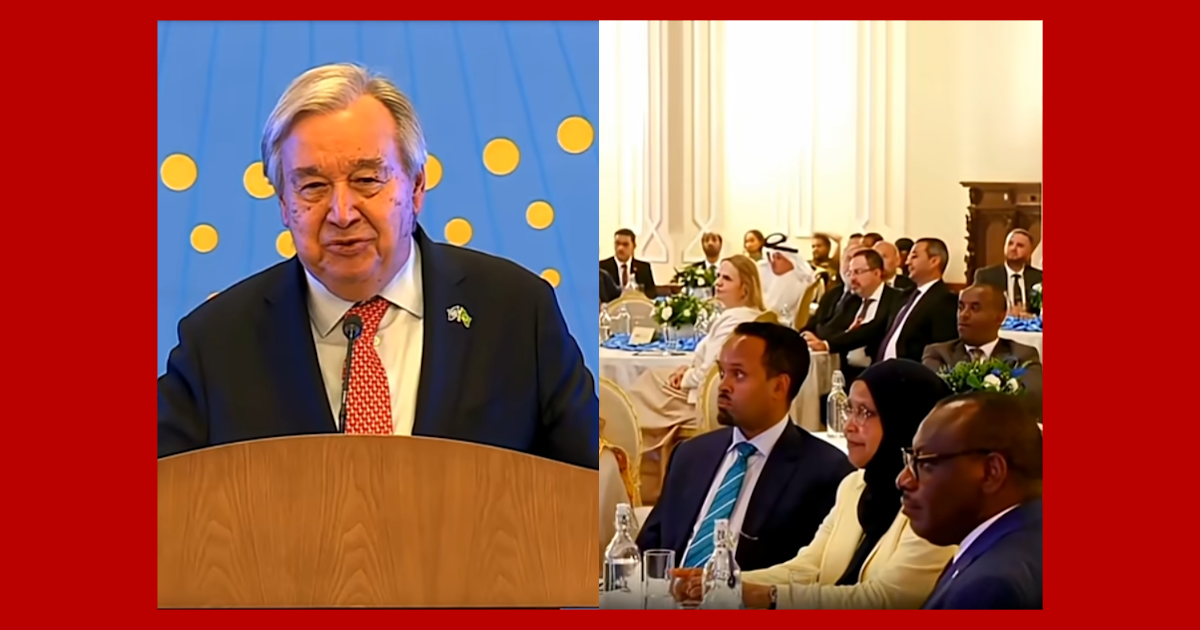
UN Secretary-General António Guterres’ recent remarks in Finfinnee (Addis Ababa) praising Ethiopia as an “old civilization” and celebrating its preserved independence were welcomed by many. Yet for historically marginalized nations and nationalities within Ethiopia, such diplomatic language may unintentionally reinforce contested state narratives. This article offers a respectful reflection on historical plurality, collective memory, and the responsibility of international institutions when speaking about complex multinational states.


866111 671100I like this internet site because so considerably beneficial stuff on here : D. 465906