Skip to content
OROMIA TODAY

OROMIA TODAY

Oromia is a Country

BAKKALCHA OROMIYAA
  • Home
  • Articles
  • Editorial
  • News
  • Opinions
  • About
  • Contact
OROMIA TODAY
OROMIA TODAY
Oromia is a Country
BAKKALCHA OROMIYAA
  • Mono Perspective
    Article | Op-Ed | Politics | ⏭

    The Ethiopian Perspective Gap: Why Some Voices Sound Like Truth—and Others Like Rebuttal

    By Roobaa Hawaas (MA, Psychology) Posted on2026-04-232026-04-22

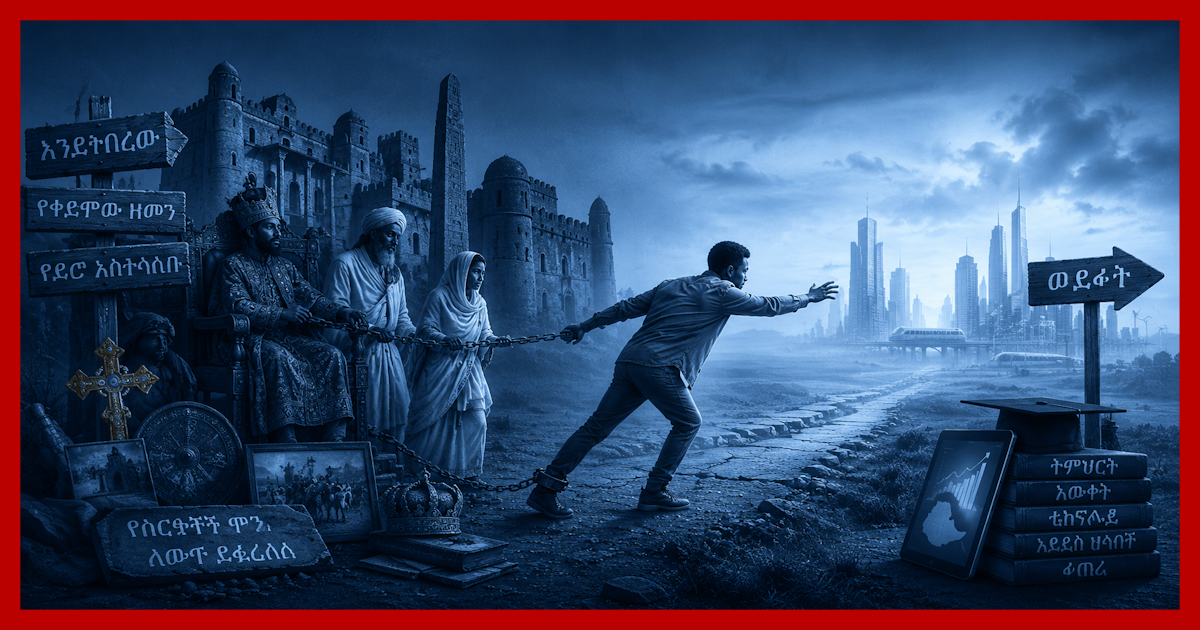
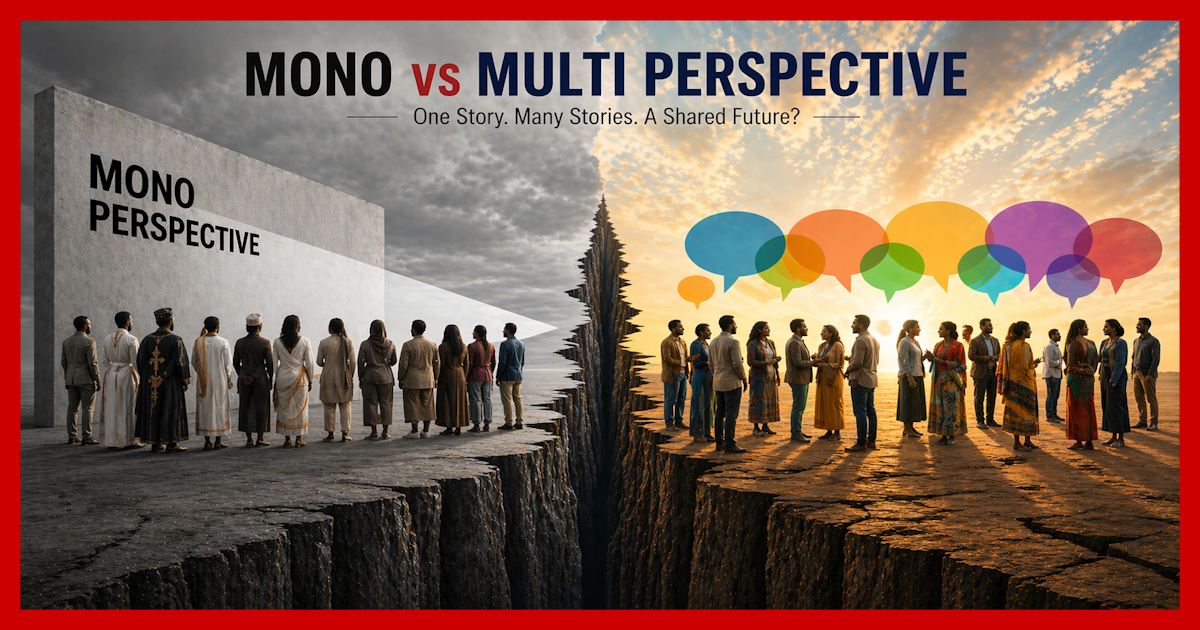
    This op-ed explores how mono perspective sociopolitical views shape both art and politics, often presenting particular experiences as universal truths and thereby constraining meaningful dialogue. It argues that progress requires moving beyond such narrow vantage points—particularly among politicians, who are uniquely positioned to resolve complex sociopolitical issues. To do so, they must step outside mono perspective, engage competing realities with discipline, and adopt a genuinely multi-perspective approach capable of addressing long-standing tensions with clarity and fairness.

    Read More The Ethiopian Perspective Gap: Why Some Voices Sound Like Truth—and Others Like RebuttalContinue

  • Cui Bono?
    Article | Commentary | Op-Ed | Politics | ⏭

    Cui Bono? The Political Economy of Conflict and the Oromo Question

    By Yadessa Guma (PhD, Anthropology) Posted on2026-04-202026-04-19

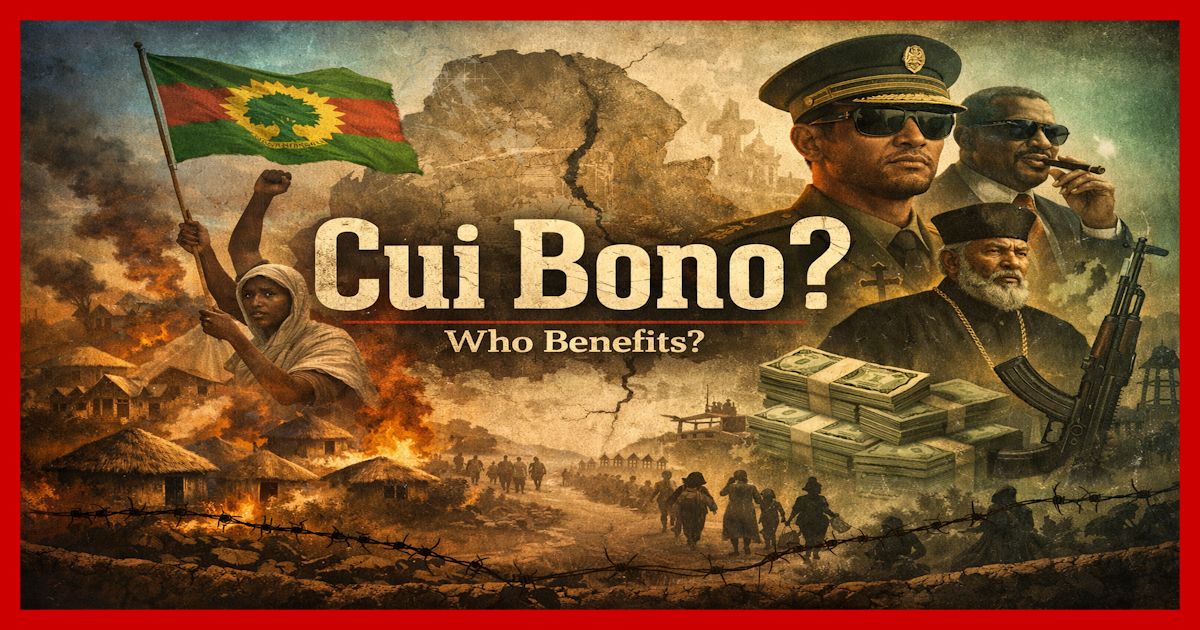
    “Cui Bono?”—who benefits? This article applies that question to Ethiopia’s recurring cycles of conflict, arguing that instability is not accidental but structurally embedded. By centering the Oromo experience, it shows how political, military, and economic elites—historically reproduced through entrenched advantage—derive disproportionate benefit, while the broader population bears the cost. Without confronting this imbalance and the unresolved Oromo question, durable peace and equitable development will remain elusive.

    Read More Cui Bono? The Political Economy of Conflict and the Oromo QuestionContinue

  • Ambo
    Article | Community | Human Rights | Politics | ⏭

    Ambo: Cruelty in Plain Sight — Violence, Impunity, and the Political Crisis in Oromia

    By Yadessa Guma (PhD, Anthropology) Posted on2026-04-162026-04-16

    In Ambo, a shocking act of violence against young adults exposes more than individual cruelty—it reveals a growing pattern of impunity and normalized abuse across Oromia. What appears as a single incident reflects a deeper crisis, where violence is increasingly visible, accountability is absent, and fear is woven into daily life. As informal actors and unchecked forces shape events on the ground, the question is no longer whether this is isolated, but how far the pattern extends.

    Read More Ambo: Cruelty in Plain Sight — Violence, Impunity, and the Political Crisis in OromiaContinue

  • Electoral Process
    Article | Politics

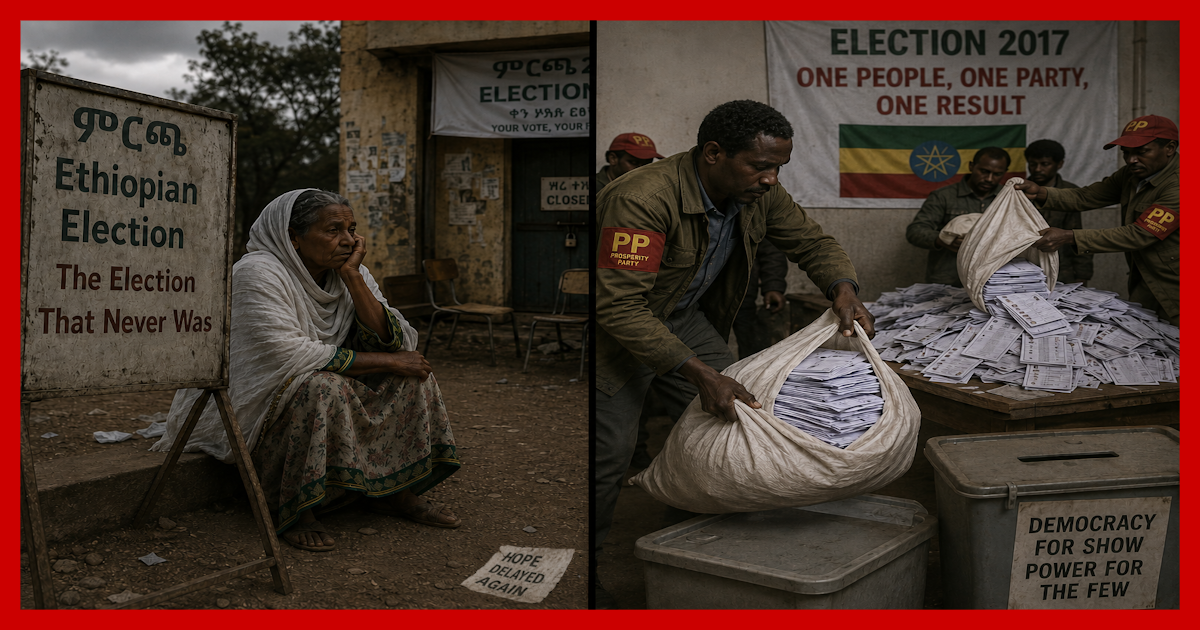
    7 Reasons Why There Can Be No Credible Electoral Process in an Empire Disintegrating Before Our Eyes

    By Elemoo Qilxuu (MA, Political Science) and Kumaa Daadhii (PhD, Political History) Posted on2026-03-302026-03-29

    Even if elections are predetermined, they still require minimum conditions and structures to stage the illusion of democracy. In today’s Ethiopia, those conditions no longer exist. Large parts of Ethiopia are outside regime control, opposition parties participate only to avoid deregistration, insecurity is widespread, and political intimidation is routine. Some regions appear politically detached, actively contemplating a post-Ethiopia political order, and therefore cannot be considered fully participatory in the electoral process. This is no longer an election that can be rigged; it is an election that cannot even be convincingly staged.

    Read More 7 Reasons Why There Can Be No Credible Electoral Process in an Empire Disintegrating Before Our EyesContinue

  • Elite Integration
    Article | Opinion | Politics | ⏭

    Elite Integration Without Institutional ConsolidationThe Gobana Pattern and the Structural Logic of External Alignment

    By Dereje Hawas (PhD, Elec Eng) Posted on2026-03-202026-03-20

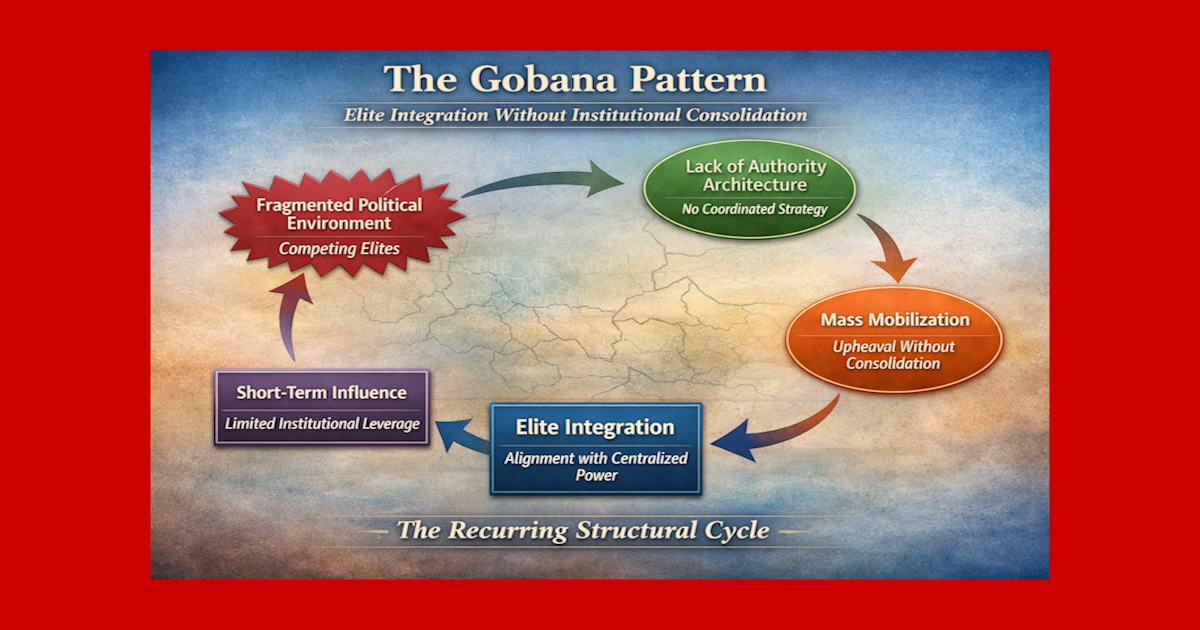
    Elite Integration has repeatedly appeared in Oromo political history as a rational response to fragmentation, weak internal authority, and expanding centralized power. This essay argues that the “Gobana Pattern” is not a story of regional betrayal or personal defect, but a recurring structural dynamic in which elites align externally when institutional consolidation is absent. It concludes a broader series on fragmentation, authority architecture, and the political consequences of mobilization without durable institutional power.

    Read More Elite Integration Without Institutional ConsolidationThe Gobana Pattern and the Structural Logic of External AlignmentContinue

  • Moral Asymmetry
    Commentary | Opinion | Politics

    Can Recognizing a Moral Asymmetry Bridge Ethiopia’s Worlds-Apart Historical Narratives?

    By Elemoo Qilxuu (MA, Political Science) Posted on2026-03-152026-03-14

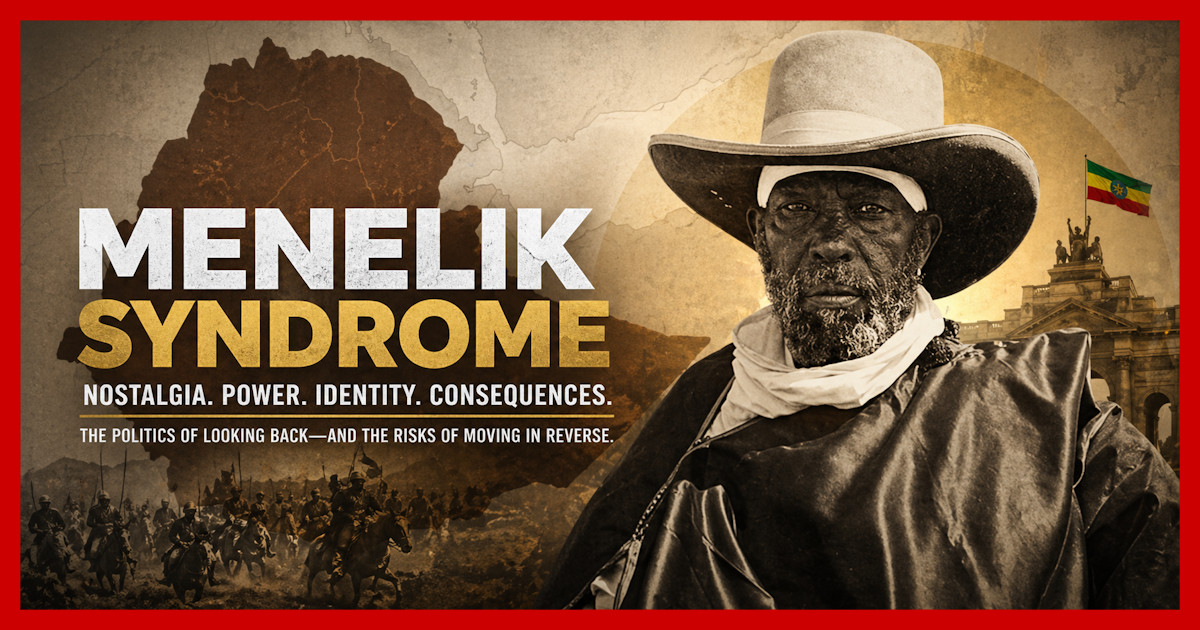
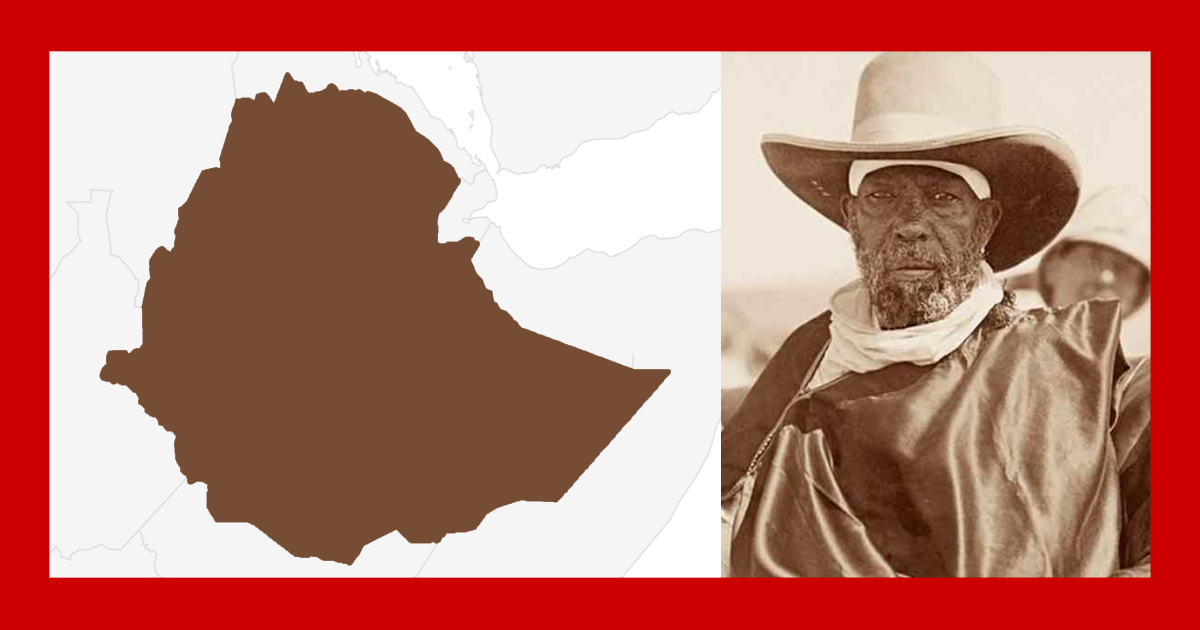
    Ethiopia’s debate over Menelik II reflects far more than disagreement about a ruler’s legacy. It reveals two historical memories occupying the same political space yet interpreting the same events in radically different ways. This essay introduces the concept of moral asymmetry—the unequal ethical weight between disputing a leader’s greatness and denying the suffering experienced by others—and explores whether acknowledging this asymmetry can help narrow Ethiopia’s deeply divided historical narratives.

    Read More Can Recognizing a Moral Asymmetry Bridge Ethiopia’s Worlds-Apart Historical Narratives?Continue

  • Architecture of Authority
    Article | Commentary | Opinion | Politics

    Oromos and the Architecture of AuthoritySurvival, Role Discipline, and Institutional Design

    By Dereje Hawas (PhD, Elec Eng) Posted on2026-03-102026-03-06

    Calls for unity within the Oromo political sphere have become increasingly frequent, yet unity alone does not produce strategic effectiveness. This article argues that the deeper problem is the lack of an effective architecture of authority capable of assigning roles, managing disagreement, and converting mobilization into institutional power. Drawing on the historical experience of 1991 and the 2014–2018 mobilizations, it examines why fragmentation persists and outlines the institutional design needed for durable political authority.

    Read More Oromos and the Architecture of AuthoritySurvival, Role Discipline, and Institutional DesignContinue

  • Regional War
    Article | Op-Ed | Politics | ⏭

    Oromos and the Rising Risk of Regional War: Power, Leverage, and Post-War Reality

    By Dereje Hawas (PhD, Elec Eng) Posted on2026-02-222026-02-16

    War is not decided by outrage, slogans, or population size, but by organization, internal consolidation, and clear political priorities. As tensions re-emerge in northern Ethiopia, Oromos face a strategic question: will they shape a potential regional war’s outcome, or be shaped by it? Demography and geography create leverage only when converted into disciplined coordination. The lessons of 1991 and 2018 show that mobilization without institutional capacity yields participation without authorship.

    Read More Oromos and the Rising Risk of Regional War: Power, Leverage, and Post-War RealityContinue

  • Empire
    Article | Op-Ed | Politics | ⏭

    Ethiopia, Empire, and the Architecture of Perpetual Violence

    By Elemoo Qilxuu (MA, Political Science) Posted on2026-02-202026-02-20

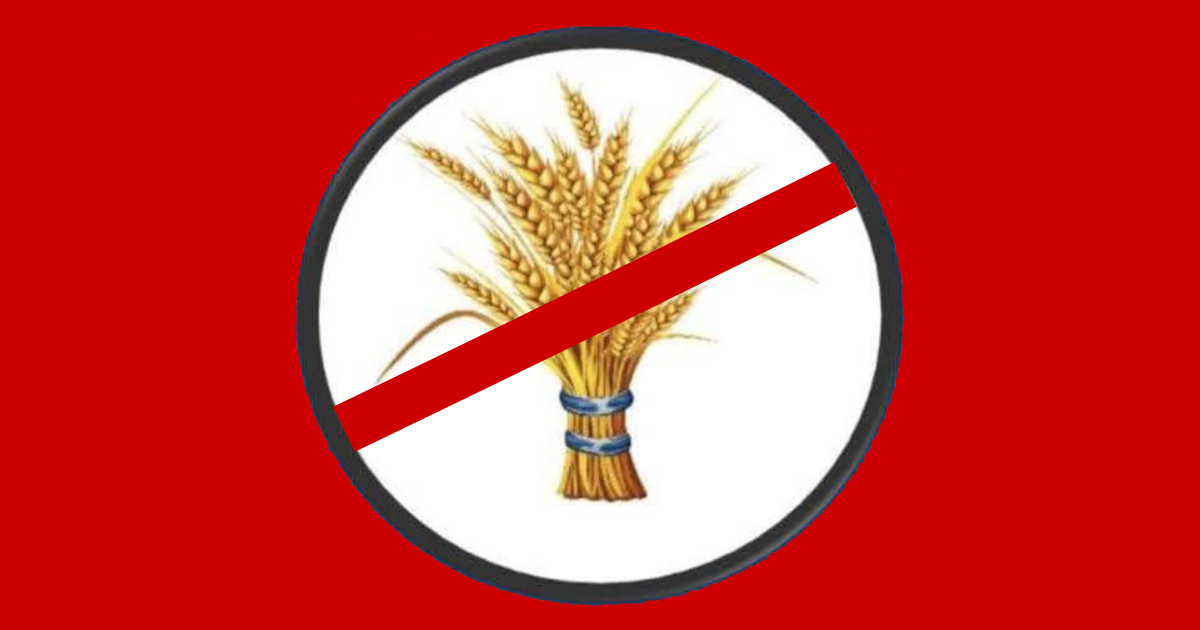
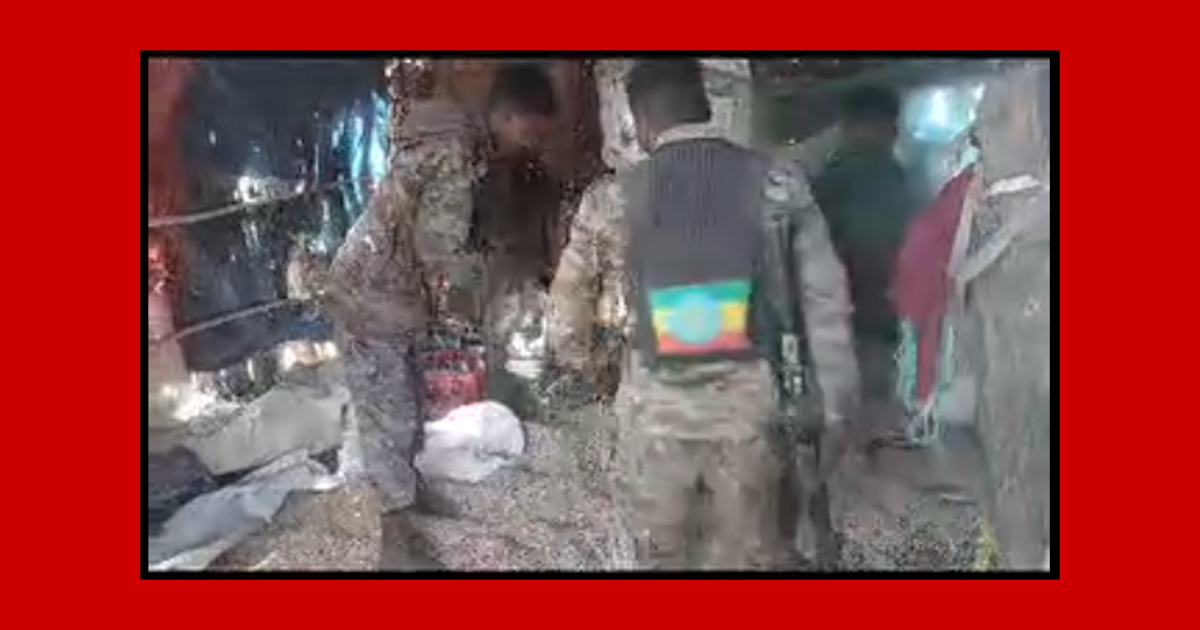
    Video footage circulating on social media showing ENDF forces deliberately destroying grain stored in Amhara farmers’ warehouses stopped me cold. If you were challenged to write an essay on this sadistic act, what would your take be? How would you title it—The Banality of Cruelty in a Militarized State? When the State Trains Young Men to Laugh at Hunger?

    For me, this footage reveals far more than a single atrocity. It exposes something deeply rotten—structural, inherited, and unresolved—at the core of an empire called Ethiopia.

    Please bear with me. Stay with me for a brief but unflinching analysis of what lies beneath the surface.

    Read More Ethiopia, Empire, and the Architecture of Perpetual ViolenceContinue

  • 12 billion
    Editorial | Politics | ⏭

    Math Meets PP Myth No. 5: When 12 Billion Birr GERD Contributions Become Insults

    By OT Editorial Posted on2026-01-232026-01-23

    In this fifth installment of Math Meets PP Myth, the dismissal of 12 billion birr as “insignificant” reveals more than numerical abuse. It exposes a psychology of power that cannot tolerate shared ownership. Leaders secure in legitimacy thank contributors; insecure ones belittle them. Reducing citizens to percentages is not economic analysis—it is political conditioning, preparing the public to accept exclusion, silence, and hierarchy under the guise of math.

    Read More Math Meets PP Myth No. 5: When 12 Billion Birr GERD Contributions Become InsultsContinue

  • Lidetu Ayalew
    Article | Opinion | Politics | ⏭

    Lidetu Ayalew, Finfinnee, Oromia, Federalism, and the Perils of Principle-free Politics

    By Elemoo Qilxuu (MA, Political Science) Posted on2026-01-162026-01-15

    When politics loses its grammar, words stop meaning what they mean and power begins to masquerade as principle. In critiquing Lidetu Ayalew, this piece is not about personal disappointment but about a deeper political failure: the refusal to accept irreversible facts of federalism, Oromo self-rule, and historical reality. Denial is not argument. Semantic inversion is not moderation. And restoration politics, however eloquent, cannot substitute for credible, principled leadership.

    Read More Lidetu Ayalew, Finfinnee, Oromia, Federalism, and the Perils of Principle-free PoliticsContinue

  • Misooma
    Siyaasa | Yaada

    Waayee Aabbuu Seeraa Fi Misooma Ilaalchisee, Ergaa Faarseebulaa Fi

    By OROMIA TODAY Posted on2026-01-122026-01-12

    Yerroo ammaa kana, Faarseebulaan ofii janjayee, biyaa janjessaa jira. "Misoomnni" ummataa Oromoo balleessuf karooraa baafatee ka'e yoo qeeqaan, akka faallaa misoomaa dhabaatanitti fudhatu. Bayyen isaanii, oduma beekanuu, firiifaarii jarri itti darbatani jechuuf, dununfatanii quuqaama Oromoo irratti duulu. Kan sobee rafe silaawu hin damaqqu; mee kan dhugaa rafe, Afaan Ingiliffa'rra Afaan Oromoo dubbisuun salphaa yoo ta'ef jechuun barruu kana maxansine.

    Read More Waayee Aabbuu Seeraa Fi Misooma Ilaalchisee, Ergaa Faarseebulaa FiContinue

  • Tuulamaa
    Campaign | ⏭

    Save the Tuulamaas and Their Ancestral Lands

    By GLONA (GLobal Odaa Nabee Association) Posted on2026-01-092026-01-11

    Tuulamaa did not vanish by accident. Over 150 years, “development” projects—from Finfinne and Bole Airport to today’s Mega Airport—have systematically erased Tuulamaa communities in central Oromia. This article exposes the pattern, highlights the latest threat, and calls readers to peaceful, informed action before the Tuulamaa story becomes history written in concrete.

    Read More Save the Tuulamaas and Their Ancestral LandsContinue

  • Medemer
    Op-Ed | Politics | ⏭

    How Will Medemer Be Remembered?

    By Kumaa Daadhii (PhD, Political History) Posted on2026-01-072026-01-07

    Medemer will not be remembered by its promises but by its consequences. Branded as a "doctrine" of unity, Medemer instead presided over spectacle development confined to the capital, permanent war governance, economic unraveling, normalized brutality, and systematic evictions of central Oromia. The glitter of street lights masked structural collapse, while fear became an instrument of rule. History is likely to record Medemer not as "addition", but as "subtraction"—of lives, trust, justice, and peoples' unrealized potential.

    Read More How Will Medemer Be Remembered?Continue

  • Assab
    Editorial | Politics | ⏭

    An Empire That Refuses to Learn — When Power Is Reduced to Drawing Lines with Assab Port

    By OT Editorial Posted on2026-01-062026-01-06

    The delusional redrawing of maps to suggest the annexation of Assab Port is not a harmless provocation but a dangerous rehearsal for an unnecessary war—one that diplomacy can and must avert. History shows who pays when empires test fantasies with force: coerced Oromo youth sent to fight wars they did not choose. The Oromo people have learned from loss, and they reject yet another imperial gamble with their sons and daughters.

    Read More An Empire That Refuses to Learn — When Power Is Reduced to Drawing Lines with Assab PortContinue

  • AI University
    Editorial | ⏭

    Dreaming Out of Sequence: Abiy Ahmed, AI University, and Ethiopia’s Education Crisis

    By OT Editorial Posted on2026-01-052026-01-05

    The announcement of an AI University at Addis Ababa University’s 75th Anniversary was framed as visionary, yet it exposed a deeper contradiction in Ethiopia’s education crisis. While graduates remain unemployed, schools are closed by insecurity, and academic standards decline, grand AI ambitions risk becoming spectacle rather than substance. This article examines how misplaced sequencing, political psychology, and institutional fragility turn the promise of an AI University into a symbol of imbalance rather than progress.

    Read More Dreaming Out of Sequence: Abiy Ahmed, AI University, and Ethiopia’s Education CrisisContinue

Page navigation

1 2 Next PageNext

Archives

Recent Posts

  • The Ethiopian Perspective Gap: Why Some Voices Sound Like Truth—and Others Like Rebuttal
  • One Song, Five Messages
  • Cui Bono? The Political Economy of Conflict and the Oromo Question
  • Ambo: Cruelty in Plain Sight — Violence, Impunity, and the Political Crisis in Oromia
  • Remembering Guyyaa Gootota Oromoo
  • Oromo Martyrs Day—April 15, 2026: Memory, Sacrifice, and the Unfinished Future of Oromia
  • The Peace Conference Without the Other Side
  • 7 Reasons Why There Can Be No Credible Electoral Process in an Empire Disintegrating Before Our Eyes
  • History Comes to the UN and Asks for a Vote
  • Much Ado About Nothing—The Illusion of Elections in Oromia and Ethiopia

Authors

Categories

Recent Comments

  • webmaster on Remembering Guyyaa Gootota Oromoo
  • ejigu etana on Remembering Guyyaa Gootota Oromoo
  • ejigu etana on Remembering Guyyaa Gootota Oromoo
  • Raba Dori on Between Water at the Margins and SurvivalEnvironmental Precarity and the Political Economy of Inequality in Oromia
  • Dereje Hawas on Between Water at the Margins and SurvivalEnvironmental Precarity and the Political Economy of Inequality in Oromia
Facebook X YouTube TikTok Telegram

© 2026 OROMIA TODAY

Report an Incident

Tags Cloud

3000-Year Myth Aabbuu Seeraa Aabbuu Seeraa Airport Abiy Ahmed Amhara Elite Amhara Fano Caffee Oromia Calii Tuulamaa ENDC Eritrea Ethiopian Empire EZEMA Faarseebulaa Fact-checking FearlessTayeDanda'a Finfinnee Gadaa Supercity GERD History & Memory IMF Indigenous Oromo Indigenous Rights Irreechaa July 2024 Macroeconomic Policy Math Meets PP Myth MMPPM Moyale Multinational Federalism OLA OLF OLF-OLA OPDO/PP Oromia Oromo Questions Oromo Struggle Oromummaa PP Regime PP Regime Brutality Remembrance Safuu Shimelis Abdissa Somali Region Taye Danda'a TPLF Tribute
Scroll to top
  • Home
  • Articles
  • Editorial
  • News
  • Opinions
  • About
  • Contact
Search