Skip to content
OROMIA TODAY

OROMIA TODAY

Oromia is a Country

BAKKALCHA OROMIYAA
  • Home
  • Articles
  • Editorial
  • News
  • Opinions
  • About
  • Contact
OROMIA TODAY
OROMIA TODAY
Oromia is a Country
BAKKALCHA OROMIYAA
  • Regression
    Article | Op-Ed | Politics

    Regression Preference Syndrome: Debunking the Regressive Tendency in Ethiopian Politics

    By Roobaa Hawaas (MA, Psychology) Posted on2026-05-172026-05-17

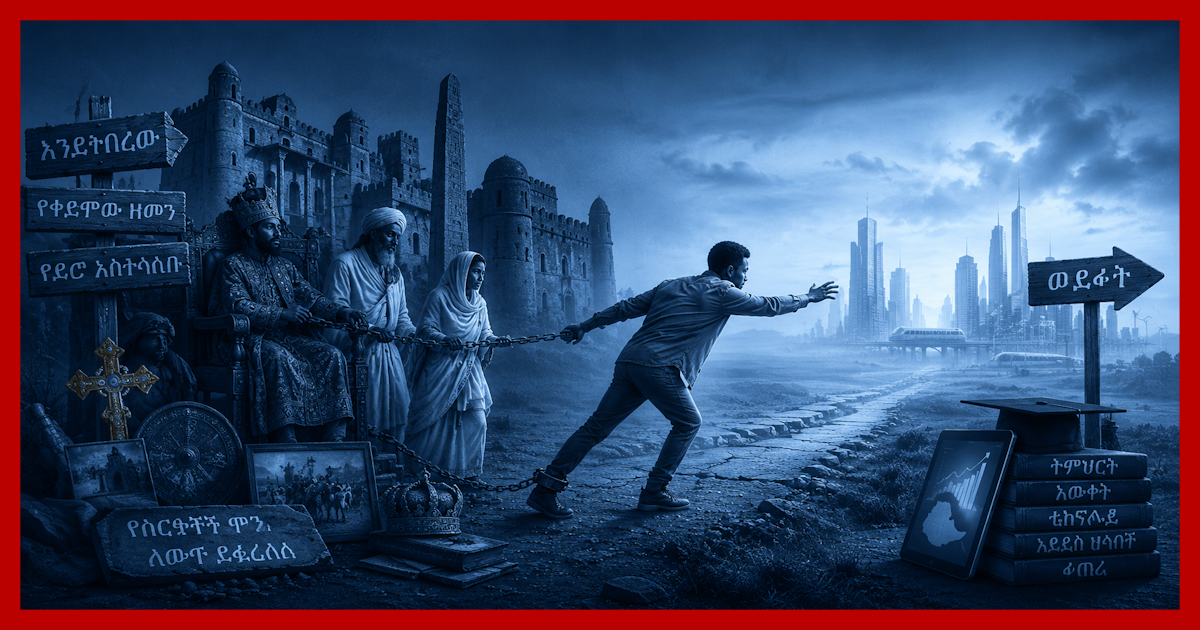
    Regression Preference Syndrome is proposed as a political-psychological framework explaining Ethiopia's recurring tendency to favor historical rollback over incremental democratic progress. Using contemporary examples from autocratic rule, internal wars, unresolved national questions, maritime access discourse, and hard-power politics, the article argues that regression often appears psychologically easier than reform. It calls for Ethiopia to reject destructive coercive approaches, embrace soft power and negotiated settlements, and pursue gradual democratic progress instead of disruptive retrogressive steps that risk repeating historical cycles.

    Read More Regression Preference Syndrome: Debunking the Regressive Tendency in Ethiopian PoliticsContinue

  • Article 39
    Article | Op-Ed | Politics

    What Does the Demand “Remove Article 39” Really Mean?

    By OT Editorial Posted on2026-05-152026-05-15

    Article 39 of the Ethiopian Constitution is often portrayed as a threat to national unity, but its deeper purpose is widely misunderstood. Far from encouraging separation, Article 39 functions as a constitutional safety valve that guarantees coexistence by consent rather than coercion. This article explores why the demand to remove Article 39 alarms many nations and peoples, the political psychology behind self-determination, and how abolishing constitutional guarantees could unintentionally weaken the very unity its opponents claim to defend.

    Read More What Does the Demand “Remove Article 39” Really Mean?Continue

  • Trauma
    Article | Epigenetics | Politics | Psychosociology | Social Psychology | Sociopolitical

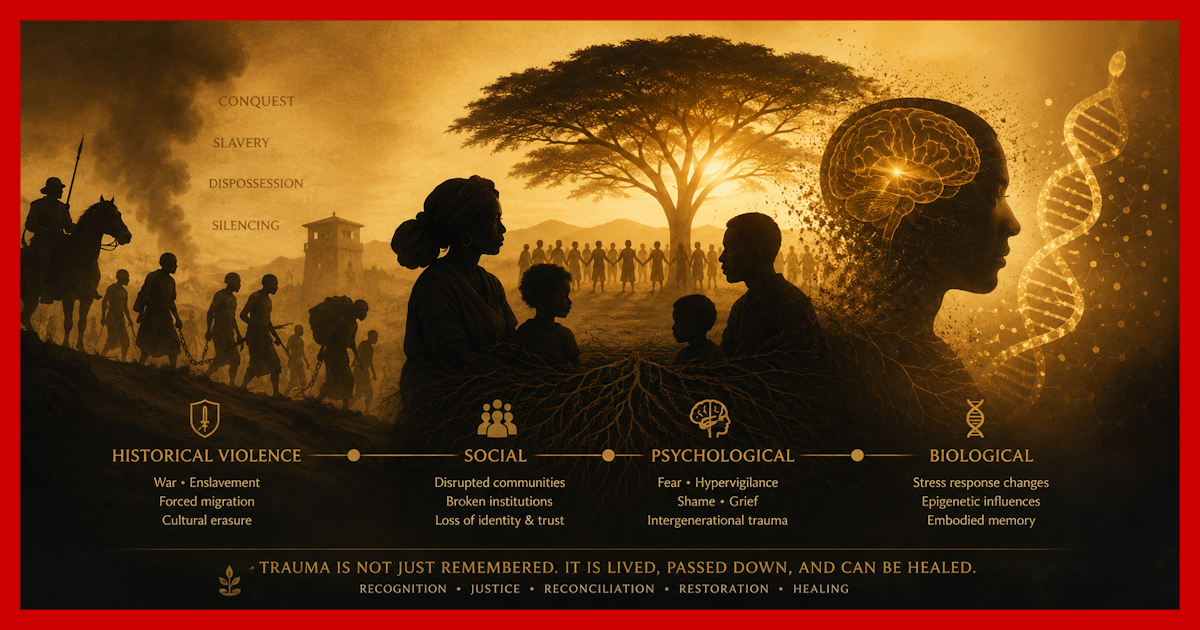
    From Trauma to Transformation: Historical Violence and the Possibility of Healing in Oromia

    By Yadessa Guma (PhD, Anthropology) Posted on2026-05-062026-05-05

    From conquest and slavery to modern conflict and insecurity, this article explores how historical violence continues to shape Oromia across generations socially, psychologically, and potentially biologically. Drawing on trauma studies, epigenetics, post-conflict research, and anti-colonial thought, it argues that lasting peace requires more than political change. Recognition, justice, cultural restoration, reconciliation, and healing are essential to breaking cycles of trauma and building a more stable and humane future.

    Read More From Trauma to Transformation: Historical Violence and the Possibility of Healing in OromiaContinue

  • Oromo Elder
    Article | Op-Ed | Voices from the Struggle

    When Guardians Become Predators: A Cry from an Oromo Elder

    By OROMIA TODAY Posted on2026-05-022026-05-02

    In this compelling personal note, an Oromo Elder speaks out on the spread of organized criminal groups and the collapse of moral order in Oromia. From Ambo to Finfinnee, from Adama to Shashamane and beyond, his words capture a painful reality: citizens are left defenseless as those in power enable injustice. The Oromo Elder urges prayer, action, and collective awakening to confront this dark moment before it defines the future.

    Read More When Guardians Become Predators: A Cry from an Oromo ElderContinue

  • Menelik Syndrome
    Article | Op-Ed | Politics

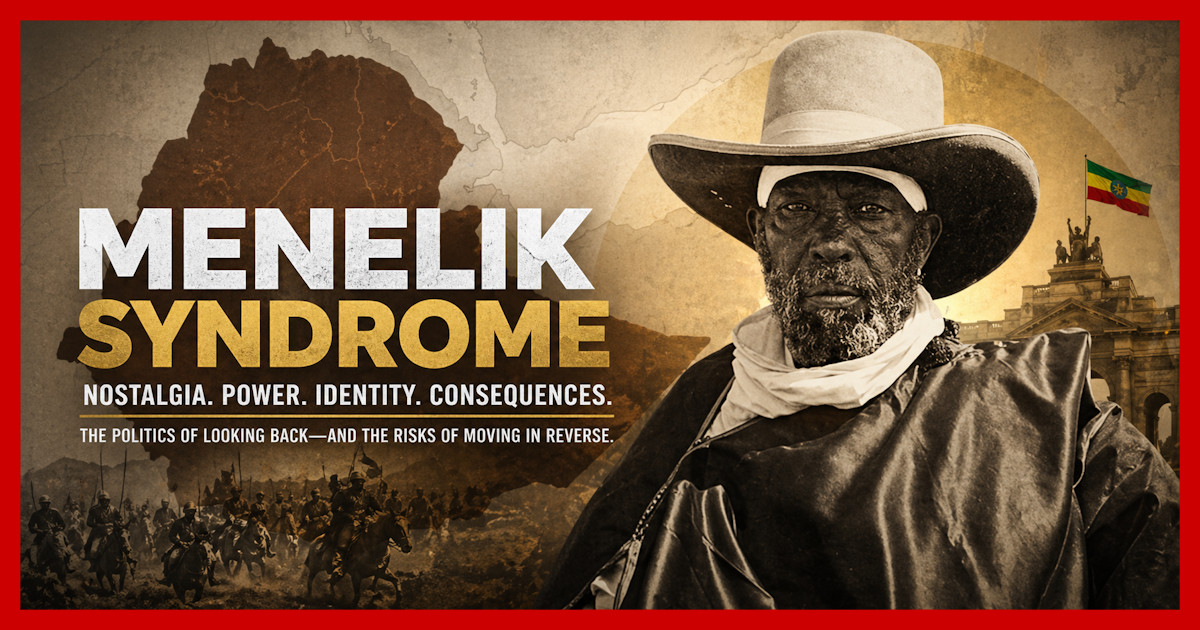
    Ethiopia Forward to the Past: The Politics of Nostalgia and the “Menelik Syndrome”

    By Yadessa Guma (PhD, Anthropology) Posted on2026-04-282026-04-28

    “Menelik Syndrome” captures a recurring pattern in Ethiopia’s political imagination: the selective revival of an idealized imperial past as a solution to present crises. Framed around the legacy of Menelik II, it elevates symbols of unity, strength, and state consolidation while downplaying the coercive foundations on which that unity was built. In contemporary discourse, this manifests in calls to “restore Ethiopia’s past glory”—a narrative that resonates emotionally but risks reopening unresolved historical contradictions. As a political lens, Menelik Syndrome helps explain how nostalgia, when filtered through power, can shape national identity, influence policy direction, and—paradoxically—intensify fragmentation rather than resolve it.

    Read More Ethiopia Forward to the Past: The Politics of Nostalgia and the “Menelik Syndrome”Continue

  • Mono Perspective
    Article | Op-Ed | Politics | ⏭

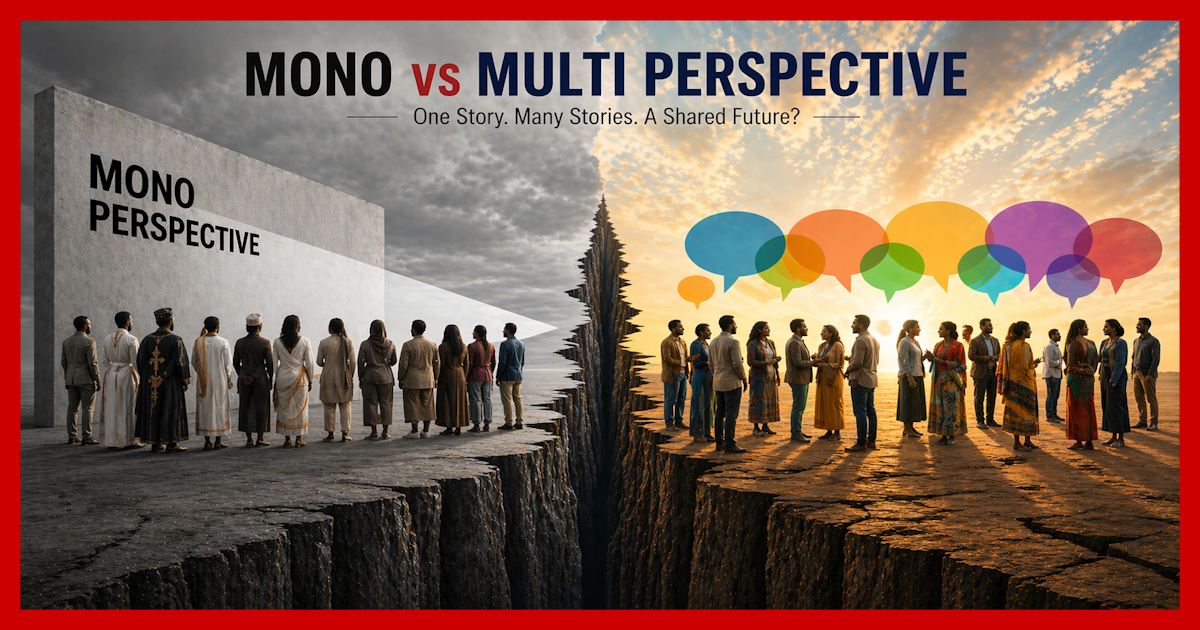
    The Ethiopian Perspective Gap: Why Some Voices Sound Like Truth—and Others Like Rebuttal

    By Roobaa Hawaas (MA, Psychology) Posted on2026-04-232026-04-22

    This op-ed explores how mono perspective sociopolitical views shape both art and politics, often presenting particular experiences as universal truths and thereby constraining meaningful dialogue. It argues that progress requires moving beyond such narrow vantage points—particularly among politicians, who are uniquely positioned to resolve complex sociopolitical issues. To do so, they must step outside mono perspective, engage competing realities with discipline, and adopt a genuinely multi-perspective approach capable of addressing long-standing tensions with clarity and fairness.

    Read More The Ethiopian Perspective Gap: Why Some Voices Sound Like Truth—and Others Like RebuttalContinue

  • One Song
    Article | Commentary | Opinion | Politics

    One Song, Five Messages

    By Elemoo Qilxuu (MA, Political Science) Posted on2026-04-212026-04-21

    In just days, one song by Tewodros "Teddy Afro" Kassahun has ignited a firestorm—revealing not unity, but multiple Ethiopias speaking past each other. What appears as controversy is, in truth, a deeper collision of meanings shaped by power, history, identity, and memory. This article unpacks the layered messages behind the moment, exposing how one song became a prism through which a fractured empire sees itself.

    Read More One Song, Five MessagesContinue

  • Cui Bono?
    Article | Commentary | Op-Ed | Politics | ⏭

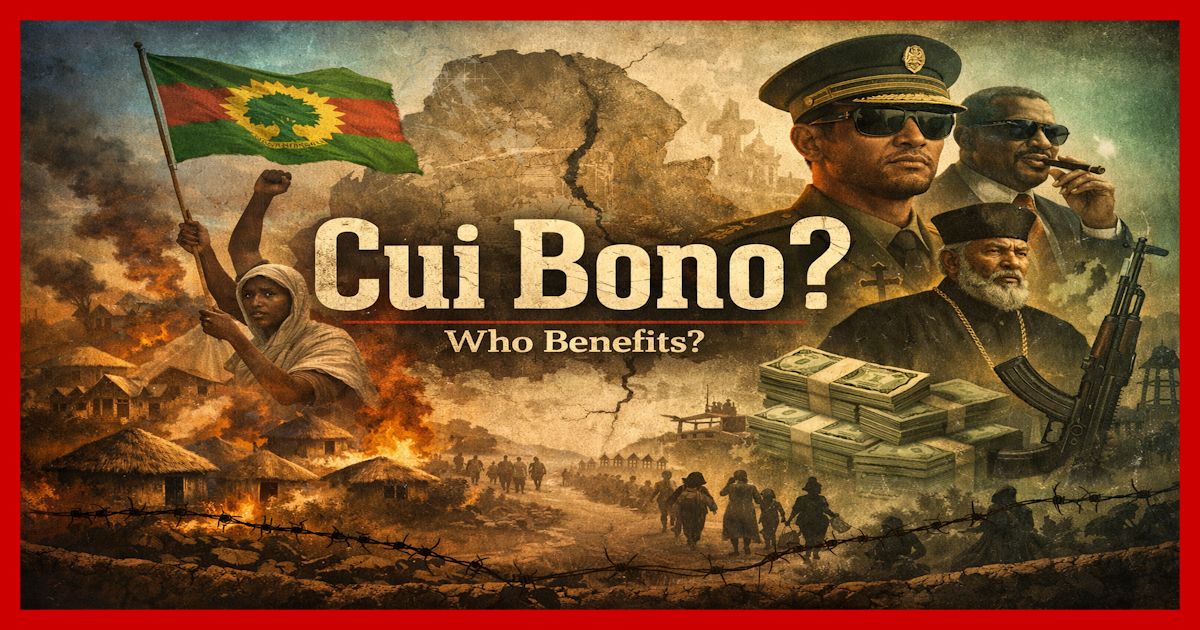
    Cui Bono? The Political Economy of Conflict and the Oromo Question

    By Yadessa Guma (PhD, Anthropology) Posted on2026-04-202026-04-19

    “Cui Bono?”—who benefits? This article applies that question to Ethiopia’s recurring cycles of conflict, arguing that instability is not accidental but structurally embedded. By centering the Oromo experience, it shows how political, military, and economic elites—historically reproduced through entrenched advantage—derive disproportionate benefit, while the broader population bears the cost. Without confronting this imbalance and the unresolved Oromo question, durable peace and equitable development will remain elusive.

    Read More Cui Bono? The Political Economy of Conflict and the Oromo QuestionContinue

  • Ambo
    Article | Community | Human Rights | Politics | ⏭

    Ambo: Cruelty in Plain Sight — Violence, Impunity, and the Political Crisis in Oromia

    By Yadessa Guma (PhD, Anthropology) Posted on2026-04-162026-04-16

    In Ambo, a shocking act of violence against young adults exposes more than individual cruelty—it reveals a growing pattern of impunity and normalized abuse across Oromia. What appears as a single incident reflects a deeper crisis, where violence is increasingly visible, accountability is absent, and fear is woven into daily life. As informal actors and unchecked forces shape events on the ground, the question is no longer whether this is isolated, but how far the pattern extends.

    Read More Ambo: Cruelty in Plain Sight — Violence, Impunity, and the Political Crisis in OromiaContinue

  • Peace Conference
    Article | Commentary | Op-Ed | Politics

    The Peace Conference Without the Other Side

    By Roobaa Hawaas (MA, Psychology) Posted on2026-04-052026-04-04

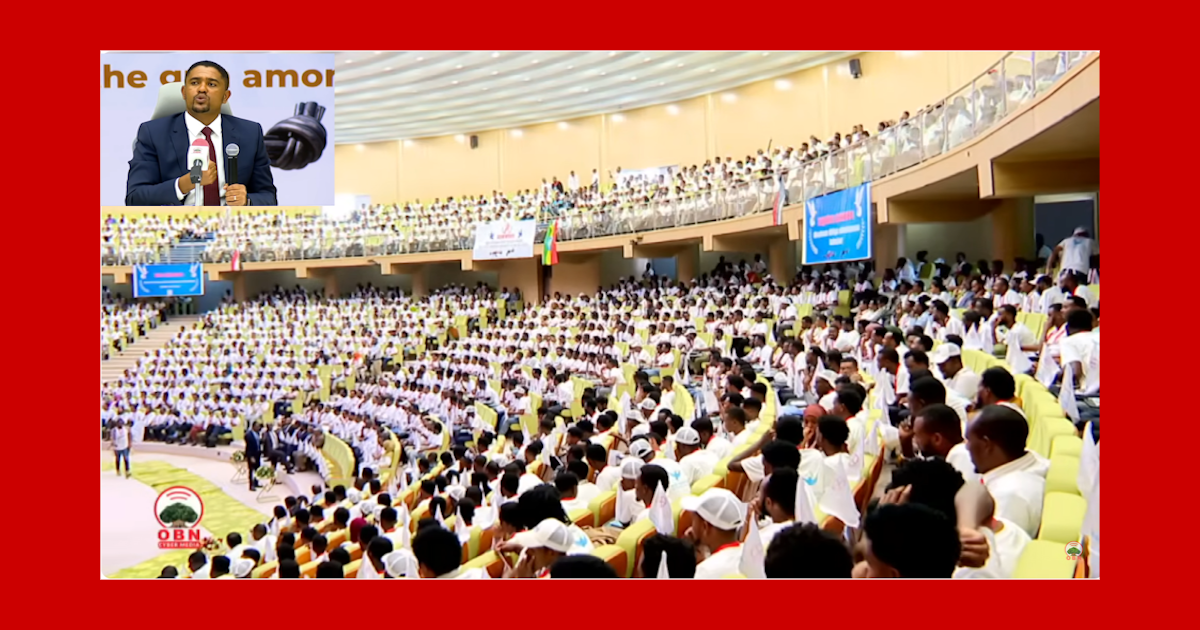
    A peace conference without the other party present is not a peace conference. It is a political performance. The recent speech by Oromia president Shimelis Abdissa and so-called peace gathering reveal a deeper political reality: peace is being used as rhetoric while politics, historical grievances, and negotiations are carefully avoided. The tragedy of the current conflict is not simply war, but the collapse of trust — and without trust, peace cannot exist.

    Read More The Peace Conference Without the Other SideContinue

  • Electoral Process
    Article | Politics

    7 Reasons Why There Can Be No Credible Electoral Process in an Empire Disintegrating Before Our Eyes

    By Elemoo Qilxuu (MA, Political Science) and Kumaa Daadhii (PhD, Political History) Posted on2026-03-302026-03-29

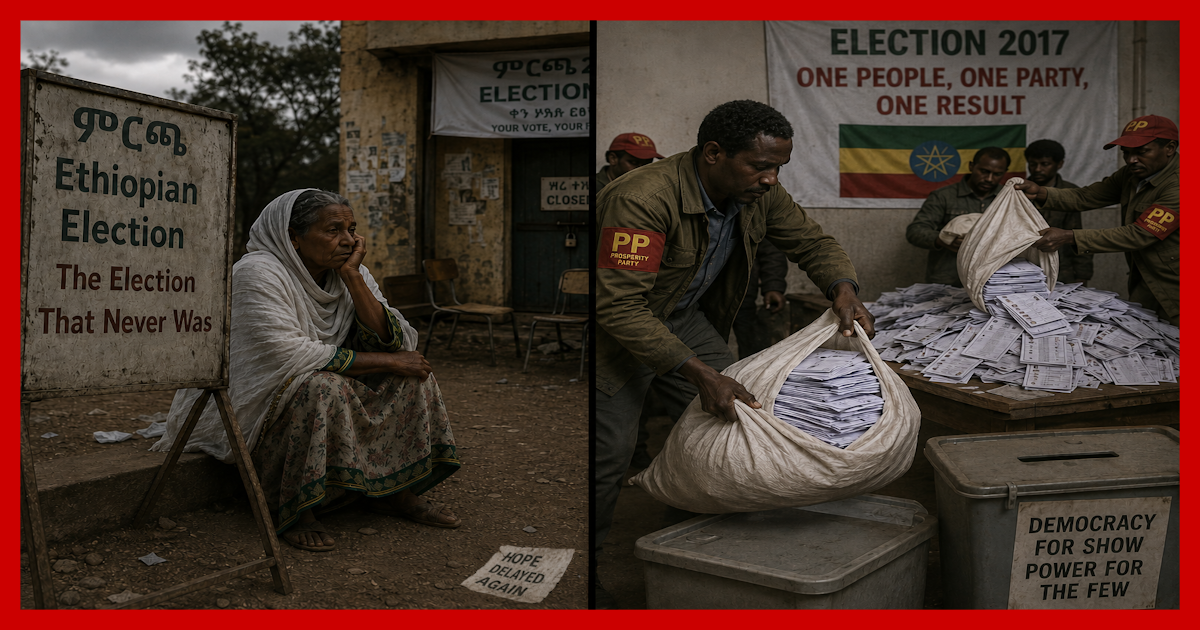
    Even if elections are predetermined, they still require minimum conditions and structures to stage the illusion of democracy. In today’s Ethiopia, those conditions no longer exist. Large parts of Ethiopia are outside regime control, opposition parties participate only to avoid deregistration, insecurity is widespread, and political intimidation is routine. Some regions appear politically detached, actively contemplating a post-Ethiopia political order, and therefore cannot be considered fully participatory in the electoral process. This is no longer an election that can be rigged; it is an election that cannot even be convincingly staged.

    Read More 7 Reasons Why There Can Be No Credible Electoral Process in an Empire Disintegrating Before Our EyesContinue

  • Elite Integration
    Article | Opinion | Politics | ⏭

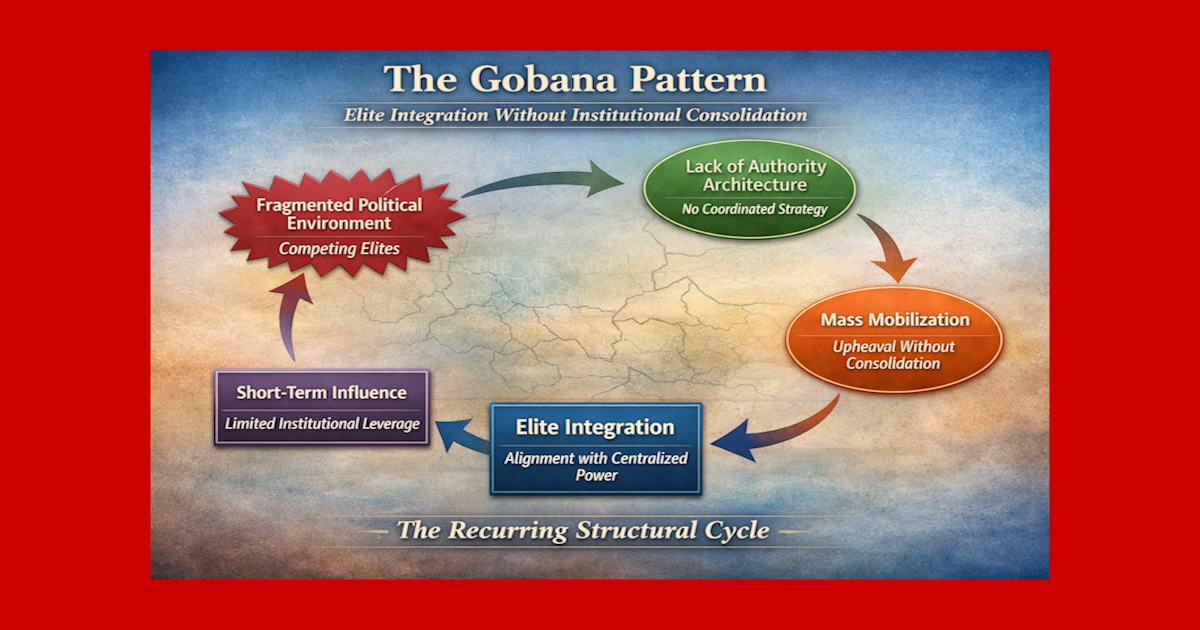
    Elite Integration Without Institutional ConsolidationThe Gobana Pattern and the Structural Logic of External Alignment

    By Dereje Hawas (PhD, Elec Eng) Posted on2026-03-202026-03-20

    Elite Integration has repeatedly appeared in Oromo political history as a rational response to fragmentation, weak internal authority, and expanding centralized power. This essay argues that the “Gobana Pattern” is not a story of regional betrayal or personal defect, but a recurring structural dynamic in which elites align externally when institutional consolidation is absent. It concludes a broader series on fragmentation, authority architecture, and the political consequences of mobilization without durable institutional power.

    Read More Elite Integration Without Institutional ConsolidationThe Gobana Pattern and the Structural Logic of External AlignmentContinue

  • Architecture of Authority
    Article | Commentary | Opinion | Politics

    Oromos and the Architecture of AuthoritySurvival, Role Discipline, and Institutional Design

    By Dereje Hawas (PhD, Elec Eng) Posted on2026-03-102026-03-06

    Calls for unity within the Oromo political sphere have become increasingly frequent, yet unity alone does not produce strategic effectiveness. This article argues that the deeper problem is the lack of an effective architecture of authority capable of assigning roles, managing disagreement, and converting mobilization into institutional power. Drawing on the historical experience of 1991 and the 2014–2018 mobilizations, it examines why fragmentation persists and outlines the institutional design needed for durable political authority.

    Read More Oromos and the Architecture of AuthoritySurvival, Role Discipline, and Institutional DesignContinue

  • Water
    Article | Economy | Politics

    Between Water at the Margins and SurvivalEnvironmental Precarity and the Political Economy of Inequality in Oromia

    By Yadessa Guma (PhD, Anthropology) Posted on2026-03-052026-03-01
    2 Comments

    This article examines a troubling visual and empirical phenomenon: images circulating of Oromo women in the Rift Valley of Oromia risking life and health to fetch water for their families. Understanding this image demands situating it within the broader environmental distress (drought and water scarcity) in southern and eastern Oromia, the pervasive rural poverty that structures everyday life, and the stark contrast with development and economic dynamism in Finfinnee. Using mixed methods—qualitative visual analysis and synthesis of secondary data—we trace the structural causes and propose integrative solutions that move beyond short-term humanitarian responses towards sustainable water governance, gender-sensitive livelihood support, and equitable development planning.

    Read More Between Water at the Margins and SurvivalEnvironmental Precarity and the Political Economy of Inequality in OromiaContinue

  • Wallaga
    Article | Commentary | ⏭

    Wallaga and the Politics of FaçadeEight Years of Rhetoric, War, and Recalibration

    By Yadessa Guma (PhD, Anthropology) Posted on2026-02-222026-02-21
    1 Comment

    Eight years after branding Wallaga as too dangerous to visit, Ethiopia’s leadership now stages high-profile tours through a region devastated by war, displacement, and militarization. This article examines how early political rhetoric securitized Wallaga, normalized extraordinary violence, and reshaped policy under the guise of reform. By tracing the arc from fabricated fear to choreographed presence, it asks a hard question: does visibility signal stabilization—or merely a recalibrated façade masking unresolved brutality?

    Read More Wallaga and the Politics of FaçadeEight Years of Rhetoric, War, and RecalibrationContinue

  • Regional War
    Article | Op-Ed | Politics | ⏭

    Oromos and the Rising Risk of Regional War: Power, Leverage, and Post-War Reality

    By Dereje Hawas (PhD, Elec Eng) Posted on2026-02-222026-02-16

    War is not decided by outrage, slogans, or population size, but by organization, internal consolidation, and clear political priorities. As tensions re-emerge in northern Ethiopia, Oromos face a strategic question: will they shape a potential regional war’s outcome, or be shaped by it? Demography and geography create leverage only when converted into disciplined coordination. The lessons of 1991 and 2018 show that mobilization without institutional capacity yields participation without authorship.

    Read More Oromos and the Rising Risk of Regional War: Power, Leverage, and Post-War RealityContinue

Page navigation

1 2 3 4 Next PageNext

Archives

Recent Posts

  • Regression Preference Syndrome: Debunking the Regressive Tendency in Ethiopian Politics
  • What Does the Demand “Remove Article 39” Really Mean?
  • In Memory of a Dear Friend, Obbo Zegeye Asfaw Abdii
  • ZEGEYE ASFAW ABDII (1941–2026): The End of an Era
  • From Trauma to Transformation: Historical Violence and the Possibility of Healing in Oromia
  • When Guardians Become Predators: A Cry from an Oromo Elder
  • Ethiopia Forward to the Past: The Politics of Nostalgia and the “Menelik Syndrome”
  • The Ethiopian Perspective Gap: Why Some Voices Sound Like Truth—and Others Like Rebuttal
  • One Song, Five Messages
  • Cui Bono? The Political Economy of Conflict and the Oromo Question

Authors

Categories

Recent Comments

  • Jonny Micky on The Amhara Elite Racist Worldview: Collective Unconscious and Historical Hegemony
  • webmaster on Remembering Guyyaa Gootota Oromoo
  • ejigu etana on Remembering Guyyaa Gootota Oromoo
  • ejigu etana on Remembering Guyyaa Gootota Oromoo
  • Raba Dori on Between Water at the Margins and SurvivalEnvironmental Precarity and the Political Economy of Inequality in Oromia
Facebook X YouTube TikTok Telegram

© 2026 OROMIA TODAY

Report an Incident

Tags Cloud

3000-Year Myth Aabbuu Seeraa Aabbuu Seeraa Airport Abiy Ahmed Afan Oromo Amhara Elite Amhara Fano Caffee Oromia Calii Tuulamaa ENDC Eritrea Ethiopian Empire Faarseebulaa Fact-checking FearlessTayeDanda'a Finfinnee Gadaa Supercity Geographic Federalism GERD History & Memory IMF Indigenous Rights Irreechaa July 2024 Macroeconomic Policy Math Meets PP Myth MMPPM Moyale Multinational Federalism OLA OLF OLF-OLA OPDO/PP Oromia Oromo Questions Oromo Struggle Oromummaa PP Regime Remembrance Safuu Shimelis Abdissa Somali Region Taye Danda'a Tigray War TPLF Tribute
OROMIA TODAY
Manage Consent
To provide the best experiences, we use technologies like cookies to store and/or access device information. Consenting to these technologies will allow us to process data such as browsing behavior or unique IDs on this site. Not consenting or withdrawing consent, may adversely affect certain features and functions.
Functional Always active
The technical storage or access is strictly necessary for the legitimate purpose of enabling the use of a specific service explicitly requested by the subscriber or user, or for the sole purpose of carrying out the transmission of a communication over an electronic communications network.
Preferences
The technical storage or access is necessary for the legitimate purpose of storing preferences that are not requested by the subscriber or user.
Statistics
The technical storage or access that is used exclusively for statistical purposes. The technical storage or access that is used exclusively for anonymous statistical purposes. Without a subpoena, voluntary compliance on the part of your Internet Service Provider, or additional records from a third party, information stored or retrieved for this purpose alone cannot usually be used to identify you.
Marketing
The technical storage or access is required to create user profiles to send advertising, or to track the user on a website or across several websites for similar marketing purposes.
  • Manage options
  • Manage services
  • Manage {vendor_count} vendors
  • Read more about these purposes
View preferences
  • {title}
  • {title}
  • {title}
OROMIA TODAY
Manage Consent
To provide the best experiences, we use technologies like cookies to store and/or access device information. Consenting to these technologies will allow us to process data such as browsing behavior or unique IDs on this site. Not consenting or withdrawing consent, may adversely affect certain features and functions.
Functional Always active
The technical storage or access is strictly necessary for the legitimate purpose of enabling the use of a specific service explicitly requested by the subscriber or user, or for the sole purpose of carrying out the transmission of a communication over an electronic communications network.
Preferences
The technical storage or access is necessary for the legitimate purpose of storing preferences that are not requested by the subscriber or user.
Statistics
The technical storage or access that is used exclusively for statistical purposes. The technical storage or access that is used exclusively for anonymous statistical purposes. Without a subpoena, voluntary compliance on the part of your Internet Service Provider, or additional records from a third party, information stored or retrieved for this purpose alone cannot usually be used to identify you.
Marketing
The technical storage or access is required to create user profiles to send advertising, or to track the user on a website or across several websites for similar marketing purposes.
  • Manage options
  • Manage services
  • Manage {vendor_count} vendors
  • Read more about these purposes
View preferences
  • {title}
  • {title}
  • {title}
Scroll to top
  • Home
  • Articles
  • Editorial
  • News
  • Opinions
  • About
  • Contact
Search