Skip to content
OROMIA TODAY

OROMIA TODAY

Oromia is a Country

BAKKALCHA OROMIYAA
  • Home
  • Articles
  • Editorial
  • News
  • Opinions
  • About
  • Contact
OROMIA TODAY
OROMIA TODAY
Oromia is a Country
BAKKALCHA OROMIYAA
  • Regression
    Article | Op-Ed | Politics

    Regression Preference Syndrome: Debunking the Regressive Tendency in Ethiopian Politics

    By Roobaa Hawaas (MA, Psychology) Posted on2026-05-172026-05-17

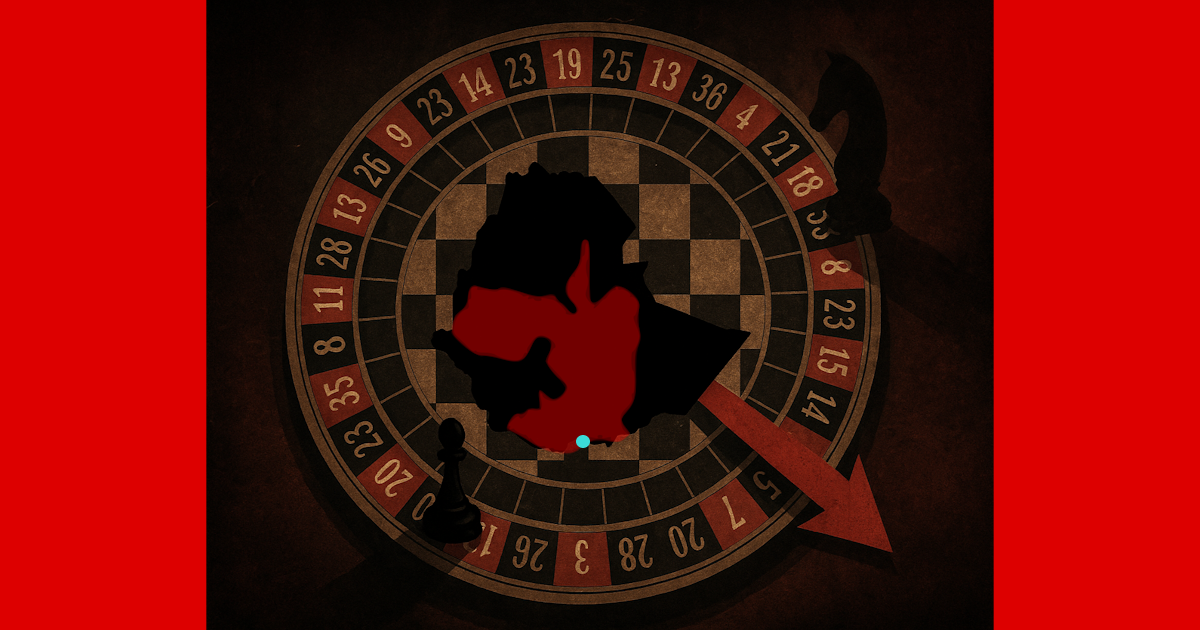
    Regression Preference Syndrome is proposed as a political-psychological framework explaining Ethiopia's recurring tendency to favor historical rollback over incremental democratic progress. Using contemporary examples from autocratic rule, internal wars, unresolved national questions, maritime access discourse, and hard-power politics, the article argues that regression often appears psychologically easier than reform. It calls for Ethiopia to reject destructive coercive approaches, embrace soft power and negotiated settlements, and pursue gradual democratic progress instead of disruptive retrogressive steps that risk repeating historical cycles.
    Read More Regression Preference Syndrome: Debunking the Regressive Tendency in Ethiopian PoliticsContinue

  • Peace Conference
    Article | Commentary | Op-Ed | Politics

    The Peace Conference Without the Other Side

    By Roobaa Hawaas (MA, Psychology) Posted on2026-04-052026-04-04

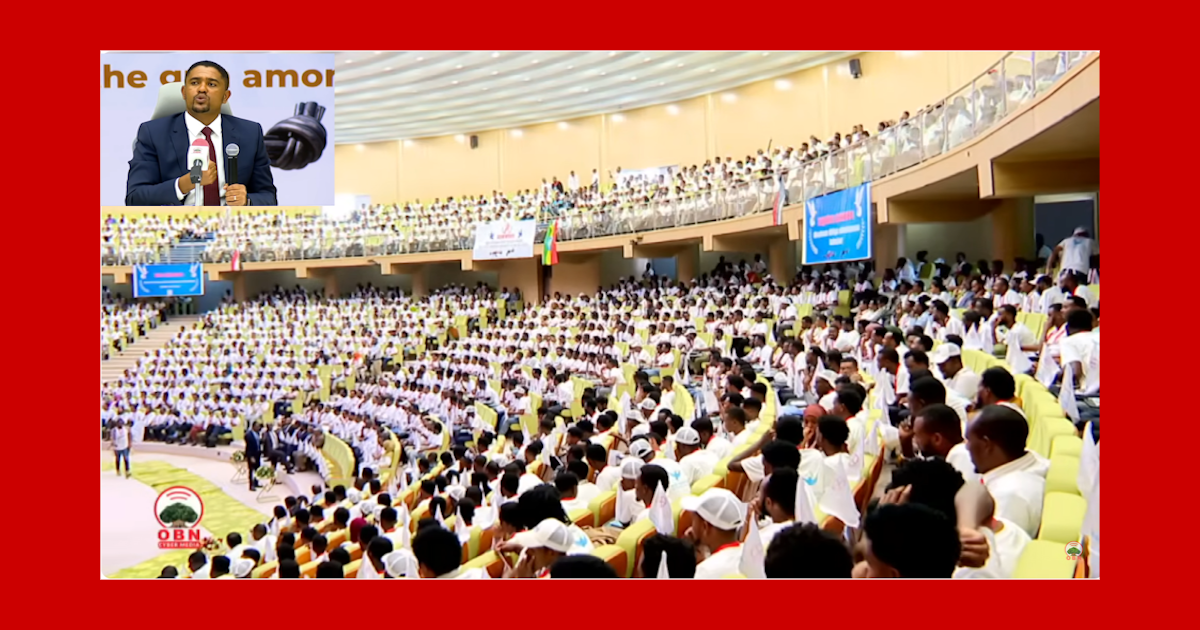
    A peace conference without the other party present is not a peace conference. It is a political performance. The recent speech by Oromia president Shimelis Abdissa and so-called peace gathering reveal a deeper political reality: peace is being used as rhetoric while politics, historical grievances, and negotiations are carefully avoided. The tragedy of the current conflict is not simply war, but the collapse of trust — and without trust, peace cannot exist.

    Read More The Peace Conference Without the Other SideContinue

  • Elite Integration
    Article | Opinion | Politics | ⏭

    Elite Integration Without Institutional ConsolidationThe Gobana Pattern and the Structural Logic of External Alignment

    By Dereje Hawas (PhD, Elec Eng) Posted on2026-03-202026-03-20

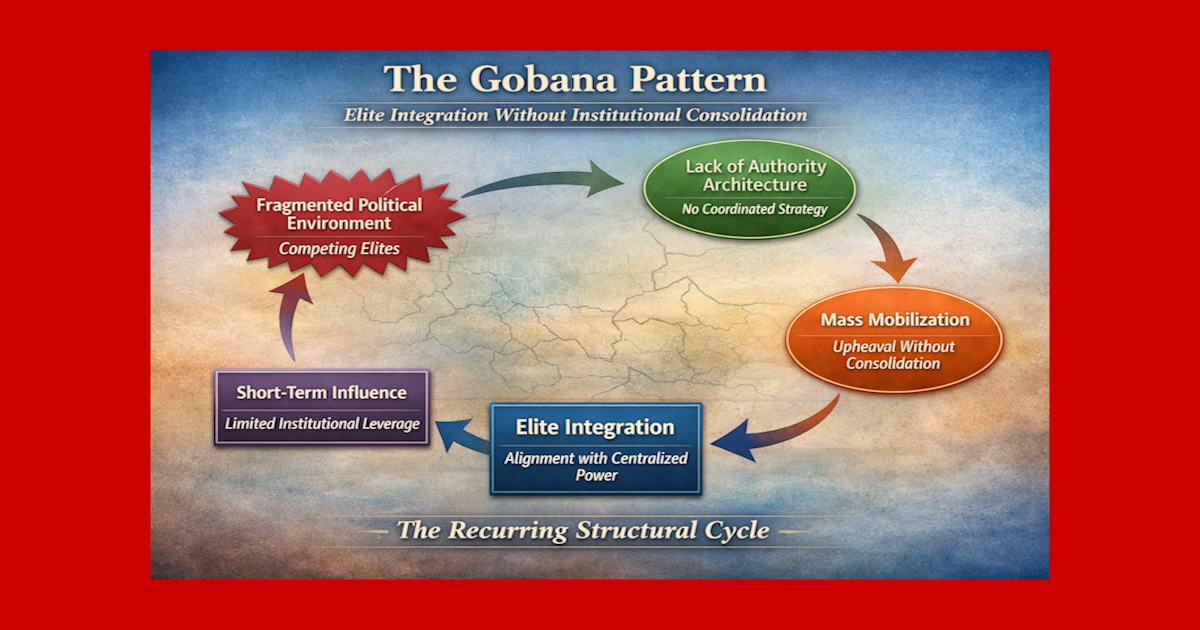
    Elite Integration has repeatedly appeared in Oromo political history as a rational response to fragmentation, weak internal authority, and expanding centralized power. This essay argues that the “Gobana Pattern” is not a story of regional betrayal or personal defect, but a recurring structural dynamic in which elites align externally when institutional consolidation is absent. It concludes a broader series on fragmentation, authority architecture, and the political consequences of mobilization without durable institutional power.

    Read More Elite Integration Without Institutional ConsolidationThe Gobana Pattern and the Structural Logic of External AlignmentContinue

  • Wallaga
    Article | Commentary | ⏭

    Wallaga and the Politics of FaçadeEight Years of Rhetoric, War, and Recalibration

    By Yadessa Guma (PhD, Anthropology) Posted on2026-02-222026-02-21
    1 Comment

    Eight years after branding Wallaga as too dangerous to visit, Ethiopia’s leadership now stages high-profile tours through a region devastated by war, displacement, and militarization. This article examines how early political rhetoric securitized Wallaga, normalized extraordinary violence, and reshaped policy under the guise of reform. By tracing the arc from fabricated fear to choreographed presence, it asks a hard question: does visibility signal stabilization—or merely a recalibrated façade masking unresolved brutality?

    Read More Wallaga and the Politics of FaçadeEight Years of Rhetoric, War, and RecalibrationContinue

  • Regional War
    Article | Op-Ed | Politics | ⏭

    Oromos and the Rising Risk of Regional War: Power, Leverage, and Post-War Reality

    By Dereje Hawas (PhD, Elec Eng) Posted on2026-02-222026-02-16

    War is not decided by outrage, slogans, or population size, but by organization, internal consolidation, and clear political priorities. As tensions re-emerge in northern Ethiopia, Oromos face a strategic question: will they shape a potential regional war’s outcome, or be shaped by it? Demography and geography create leverage only when converted into disciplined coordination. The lessons of 1991 and 2018 show that mobilization without institutional capacity yields participation without authorship.

    Read More Oromos and the Rising Risk of Regional War: Power, Leverage, and Post-War RealityContinue

  • Politics of Spite
    Article | Opinion | Politics | ⏭

    The Politics of Spite—How Oromia’s Foundations Expose the Empty Ambitions of a Troubled Region

    By Elemoo Qilxuu (MA, Political Science), Kumaa Daadhii (PhD, Political History) and Olii Boran (PhD, Sociology) Posted on2025-11-122025-11-09

    Oromia now faces a widening expansionist push—driven by local opportunists, reinforced by external actors, and carried along by a region long caught up in the politics of spite that has defined the Horn. These forces promote territorial fantasies that collapse under scrutiny. The article argues that only a free, self-determined Oromia can break this cycle, restoring stability to the Horn and creating the conditions for a genuine synergy of prosperity with its neighbors.

    Read More The Politics of Spite—How Oromia’s Foundations Expose the Empty Ambitions of a Troubled RegionContinue

  • Moyale
    Editorial | ⏭

    The Sinister Dirty Game of the PP Regime with Moyale

    By OT Editorial Posted on2025-08-052025-08-04

    The Moyale annexation saga is no accident — it is the latest chapter in the OPDO/PP regime’s betrayal of Oromia. While the Somali parliament claims Oromo land, Abiy Ahmed and Shimelis Abdissa remain shamefully silent. From orchestrated ethnic tension to psychological fear-mongering, the regime is using Moyale as a pawn not only to manage narratives but also to cling to power ahead of the 2026 elections. But the Oromo people are no longer fooled. The betrayal is exposed. And Oromia is no longer silent.

    Read More The Sinister Dirty Game of the PP Regime with MoyaleContinue

Archives

Recent Posts

  • When Diplomatic Language Meets Contested Histories: A Gentle Note to the UN Secretary-General
  • W. Hundee Hurrisoo (1944–2026)Teacher, Prisoner of Conscience, Elder of Reconciliation, Keeper of Collective Memory
  • Regression Preference Syndrome: Debunking the Regressive Tendency in Ethiopian Politics
  • What Does the Demand “Remove Article 39” Really Mean?
  • In Memory of a Dear Friend, Obbo Zegeye Asfaw Abdii
  • ZEGEYE ASFAW ABDII (1941–2026): The End of an Era
  • From Trauma to Transformation: Historical Violence and the Possibility of Healing in Oromia
  • When Guardians Become Predators: A Cry from an Oromo Elder
  • Ethiopia Forward to the Past: The Politics of Nostalgia and the “Menelik Syndrome”
  • The Ethiopian Perspective Gap: Why Some Voices Sound Like Truth—and Others Like Rebuttal

Authors

Categories

Recent Comments

  • Jonny Micky on The Amhara Elite Racist Worldview: Collective Unconscious and Historical Hegemony
  • webmaster on Remembering Guyyaa Gootota Oromoo
  • ejigu etana on Remembering Guyyaa Gootota Oromoo
  • ejigu etana on Remembering Guyyaa Gootota Oromoo
  • Raba Dori on Between Water at the Margins and SurvivalEnvironmental Precarity and the Political Economy of Inequality in Oromia
Facebook X YouTube TikTok Telegram

© 2026 OROMIA TODAY

Report an Incident

Tags Cloud

Aabbuu Seeraa Aabbuu Seeraa Airport Abiy Ahmed Afan Oromo Amhara Elite Amhara Fano Caffee Oromia Calii Tuulamaa ENDC Eritrea Ethiopian Empire Faarseebulaa Fact-checking FearlessTayeDanda'a Finfinnee Gadaa Supercity Geographic Federalism GERD IMF Indigenous Oromo Indigenous Rights Irreechaa July 2024 Macroeconomic Policy Math Meets PP Myth MMPPM Moyale Multinational Federalism OLA OLF OLF-OLA OPDO/PP Oromia Oromo Questions Oromo Struggle Oromummaa PP Regime PP Regime Brutality Remembrance Safuu Self-Determination Shimelis Abdissa Somali Region Taye Danda'a TPLF Tribute
OROMIA TODAY
Manage Consent
To provide the best experiences, we use technologies like cookies to store and/or access device information. Consenting to these technologies will allow us to process data such as browsing behavior or unique IDs on this site. Not consenting or withdrawing consent, may adversely affect certain features and functions.
Functional Always active
The technical storage or access is strictly necessary for the legitimate purpose of enabling the use of a specific service explicitly requested by the subscriber or user, or for the sole purpose of carrying out the transmission of a communication over an electronic communications network.
Preferences
The technical storage or access is necessary for the legitimate purpose of storing preferences that are not requested by the subscriber or user.
Statistics
The technical storage or access that is used exclusively for statistical purposes. The technical storage or access that is used exclusively for anonymous statistical purposes. Without a subpoena, voluntary compliance on the part of your Internet Service Provider, or additional records from a third party, information stored or retrieved for this purpose alone cannot usually be used to identify you.
Marketing
The technical storage or access is required to create user profiles to send advertising, or to track the user on a website or across several websites for similar marketing purposes.
  • Manage options
  • Manage services
  • Manage {vendor_count} vendors
  • Read more about these purposes
View preferences
  • {title}
  • {title}
  • {title}
OROMIA TODAY
Manage Consent
To provide the best experiences, we use technologies like cookies to store and/or access device information. Consenting to these technologies will allow us to process data such as browsing behavior or unique IDs on this site. Not consenting or withdrawing consent, may adversely affect certain features and functions.
Functional Always active
The technical storage or access is strictly necessary for the legitimate purpose of enabling the use of a specific service explicitly requested by the subscriber or user, or for the sole purpose of carrying out the transmission of a communication over an electronic communications network.
Preferences
The technical storage or access is necessary for the legitimate purpose of storing preferences that are not requested by the subscriber or user.
Statistics
The technical storage or access that is used exclusively for statistical purposes. The technical storage or access that is used exclusively for anonymous statistical purposes. Without a subpoena, voluntary compliance on the part of your Internet Service Provider, or additional records from a third party, information stored or retrieved for this purpose alone cannot usually be used to identify you.
Marketing
The technical storage or access is required to create user profiles to send advertising, or to track the user on a website or across several websites for similar marketing purposes.
  • Manage options
  • Manage services
  • Manage {vendor_count} vendors
  • Read more about these purposes
View preferences
  • {title}
  • {title}
  • {title}
Scroll to top
  • Home
  • Articles
  • Editorial
  • News
  • Opinions
  • About
  • Contact
Search