Skip to content
OROMIA TODAY

OROMIA TODAY

Oromia is a Country

BAKKALCHA OROMIYAA
  • Home
  • Articles
  • Editorial
  • News
  • Opinions
  • About
  • Contact
OROMIA TODAY
OROMIA TODAY
Oromia is a Country
BAKKALCHA OROMIYAA
  • Article 39
    Article | Op-Ed | Politics

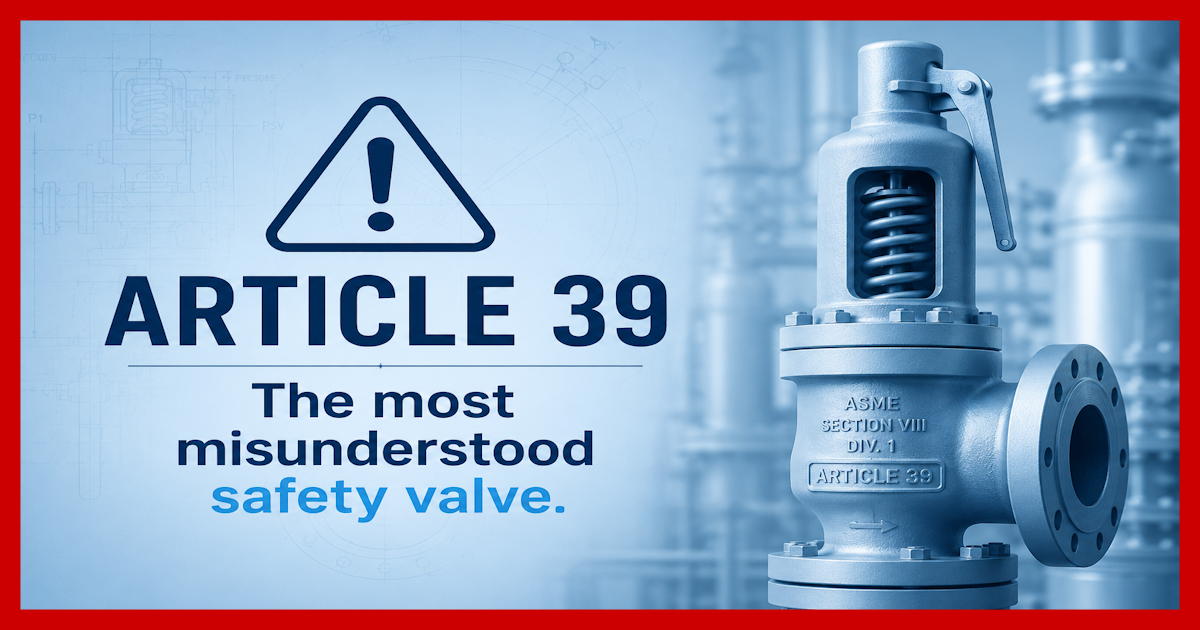
    What Does the Demand “Remove Article 39” Really Mean?

    By OT Editorial Posted on2026-05-152026-05-15

    Article 39 of the Ethiopian Constitution is often portrayed as a threat to national unity, but its deeper purpose is widely misunderstood. Far from encouraging separation, Article 39 functions as a constitutional safety valve that guarantees coexistence by consent rather than coercion. This article explores why the demand to remove Article 39 alarms many nations and peoples, the political psychology behind self-determination, and how abolishing constitutional guarantees could unintentionally weaken the very unity its opponents claim to defend.
    Read More What Does the Demand “Remove Article 39” Really Mean?Continue

  • Trauma
    Article | Epigenetics | Politics | Psychosociology | Social Psychology | Sociopolitical

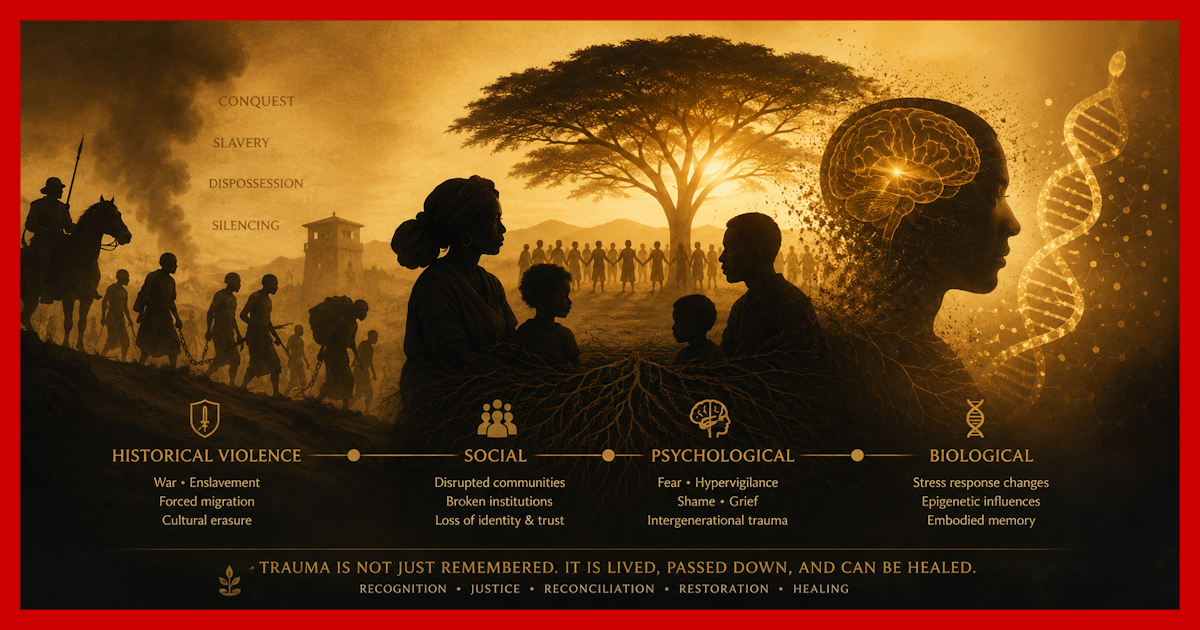
    From Trauma to Transformation: Historical Violence and the Possibility of Healing in Oromia

    By Yadessa Guma (PhD, Anthropology) Posted on2026-05-062026-05-05

    From conquest and slavery to modern conflict and insecurity, this article explores how historical violence continues to shape Oromia across generations socially, psychologically, and potentially biologically. Drawing on trauma studies, epigenetics, post-conflict research, and anti-colonial thought, it argues that lasting peace requires more than political change. Recognition, justice, cultural restoration, reconciliation, and healing are essential to breaking cycles of trauma and building a more stable and humane future.

    Read More From Trauma to Transformation: Historical Violence and the Possibility of Healing in OromiaContinue

  • EZEMA
    Op-Ed | Politics | ⏭

    EZEMA’s Four “Core Problems of Ethiopia”: A Diagnosis Without Literacy of Ethiopian History

    By Biqila Bariso (PhD, Physics; MSc, Cognitive Sci.) Posted on2025-12-132025-12-10
    1 Comment

    EZEMA claims Ethiopia faces four fundamental problems, but its diagnosis reveals profound political illiteracy. By blaming the EPRDF for an “ethnic problem” and proposing the absurd abolition of ethnic politics, EZEMA misreads Ethiopia’s history, structure, and lived realities. This article exposes why EZEMA’s worldview collapses under scrutiny — from sovereignty and rights to poverty and national narrative — and why Ethiopia’s future cannot be grounded in such conceptual blindness.

    Read More EZEMA’s Four “Core Problems of Ethiopia”: A Diagnosis Without Literacy of Ethiopian HistoryContinue

  • First Principles
    Op-Ed | Politics | ⏭

    The First Principles Violated: The Simple Truth Behind a Century of Ethiopian Instability

    By Biqila Bariso (PhD, Physics; MSc, Cognitive Sci.) Posted on2025-12-112025-12-11

    Politics remains the only profession where immense power requires no mastery of first principles, and nowhere is this more destructive than in Ethiopia. Identity is reshaped, consent bypassed, and self-determination denied—violations that predictably produce rebellion, collapse, and endless conflict. This article distills the political laws of stability Ethiopia keeps defying, and shows why stability, peace, and development will remain elusive until its leaders embrace these foundational truths. It ends with a postscript message to the Ethiopian National Dialogue Commission (ENDC), warning it against repeating the foundational violations at the root of Ethiopia’s instability.

    Read More The First Principles Violated: The Simple Truth Behind a Century of Ethiopian InstabilityContinue

  • Oromo self-determination
    Op-Ed | Opinion | ⏭

    Why Oromia’s Future Demands Clarity: Independence vs. “Democritizing Ethiopia”

    By Yadessa Guma (PhD, Anthropology) Posted on2025-11-242025-11-24

    This article examines the evolving debate over Oromo self-determination any time soon, contrasting the independence path with the argument for democratizing Ethiopia’s federation. Grounded in constitutional analysis, human rights reporting, security trends, and long-term governance patterns, it evaluates which option aligns with the lived realities in Oromia today. The evidence increasingly challenges assumptions about a reformable Ethiopian state, raising critical questions about whether a monitored Article 39 referendum is now the most credible way to resolve the Oromo self-determination question.

    Read More Why Oromia’s Future Demands Clarity: Independence vs. “Democritizing Ethiopia”Continue

Archives

Recent Posts

  • Regression Preference Syndrome: Debunking the Regressive Tendency in Ethiopian Politics
  • What Does the Demand “Remove Article 39” Really Mean?
  • In Memory of a Dear Friend, Obbo Zegeye Asfaw Abdii
  • ZEGEYE ASFAW ABDII (1941–2026): The End of an Era
  • From Trauma to Transformation: Historical Violence and the Possibility of Healing in Oromia
  • When Guardians Become Predators: A Cry from an Oromo Elder
  • Ethiopia Forward to the Past: The Politics of Nostalgia and the “Menelik Syndrome”
  • The Ethiopian Perspective Gap: Why Some Voices Sound Like Truth—and Others Like Rebuttal
  • One Song, Five Messages
  • Cui Bono? The Political Economy of Conflict and the Oromo Question

Authors

Categories

Recent Comments

  • Jonny Micky on The Amhara Elite Racist Worldview: Collective Unconscious and Historical Hegemony
  • webmaster on Remembering Guyyaa Gootota Oromoo
  • ejigu etana on Remembering Guyyaa Gootota Oromoo
  • ejigu etana on Remembering Guyyaa Gootota Oromoo
  • Raba Dori on Between Water at the Margins and SurvivalEnvironmental Precarity and the Political Economy of Inequality in Oromia
Facebook X YouTube TikTok Telegram

© 2026 OROMIA TODAY

Report an Incident

Tags Cloud

3000-Year Myth Aabbuu Seeraa Aabbuu Seeraa Airport Abiy Ahmed Afan Oromo Amhara Elite Amhara Fano Caffee Oromia Calii Tuulamaa ENDC Eritrea Ethiopian Empire Faarseebulaa Fact-checking FearlessTayeDanda'a Finfinnee Gadaa Supercity Geographic Federalism GERD History & Memory IMF Indigenous Rights Irreechaa July 2024 Macroeconomic Policy Math Meets PP Myth MMPPM Moyale Multinational Federalism OLA OLF OLF-OLA OPDO/PP Oromia Oromo Questions Oromo Struggle Oromummaa PP Regime Remembrance Safuu Shimelis Abdissa Somali Region Taye Danda'a Tigray War TPLF Tribute
OROMIA TODAY
Manage Consent
To provide the best experiences, we use technologies like cookies to store and/or access device information. Consenting to these technologies will allow us to process data such as browsing behavior or unique IDs on this site. Not consenting or withdrawing consent, may adversely affect certain features and functions.
Functional Always active
The technical storage or access is strictly necessary for the legitimate purpose of enabling the use of a specific service explicitly requested by the subscriber or user, or for the sole purpose of carrying out the transmission of a communication over an electronic communications network.
Preferences
The technical storage or access is necessary for the legitimate purpose of storing preferences that are not requested by the subscriber or user.
Statistics
The technical storage or access that is used exclusively for statistical purposes. The technical storage or access that is used exclusively for anonymous statistical purposes. Without a subpoena, voluntary compliance on the part of your Internet Service Provider, or additional records from a third party, information stored or retrieved for this purpose alone cannot usually be used to identify you.
Marketing
The technical storage or access is required to create user profiles to send advertising, or to track the user on a website or across several websites for similar marketing purposes.
  • Manage options
  • Manage services
  • Manage {vendor_count} vendors
  • Read more about these purposes
View preferences
  • {title}
  • {title}
  • {title}
OROMIA TODAY
Manage Consent
To provide the best experiences, we use technologies like cookies to store and/or access device information. Consenting to these technologies will allow us to process data such as browsing behavior or unique IDs on this site. Not consenting or withdrawing consent, may adversely affect certain features and functions.
Functional Always active
The technical storage or access is strictly necessary for the legitimate purpose of enabling the use of a specific service explicitly requested by the subscriber or user, or for the sole purpose of carrying out the transmission of a communication over an electronic communications network.
Preferences
The technical storage or access is necessary for the legitimate purpose of storing preferences that are not requested by the subscriber or user.
Statistics
The technical storage or access that is used exclusively for statistical purposes. The technical storage or access that is used exclusively for anonymous statistical purposes. Without a subpoena, voluntary compliance on the part of your Internet Service Provider, or additional records from a third party, information stored or retrieved for this purpose alone cannot usually be used to identify you.
Marketing
The technical storage or access is required to create user profiles to send advertising, or to track the user on a website or across several websites for similar marketing purposes.
  • Manage options
  • Manage services
  • Manage {vendor_count} vendors
  • Read more about these purposes
View preferences
  • {title}
  • {title}
  • {title}
Scroll to top
  • Home
  • Articles
  • Editorial
  • News
  • Opinions
  • About
  • Contact
Search