
Between Water at the Margins and Survival Environmental Precarity and the Political Economy of Inequality in Oromia

Excerpt
This article examines a troubling visual and empirical phenomenon: images circulating of Oromo women in the Rift Valley of Oromia risking life and health to fetch water for their families. Understanding this image demands situating it within the broader environmental distress (drought and water scarcity) in southern and eastern Oromia, the pervasive rural poverty that structures everyday life, and the stark contrast with development and economic dynamism in Finfinnee. Using mixed methods—qualitative visual analysis and synthesis of secondary data—we trace the structural causes and propose integrative solutions that move beyond short-term humanitarian responses towards sustainable water governance, gender-sensitive livelihood support, and equitable development planning.
Introduction and Problem Statement
The composite images of Oromo women standing at the edge of a shrinking water source—jerrycans in hand, feet sinking into muddy ground—capture a moment that is at once ordinary and alarming. What appears at first glance as a routine act of rural life reveals something deeper: the daily negotiation between survival and scarcity in drought-stricken communities. These images therefore do more than document effort; they expose a pattern of systemic deprivation that links environmental stress, institutional neglect, and enduring socioeconomic inequality.
Women in rural Oromia, especially in pastoral and agro-pastoral communities, often bear the primary responsibility for procuring household water. During droughts, this responsibility becomes dangerous: long journeys on foot, carrying heavy loads, exposure to heat, and compromised safety. Reports from drought-affected regions in Ethiopia have documented similar patterns, noting that women and children may walk more than 18 miles to access water, sometimes with grave health consequences.
Therefore, this image is not isolated or incidental. It reflects environmental stress, institutional gaps, and socioeconomic inequities in rural Oromia.
This article interprets these images through qualitative visual analysis and triangulates them with humanitarian assessments, development research, and climate studies in order to situate a local observation within broader structural patterns.
Contextual Background: Drought and Water Scarcity in Oromia
Drought Intensification in Southern and Eastern Oromia
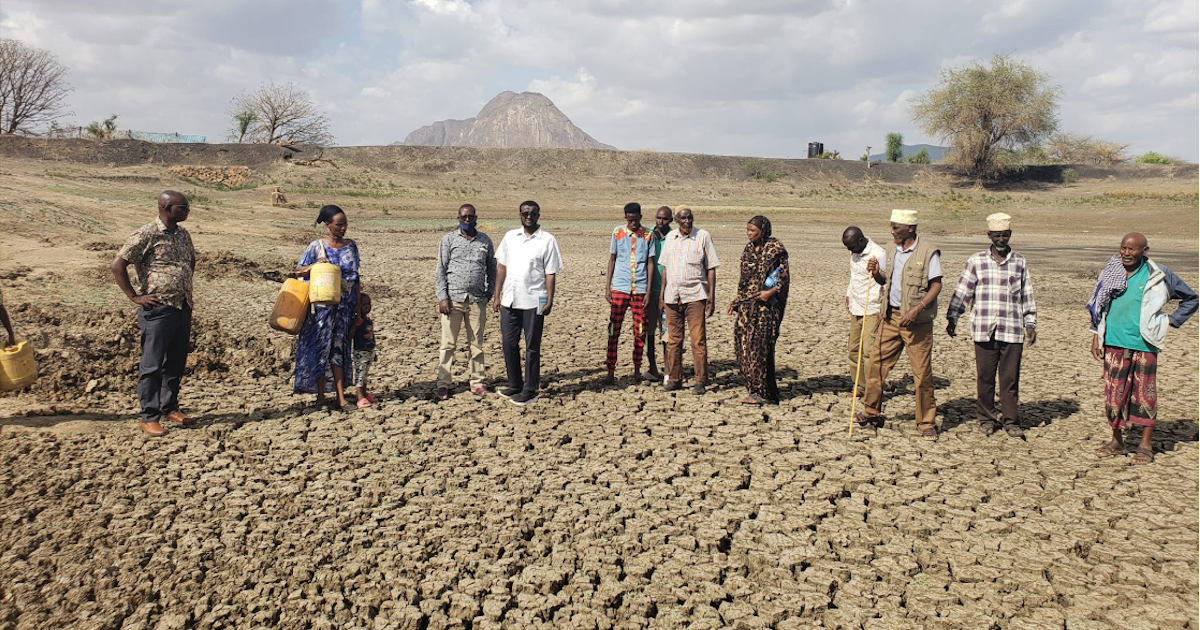
Recent reports document persistent drought conditions in key zones of Oromia, especially in south and eastern lowlands. In the Fantaallee district (East Shawa), pastoralist communities have endured an extended drought of over three months, resulting in complete lack of water and pasture and triggering migration in search of resources.
UNICEF and other humanitarian assessments show that millions in southern and eastern Oromia are facing critical water shortages, with clean water access limited and food and nutrition security deteriorating. Approximately 4.4 million people in drought-impacted areas, including Oromia, have faced water scarcity severe enough to disrupt daily life, health, and livelihoods.
Historical and scientific analyses confirm a pattern: surface and shallow water sources dry up, forcing households—particularly women—to travel long distances for potable water.
Rural Poverty, Gender Burdens, and Water Inequity
Dimensions of Rural Poverty
National evidence shows persistent rural poverty relative to urban areas in Ethiopia: while overall poverty rates have declined, progress is more limited in rural regions, where a large share of the population depends on agriculture and pastoralism.
Multidimensional poverty measures also indicate that living standards are significantly lower in rural areas, including access to basic services like water infrastructure, sanitation, and transportation.
The link between rural poverty and water insecurity is both structural and cyclical: water scarcity depresses agricultural productivity and livestock health, leading to income losses and heightening vulnerability.
Gendered Labor and Risk
In rural Ethiopia, water procurement is predominantly a female responsibility. Drought and water shortages disproportionately affect women and girls, increasing their workload, exposure to violence, and health risks, as documented in case studies across East Africa.
The visual depiction of Oromo women navigating muddy riverbanks with heavy containers aligns with broader patterns of gendered labor burdens in drought-impacted contexts.
Spatial Inequality: Rural Hardship vs. Urban Glitter
Development and Disparity
In contrast to rural hardship, Finfinnee has undergone robust economic growth, becoming a focal point of development in Ethiopia. The city’s economy contributes a significant proportion of national urban GDP and continues to attract investment in housing, infrastructure, and services.
National data shows that poverty rates declined more quickly in urban areas—including Finfinnee—than in rural regions, with stronger improvements in non-monetary indicators such as education and basic service access.
This urban–rural divide is stark: while city residents may have formal employment, better water infrastructure, and social services, rural populations contend with scarce water access, climate risks, and limited public investment.
Discussion: Structural Drivers of Water Insecurity
Water scarcity in rural Oromia cannot be understood solely as a natural phenomenon. It is shaped by overlapping structural causes:
- Climate variability and recurrent droughts, driven by global warming and local rainfall shifts.
- Insufficient rural water infrastructure, leading to reliance on shallow sources that dry up.
- Weak adaptive capacity, compounded by limited investment in resilient water systems and social protection.
- Socioeconomic marginality—low income, limited markets, low diversification—that constrains rural families’ capacity to cope financially with additional water costs.
- Ethiopia’s historically centralized imperial political economy, in which fiscal resources, infrastructure investment, and administrative power have been concentrated in the capital while rural regions such as Oromia have experienced persistent under-investment in water, transport, and social infrastructure.
These patterns can be understood, among others, through the concept of hydropolitical inequality—the uneven distribution of water access that arises not only from ecological conditions but from political, economic, and institutional arrangements that determine where infrastructure is built, whose livelihoods are prioritized, and which communities receive protection during environmental shocks. In regions such as rural Oromia, climate variability interacts with long-standing disparities in investment and governance capacity, producing a situation where water scarcity is experienced not simply as a natural hazard but as a manifestation of unequal development.
Policy Recommendations and Strategic Interventions
Addressing water insecurity and structural inequality in Oromia requires integrated, long-term policy responses rather than short-term humanitarian relief. The following recommendations outline a comprehensive framework for sustainable change.
Expansion and Maintenance of Sustainable Water Infrastructure
Invest in community-managed, solar-powered boreholes and deep groundwater systems, prioritizing districts experiencing recurrent drought. Empirical evidence demonstrates that such interventions significantly improve safe water access and strengthen local resilience.
Promote rainwater harvesting technologies and small-scale dam systems to buffer seasonal variability and reduce dependence on fragile surface water sources.
Establish maintenance funds and local technical training programs to ensure infrastructure sustainability.
Gender-Responsive Rural Development
Implement programs designed to reduce the disproportionate burden of water collection on women, including the construction of accessible communal water points within safe proximity to households.
Develop gender-sensitive water governance frameworks that include women in decision-making structures at community and district levels.
Introduce education, health, and safety initiatives aimed at mitigating risks associated with long-distance water collection.
Integration of Climate Adaptation and Economic Planning
Support the transition to drought-resilient agricultural systems, including climate-adapted crop varieties, livestock diversification, and strategic fodder reserves.
Expand climate-smart water management systems that anticipate and prepare for recurrent drought cycles.
Align national and regional economic planning with long-term climate adaptation strategies to strengthen rural resilience.
Advancing Equitable Development
Rebalance public investment to narrow the persistent urban–rural infrastructure and service delivery gap, particularly in water, sanitation, healthcare, and education.
Strengthen decentralized economic planning to empower regional administrations and stimulate rural markets, small-scale enterprises, and value-added agricultural production.
Political Self-Determination and Structural Reform
Advocate for political arrangements that enable Oromia to exercise meaningful autonomy in shaping its economic, environmental, and development policies.
A governance framework of free and democratic republic Oromia could allow more effective utilization of regional human capital and natural resources—including water—toward poverty reduction and sustainable development.
Conclusion
The images of Oromo women struggling to secure water are not merely depictions of temporary hardship; they reveal entrenched environmental, socioeconomic, and gender-based inequalities that continue to shape life in rural Ethiopia.
The failures depicted by these scenes are not merely environmental; they are also institutional, reflecting long-standing imbalances in how resources, infrastructure investment, and development priorities are distributed within Ethiopia’s political system.
Without comprehensive reforms in water governance, rural livelihood systems, gender equity, and climate adaptation policy, such daily struggles will persist and likely intensify.
This study calls for coordinated and sustained policy interventions that prioritize rural households, address gender-specific vulnerabilities, and reduce the widening disparities between urban and rural living conditions. Ensuring reliable access to water is not simply a matter of service delivery—it is fundamental to human dignity, public health, and equitable development in Oromia and Ethiopia as a whole.
The persistence of structural inequality within Ethiopia’s state formation and political order has contributed to uneven development and enduring marginalization in regions such as Oromia. In order to address these systemic imbalances, sovereignty of Oromia remains central to achieving long-term justice, stability, and shared prosperity.
References
- Ethiopia: Drought devastates pastoralists in Fentale district, 5 March 2025, AllAfrica.
- Women and girls disproportionately affected by drought in Ethiopia, 3 July 2025, AllAfrica.
- Drought in Ethiopia: Ensuring access to water for 10,000 people, 2025, COOPI – Cooperazione Internazionale.
- Climate variability and water resource vulnerability in Ethiopia, 2020, Article 12 (9), Environmental Systems Research.
- Multidimensional poverty and inequality in Ethiopia, 2022, 162(1), Social Indicators Research, IDEAS RePEc.
- Do new permanent water supplies in the drylands help build resilience? The impacts of new boreholes on coping with drought in Ethiopia and Kenya, Overseas Development Institute (ODI).
- Drought in Ethiopia brings hardship, Oxfam America.
- Hunger skyrockets in eastern and southern Africa amidst worsening water crisis, 2025, Oxfam Australia.
- Prolonged drought pushing families in Ethiopia to the brink, UNICEF Ethiopia.
- Economy of Addis Ababa, Wikipedia.
- Ethiopia poverty assessment: Poverty has declined but inequality remains, 2015, World Bank Group.
- OT Editorial, The Abject Poverty of the Indigenous Oromo, 24 May 2025, OROMIA TODAY.


Dear Dr Dereje,
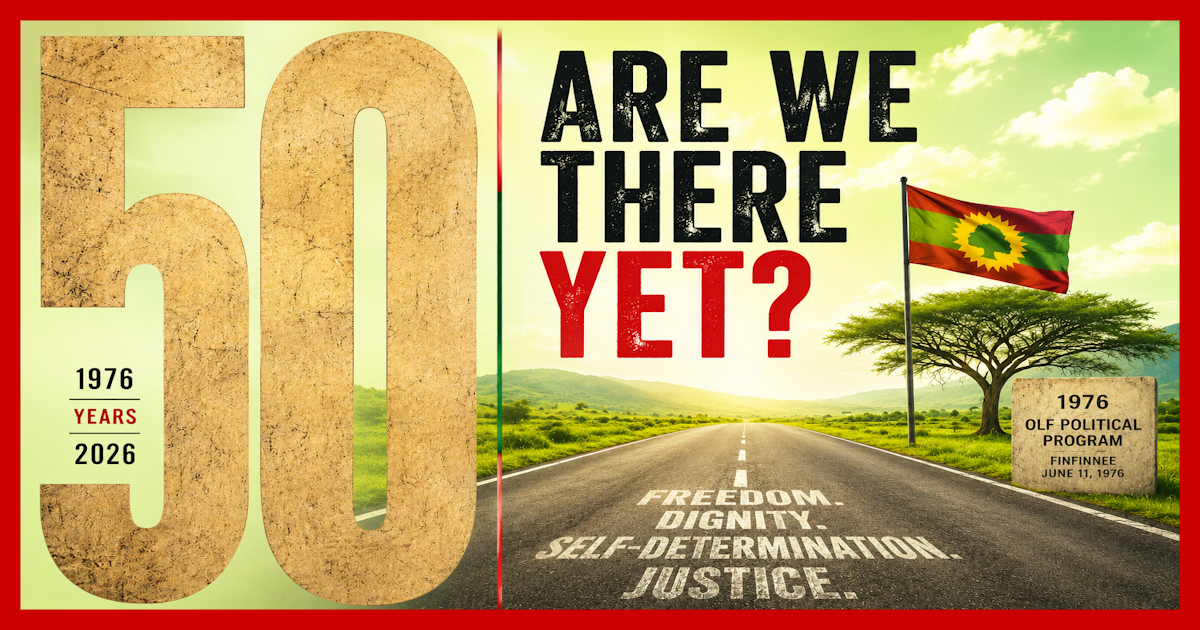
Thank you for your thoughtful comments. Indeed, everything boils down to the chronic resource extraction from Oromia with ever increasing destitution and near total destruction. Oromia has endured a century and half of colonisation. The question left is how can we turn this around? The old empire is getting more malignant by the day.
Whether we look at the economy, education, basic necessities to maintain life, politics, culture, land misappropriation, and the list goes on; one can only see social engineering and ethnic cleansing on steroid. The only logical conclusion is Oromia MUST go it alone. Leave the prison house at any cost. If not, condemn ourselves to being erased. That is not an option.
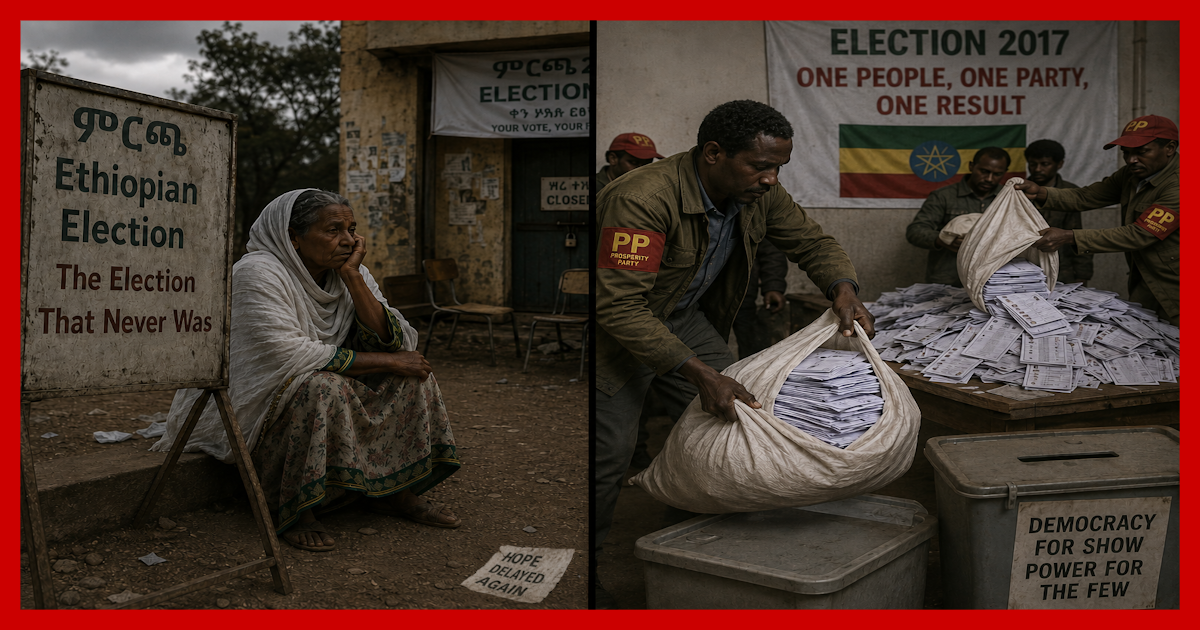
This article shows a painful reality: It reflects systemic neglect, unequal development, and political marginalization affecting rural Oromo communities.
The unequal development it describes becomes clear when we look at the government’s priorities. While many rural communities still struggle for the most basic necessities such as access to clean drinking water the state is advancing a $12.5 billion airport project on Aabbuu land designed to accommodate an additional million transit passengers in Finfinne. When development is measured by mega-projects while basic human needs remain unmet, the imbalance is impossible to ignore.
The political marginalization of Oromos is also reflected in the type of development being prioritized. It creates a double-edged reality: communities are left at the edges of survival with minimal investment in the infrastructure that would allow them to live with dignity on their ancestral land, while large projects simultaneously expand into those same lands often with primary intentions of demographic change through anti-Oromo social engineering. The problem is not development itself, but the way it is carried out. Mega-projects of this scale often require vast tracts of land, trigger rapid land reclassification, drive speculative land markets, and bring waves of new settlement tied to construction, services, and urban expansion. When local communities are not structurally included in planning, ownership, and benefit-sharing, such projects can gradually transform the demographic, economic, and cultural landscape in ways that marginalize the very people whose land made the development possible.
Development should first serve the people who live on the land. When it does not, the consequences extend beyond economics they reshape communities, identities, and the future of entire regions.