The Evolution of Horizons: Irreechaa as Reckoning and Resistance
Excerpt
Irreechaa has evolved from an ancient celebration of gratitude and renewal into a living archive of Oromo memory, resistance, sacrifice, and survival. From the crossed wrists of the Qeerroo and the tragedy of Hora Arsadii to the return to Hora Finfinnee, The Evolution of Horizons reflects on how Irreechaa continues to bind ancestral memory, contemporary struggle, and the enduring hope of renewal.
In 2015, I wrote that Irreechaa was a mode of perpetual self-creation, an aspect of performing Oromummaa, and a site of cultural nationalism acting as resistance. At the affective level, I saw it as an expression of the Oromo longing for emancipation—a way of going back in time and space to recover a pristine wholeness that would inform a redeemed future. I called it a remembrance of loss, grief, and national suffering; a celebration of survival; and an act of infinite gratitude linking Uumaa (Creator) and uumamaa (creation or nature).
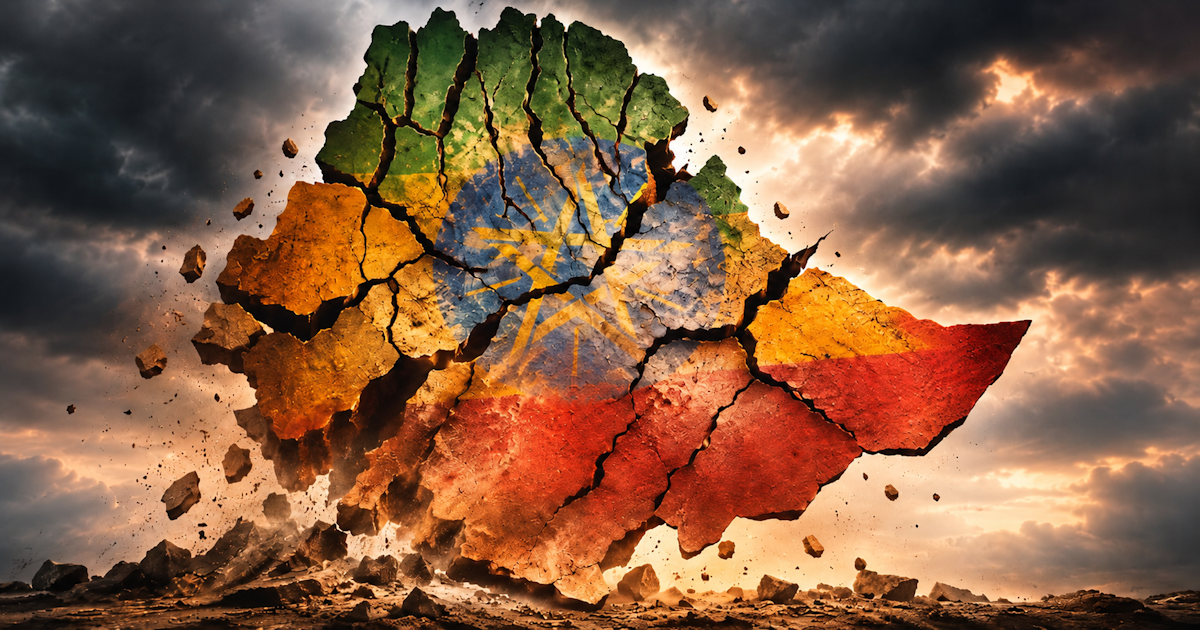
That was the horizon of our imagination in 2015. But history has since shattered and rewritten our geography of grief.
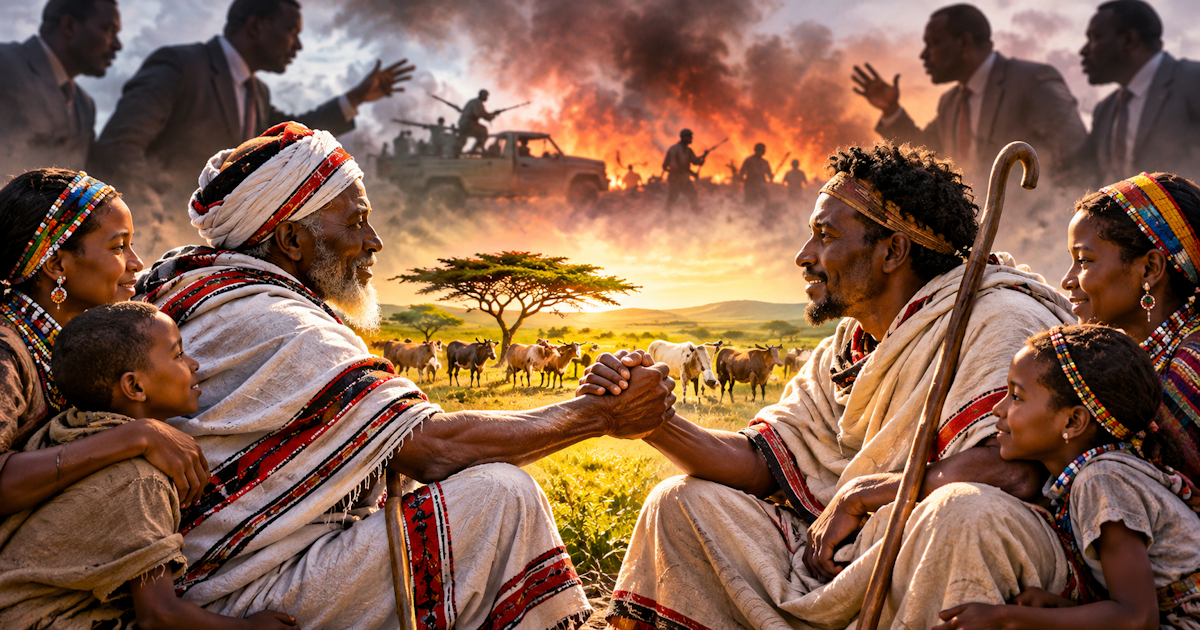
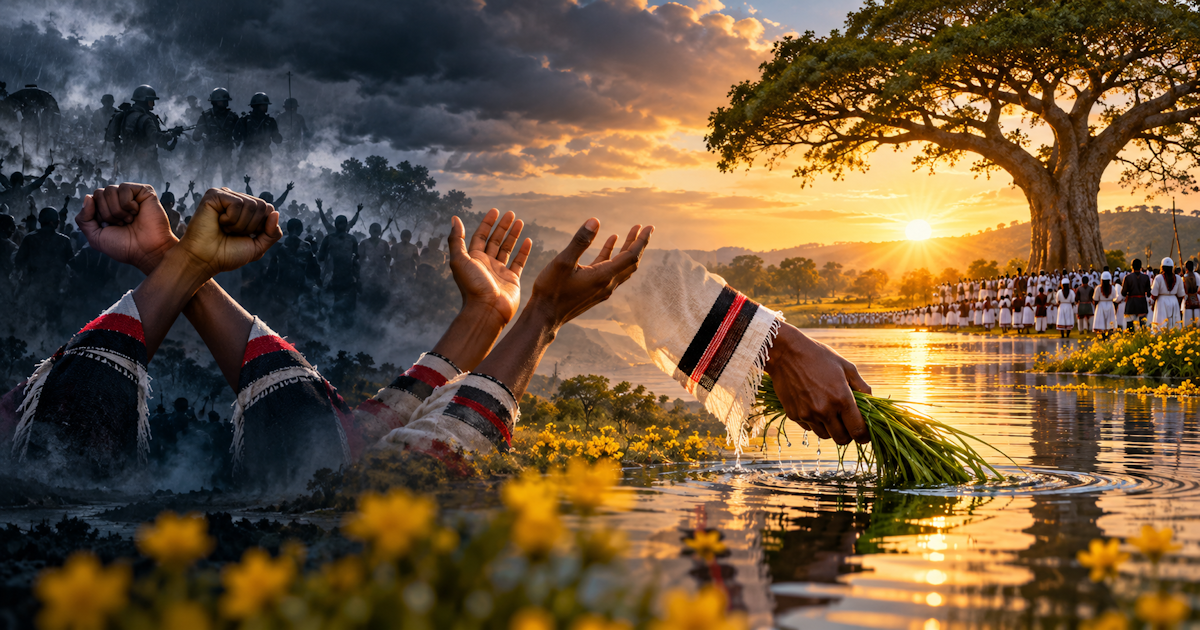
What was once an abstract reflection on national suffering became permanently anchored in the blood-stained soil of Hora Arsadii. The 2016 Irreechaa massacre¹ transformed our sacred celebration into a literal site of martyrdom. When millions of our youth, the Qeerroo, raised their crossed wrists above their heads,² they created a monumental, silent architecture of non-violent vulnerability. The state answered that architecture with bullets and tear gas, turning a festival of life into a valley of panic, suffocation, and death.
Because of this, Irreechaa is no longer merely an ancestral storehouse of ancient memory; it is also an active archive of contemporary sacrifice. Yet the trauma does not sever our connection to the divine; the ritual itself heals the fracture. We still march to the water’s edge holding coqorsa—the fresh, wet grass (jiidha). In the Oromo universe, jiidha is the ultimate medium of araaraa (reconciliation), a symbol of fertility, coolness, and unyielding peace. By dipping the coqorsa into the sacred waters, we perform a dual act of profound defiance: we thank Waaqaa for the survival of the nation, and we lay a green wreath of memory for our fallen martyrs.
This unyielding persistence has forced open gates once thought permanently locked. For over a century, our central rituals were exiled from the heart of our political geography. But the power of our collective grief reclaimed what had been taken, culminating in the historic return to Hora Finfinnee.³
This return is fundamentally a celebration of Birraa, the spring season of profound renewal, which stands in eternal philosophical contrast to Ganna, the long, treacherous winter. Ganna is the time of darkness, raging torrents, mud, and isolation. Philosophically, it represents the centuries of gabrummaa—the bleak, oppressive night of tyranny in which our voices were buried and our rights erased.
But Ganna is never permanent.
Birraa inevitably bursts forth with golden-yellow abaaboo (flowers), radiant sunshine, and fields of abundance. It is our grandest cosmic metaphor: the unyielding truth that the dark winter of tyranny must always yield to the bright spring of freedom; that the “winter of despair” must surrender its temporal space to the “spring of hope.”
Irreechaa is the precise threshold at which the Oromo nation declares that Ganna has ended and Birraa has arrived. “Baga Ganna baatan, baga Birraa geessan”—we cross from the seasonal abyss into the dawn of our rebirth.
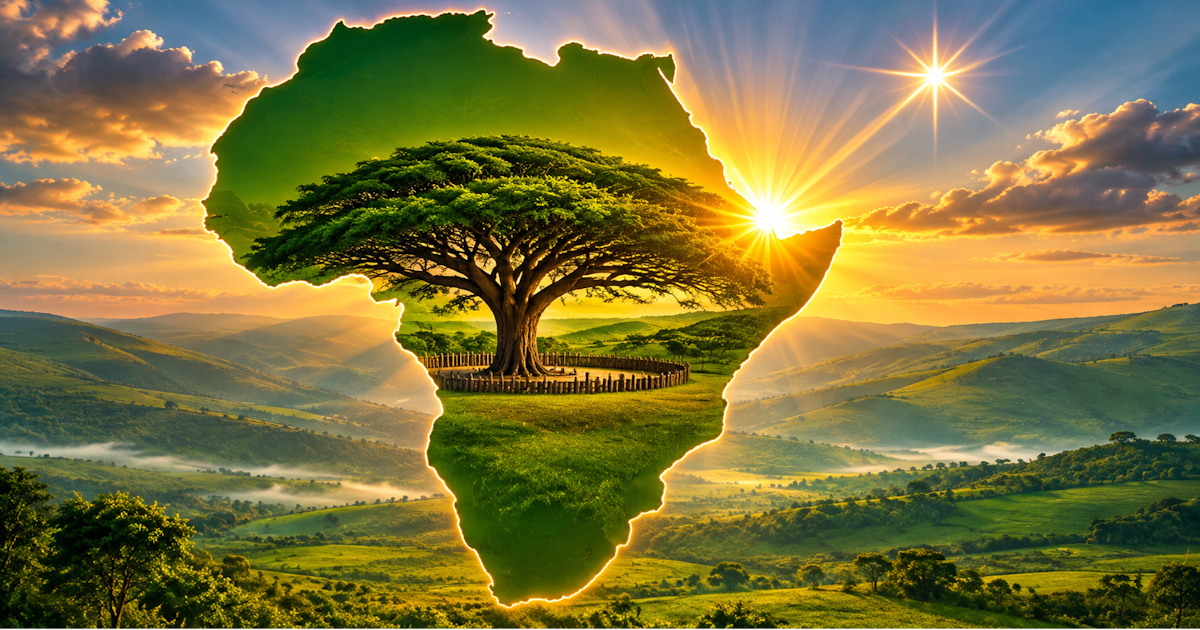
To celebrate this transition under the sacred shade of the Odaa tree—our ancient shelter of justice, law, and popular democracy—is a monumental homecoming. The Odaa is not merely a sycamore tree; it is the constitutional foundation of the Gadaa system, a living parliament representing equality, deliberation, and pluralism.⁴
Under its branches, we welcome the resurrection of the Siiqqee, the sacred staff held high by Oromo women. Far from being a mere cultural artefact, the Siiqqee represents a potent political institution of checks and balances.⁵ It embodies the moral veto of women, a legal shield against tyranny, conflict, and the abuse of power.
Together, the Odaa and the Siiqqee offer a radical alternative to the centralized, violent machinery of the modern state. They remind us that true governance is found not in bureaucratic tyranny, but in consensus, ecological harmony, gender justice, and institutional peace that safeguards the very soul of the nation.
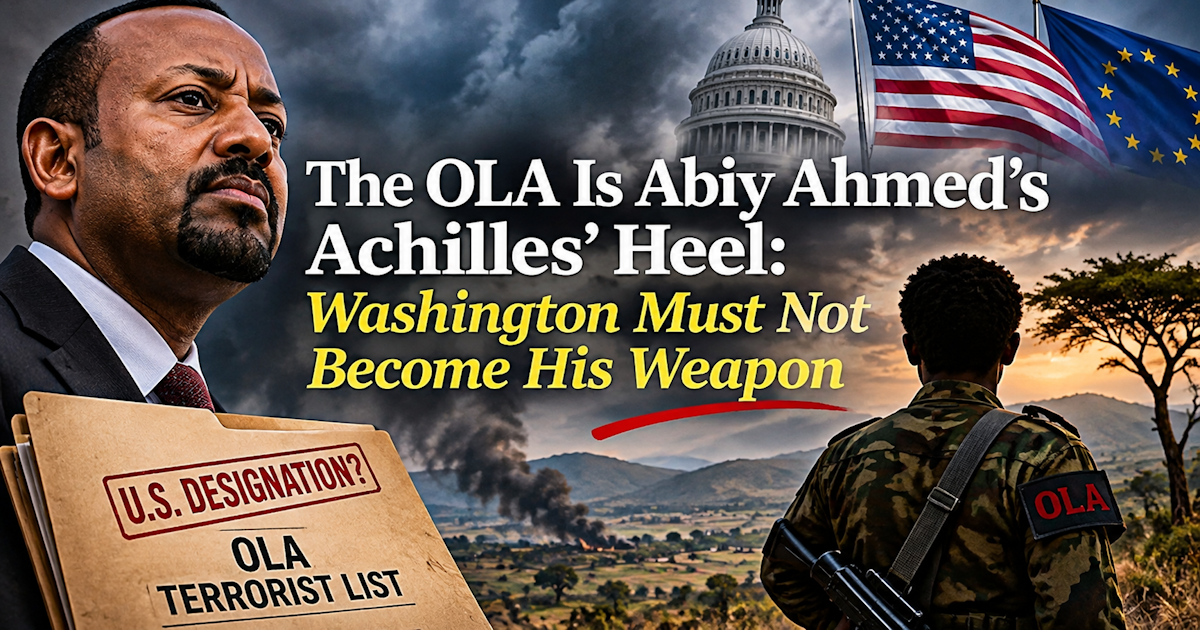
Yet our path towards this renewal has demanded a heavy historical metamorphosis. As the state’s cruelty intensified, our collective posture had to change. The crossed wrists of the Qeerroo, which pleaded for the world to look, were systematically met with execution. Faced with existential erasure, those crossed arms organically unclasped, hardened, and tightened into the clenched fists of the Oromo Liberation Army (OLA).
Where peaceful protest was met with total war, armed resistance rose as the defensive shield of the nation. The posture evolved because survival demanded it: the crossed wrists symbolized the tragedy of our vulnerability; the clenched fist commands respect for our right to exist. The transition from peaceful appeal to armed resilience is the natural political gravity of a people refusing to die in the dark.
For the Oromo Diaspora, the Irreechaa moment remains a potent performance of home in exile: an act of defiance against the dislocation of forced outmigration; a kind of “return” to the homeland; a site for re-grounding our Oromo selves. It is a moment of enacting the longing to be-long.
It is a site of both celebration—of who we are—and agony: the longing for what we would have been and the search for what we want to become. It is a moment of displaying national ecstasy and national agony. To the extent that it is an agon, it is a site of struggle, contestation, and even resistance, made infinitely more urgent by the blood spilled on the soil for which we yearn. It remains a way of becoming what we would have been.
Even when weighed down by the immense trauma of the past decade, our return to the water year after year—despite the massacres, the contemporary recasting of our history, the misrepresentation of our struggle, the distortion and commodification of our cultural symbols, political co-optation, and the shifting tides of repression—is an assertion that our joy is itself a form of warfare.
We thank Waaqaa for pulling us through the bitter winter of Ganna. We honor the ancestors and the martyrs who paid the ultimate price so that Oromummaa could live. Irreechaa remains an act of infinite gratitude, a mode of thinking as thanking, and a reminder of the need for grateful reflection as a way of life.
It is still much more than these words—or today’s celebration, or indeed all our annual celebrations—could ever say.
Baga Geessan!
Notes:
1. The 2016 Irreechaa Massacre: In October 2016, a massive crowd gathered for the annual thanksgiving festival at Hora Arsadii in Bishoftu. Security-force intervention, including the use of tear gas and gunfire, precipitated panic and a deadly stampede. Human rights groups reported that dozens to hundreds of peaceful festival-goers lost their lives, many after falling into deep ditches surrounding the festival grounds.
2. Crossed Wrists Gesture: Emerging prominently during the 2014–2018 Oromo protests led by the Qeerroo youth movement, the gesture of crossing the wrists above the head, mimicking handcuffs, became the defining global symbol of protest against political imprisonment, land dispossession, and state coercion in Ethiopia.
3. The Return to Hora Finfinnee: In October 2019, Irreechaa was officially celebrated in the heart of Finfinnee (Addis Ababa) for the first time in approximately 150 years, marking a profound symbolic and spatial reclamation of indigenous cultural heritage within the metropolis.
4. The Odaa Tree and the Gadaa System: The Odaa (sycamore) tree, standing in the caffee—the traditional assembly ground and site of deliberation—serves as a foundational center of the Gadaa system, the traditional generational system of governance of the Oromo people, based on defined terms of office, distributed institutions, deliberation, and consensus-based decision-making.
5. The Siiqqee Institution: Siiqqee is an institutional symbol of Oromo women’s authority, legal status, and social autonomy. Historically, the Siiqqee institution provided women with recognized mechanisms for collective intervention against domestic violence, social injustice, conflict, and abuses of established political and social norms.
About the Author:
Tsegaye R. Ararssa is an Oromo scholar, legal analyst, and public intellectual specializing in constitutional law/theory, human rights, and comparative federalism. His work focuses extensively on indigenous resistance, democratic renewal, and the political geography of the Horn of Africa.