Skip to content
OROMIA TODAY

OROMIA TODAY

Oromia is a Country

BAKKALCHA OROMIYAA
  • Home
  • Articles
  • Editorial
  • News
  • Opinions
  • About
  • Contact
OROMIA TODAY
OROMIA TODAY
Oromia is a Country
BAKKALCHA OROMIYAA
  • One Song
    Article | Commentary | Opinion | Politics

    One Song, Five Messages

    By Elemoo Qilxuu (MA, Political Science) Posted on2026-04-212026-04-21

    In just days, one song by Tewodros "Teddy Afro" Kassahun has ignited a firestorm—revealing not unity, but multiple Ethiopias speaking past each other. What appears as controversy is, in truth, a deeper collision of meanings shaped by power, history, identity, and memory. This article unpacks the layered messages behind the moment, exposing how one song became a prism through which a fractured empire sees itself.

    Read More One Song, Five MessagesContinue

  • Elections
    Commentary | Opinion | Politics

    Much Ado About Nothing—The Illusion of Elections in Oromia and Ethiopia

    By Kumaa Daadhii (PhD, Political History) Posted on2026-03-232026-03-23

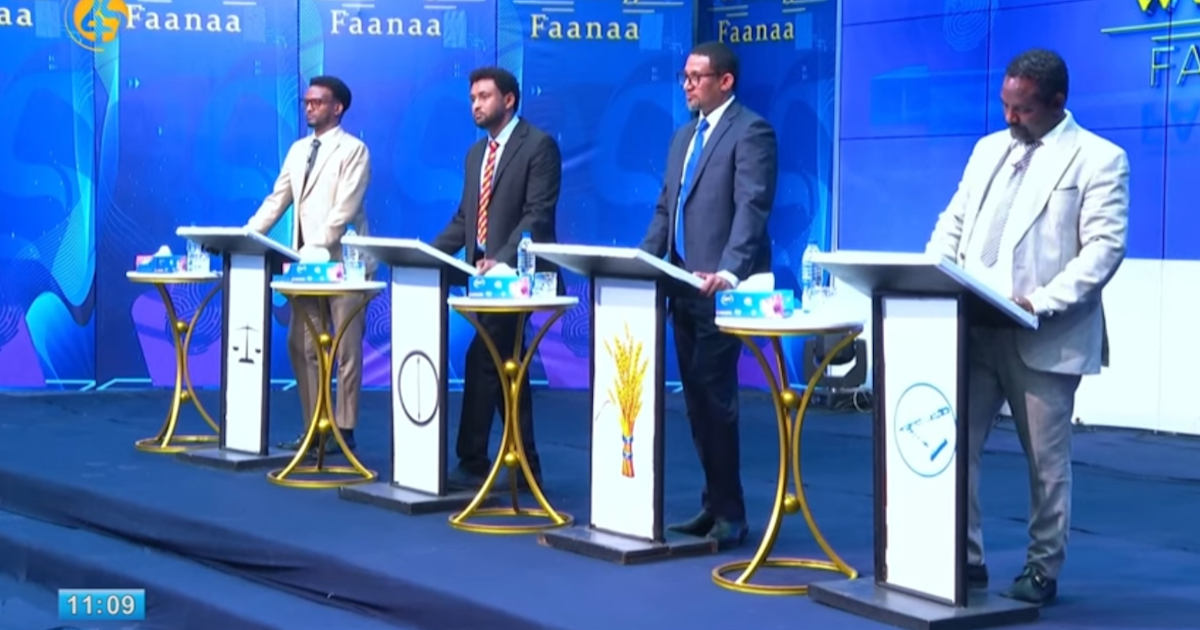
    The forthcoming Oromia and Ethiopia elections are being presented as competitive democratic contests, complete with debates, campaigns, and political messaging. Yet beneath the spectacle lies a political reality many already understand: elections that confirm power rather than contest it. But the real story may not lie in the predictable outcome. It lies on the sidelines—in the debates, the personalities, the rhetoric, and the revealing moments that quietly expose the true nature of politics in Oromia and Ethiopia today.

    Read More Much Ado About Nothing—The Illusion of Elections in Oromia and EthiopiaContinue

  • Elite Integration
    Article | Opinion | Politics | ⏭

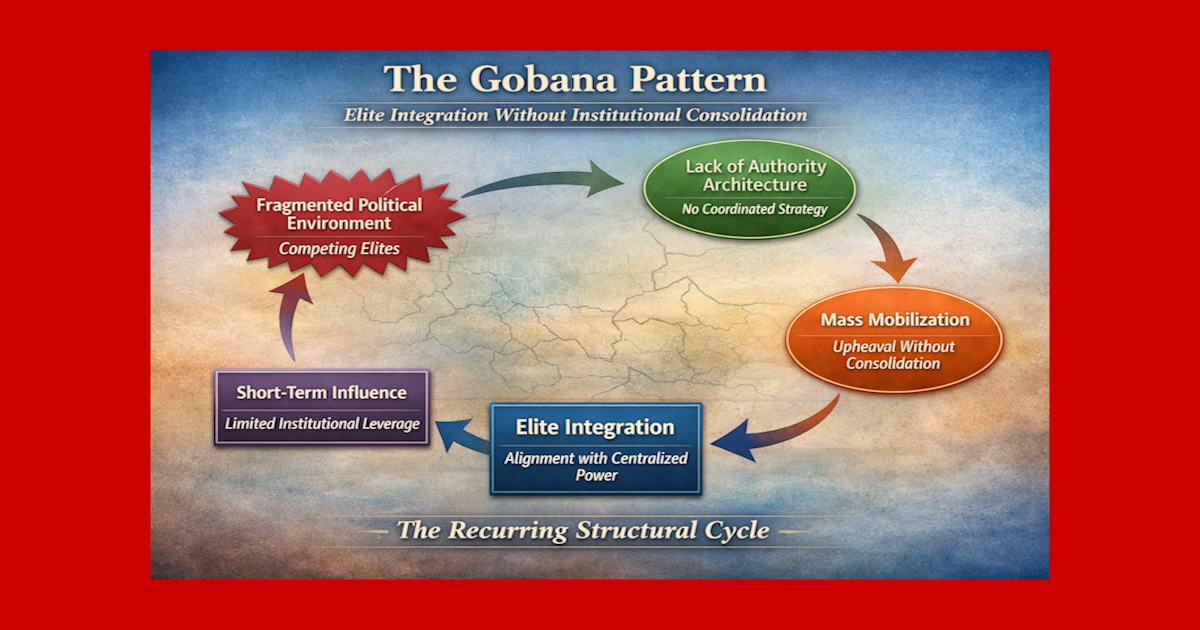
    Elite Integration Without Institutional ConsolidationThe Gobana Pattern and the Structural Logic of External Alignment

    By Dereje Hawas (PhD, Elec Eng) Posted on2026-03-202026-03-20

    Elite Integration has repeatedly appeared in Oromo political history as a rational response to fragmentation, weak internal authority, and expanding centralized power. This essay argues that the “Gobana Pattern” is not a story of regional betrayal or personal defect, but a recurring structural dynamic in which elites align externally when institutional consolidation is absent. It concludes a broader series on fragmentation, authority architecture, and the political consequences of mobilization without durable institutional power.

    Read More Elite Integration Without Institutional ConsolidationThe Gobana Pattern and the Structural Logic of External AlignmentContinue

  • Moral Asymmetry
    Commentary | Opinion | Politics

    Can Recognizing a Moral Asymmetry Bridge Ethiopia’s Worlds-Apart Historical Narratives?

    By Elemoo Qilxuu (MA, Political Science) Posted on2026-03-152026-03-14

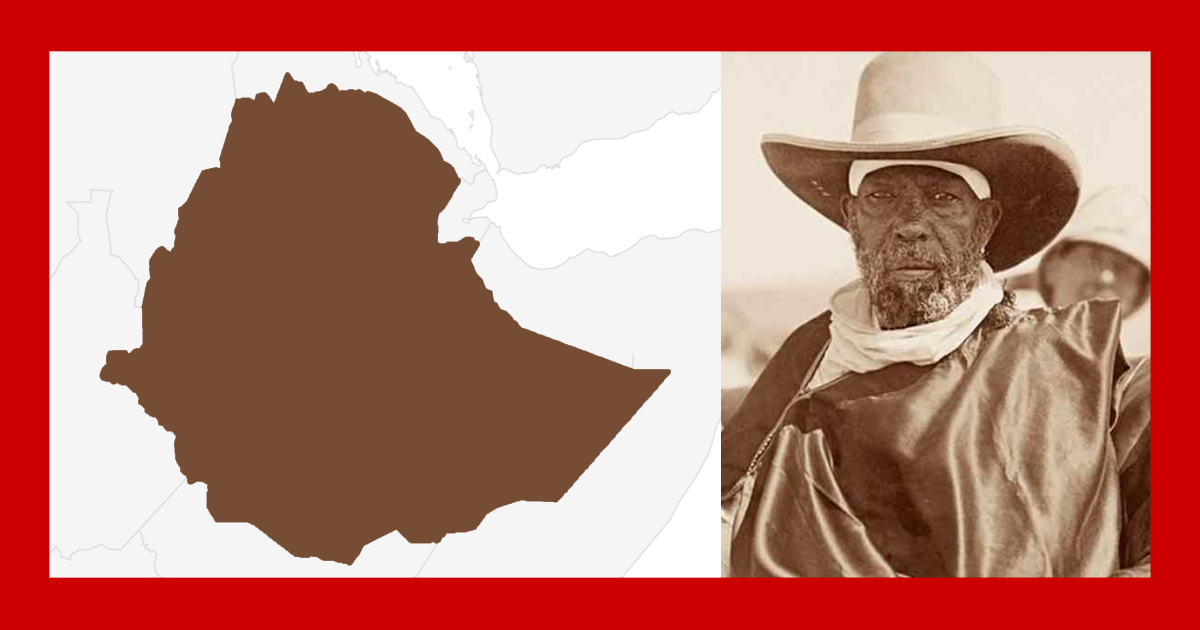
    Ethiopia’s debate over Menelik II reflects far more than disagreement about a ruler’s legacy. It reveals two historical memories occupying the same political space yet interpreting the same events in radically different ways. This essay introduces the concept of moral asymmetry—the unequal ethical weight between disputing a leader’s greatness and denying the suffering experienced by others—and explores whether acknowledging this asymmetry can help narrow Ethiopia’s deeply divided historical narratives.

    Read More Can Recognizing a Moral Asymmetry Bridge Ethiopia’s Worlds-Apart Historical Narratives?Continue

  • Architecture of Authority
    Article | Commentary | Opinion | Politics

    Oromos and the Architecture of AuthoritySurvival, Role Discipline, and Institutional Design

    By Dereje Hawas (PhD, Elec Eng) Posted on2026-03-102026-03-06

    Calls for unity within the Oromo political sphere have become increasingly frequent, yet unity alone does not produce strategic effectiveness. This article argues that the deeper problem is the lack of an effective architecture of authority capable of assigning roles, managing disagreement, and converting mobilization into institutional power. Drawing on the historical experience of 1991 and the 2014–2018 mobilizations, it examines why fragmentation persists and outlines the institutional design needed for durable political authority.

    Read More Oromos and the Architecture of AuthoritySurvival, Role Discipline, and Institutional DesignContinue

  • Just Cause
    Op-Ed | Opinion | Politics

    When a Just Cause Is Made to Fail: Oromo Fragmentation, Elite Proliferation, and the Cost of Permanent Politics

    By Dereje Hawas (PhD, Elec Eng) Posted on2026-02-102026-02-10

    Oromo Fragmentation is not a sign of political maturity or ideological diversity; it is the visible cost of elite proliferation detached from existential survival. As land is taken and communities are displaced, the struggle splinters into competing parties, fronts, and narratives that drain energy without building power. Fragmentation shields elites from accountability while leaving ordinary Oromos without leverage, unity, or an effective defense against dispossession and erasure. This op-ed argues that moral unanimity must precede politics if a just cause is to survive.

    Read More When a Just Cause Is Made to Fail: Oromo Fragmentation, Elite Proliferation, and the Cost of Permanent PoliticsContinue

  • Lying
    Article | Op-Ed | Opinion | Politics | ⏭

    The Policy of Lying: How Power Is Sustained by Fabrication

    By Elemoo Qilxuu (MA, Political Science) and Roobaa Hawaas (MA, Psychology) Posted on2026-02-062026-02-05

    Ethiopia has crossed a moral and political threshold. Lying is no longer an occasional deviation but a governing method. From the fabricated pretext of the Tigray war to the attempted rewriting of Eritrea’s role—publicly rebutted by Gedu Andargachew—the pattern is unmistakable. When power substitutes for truth, institutions collapse, Parliament applauds falsehood, and citizens are conditioned to accept governance without reality. This is not political spin; it is rule by fabrication.

    Read More The Policy of Lying: How Power Is Sustained by FabricationContinue

  • PP Regime
    Article | Opinion | Politics | ⏭

    The PP Regime Now Has the Accolade: No Other Ethiopian Regime Has Acted Against the Oromo People So Intensely in Such a Short Time

    By Kumaa Daadhii (PhD, Political History) and Olii Boran (PhD, Sociology) Posted on2026-02-022026-02-01
    3 Comments

    The inauguration of the Shebele Resort near Jijigaa under the PP regime of PM Abiy Ahmed is more than a development event; it is a political statement. Held without Oromo representation in an Oromo city, and amid ongoing violence in eastern Oromia, the ceremony signals the normalization of exclusion and the quiet ratification of a long-contested administrative arrangement. What was once presented as a temporary “loan” of Jijigaa has now hardened into permanent political appropriation, with profound consequences for constitutional order and regional stability.

    Read More The PP Regime Now Has the Accolade: No Other Ethiopian Regime Has Acted Against the Oromo People So Intensely in Such a Short TimeContinue

  • Lidetu Ayalew
    Article | Opinion | Politics | ⏭

    Lidetu Ayalew, Finfinnee, Oromia, Federalism, and the Perils of Principle-free Politics

    By Elemoo Qilxuu (MA, Political Science) Posted on2026-01-162026-01-15

    When politics loses its grammar, words stop meaning what they mean and power begins to masquerade as principle. In critiquing Lidetu Ayalew, this piece is not about personal disappointment but about a deeper political failure: the refusal to accept irreversible facts of federalism, Oromo self-rule, and historical reality. Denial is not argument. Semantic inversion is not moderation. And restoration politics, however eloquent, cannot substitute for credible, principled leadership.

    Read More Lidetu Ayalew, Finfinnee, Oromia, Federalism, and the Perils of Principle-free PoliticsContinue

  • Politics Lessons
    Article | Opinion | Politics | ⏭

    OROMIA TODAY – Basic Politics Lessons 101For members of political parties in general and the Prosperity Party in particular

    By Malkkaa Beenyaa (MA, Social Psychologist) Posted on2026-01-092026-01-09

    It has become increasingly clear that many party members lack even a basic understanding of the norms, limits, and responsibilities of political life. A dangerous assumption has taken root: that once a party forms a government, it automatically owns the state. This false belief is where criminality begins, now an everyday occurrence under the Prosperity Party. Written as Politics Lessons for reflection rather than insult, this article helps members identify where political participation ends and personal liability begins, concluding with Safuu as a moral anchor in public life.

    Read More OROMIA TODAY – Basic Politics Lessons 101For members of political parties in general and the Prosperity Party in particularContinue

  • Getachew Reda
    Editorial | Opinion | Politics | ⏭

    Getachew Reda and the Corrosive Politics of Ethiopia

    By OT Editorial Posted on2025-11-262025-11-25

    Getachew Reda’s dramatic shift—from accusing Abiy Ahmed of genocide in Tigray to serving within his administration and now failing to acknowledge his own words—exposes the moral decay embedded in Ethiopian politics. His reversal is not subtle; it is documented and undeniable. It reflects a system where truth is punished, dishonesty is rewarded, and individuals reshape their convictions to survive. Yet agency remains: integrity is never impossible, only costly. History will remember not the titles he held, but the truths he abandoned.

    Read More Getachew Reda and the Corrosive Politics of EthiopiaContinue

  • Oromo self-determination
    Op-Ed | Opinion | ⏭

    Why Oromia’s Future Demands Clarity: Independence vs. “Democritizing Ethiopia”

    By Yadessa Guma (PhD, Anthropology) Posted on2025-11-242025-11-24

    This article examines the evolving debate over Oromo self-determination any time soon, contrasting the independence path with the argument for democratizing Ethiopia’s federation. Grounded in constitutional analysis, human rights reporting, security trends, and long-term governance patterns, it evaluates which option aligns with the lived realities in Oromia today. The evidence increasingly challenges assumptions about a reformable Ethiopian state, raising critical questions about whether a monitored Article 39 referendum is now the most credible way to resolve the Oromo self-determination question.

    Read More Why Oromia’s Future Demands Clarity: Independence vs. “Democritizing Ethiopia”Continue

  • Politics of Spite
    Article | Opinion | Politics | ⏭

    The Politics of Spite—How Oromia’s Foundations Expose the Empty Ambitions of a Troubled Region

    By Elemoo Qilxuu (MA, Political Science), Kumaa Daadhii (PhD, Political History) and Olii Boran (PhD, Sociology) Posted on2025-11-122025-11-09

    Oromia now faces a widening expansionist push—driven by local opportunists, reinforced by external actors, and carried along by a region long caught up in the politics of spite that has defined the Horn. These forces promote territorial fantasies that collapse under scrutiny. The article argues that only a free, self-determined Oromia can break this cycle, restoring stability to the Horn and creating the conditions for a genuine synergy of prosperity with its neighbors.

    Read More The Politics of Spite—How Oromia’s Foundations Expose the Empty Ambitions of a Troubled RegionContinue

  • Opinion | Politics

    The Final Goal of Fano Led-Amhara Elites and the Resistances They May Face

    By Leemman Leeqaa Posted on2025-09-182025-09-18

    Introduction The ultimate objective of the Amhara political elite appears to be the restoration of a centralized, unitary Ethiopian state, effectively dismantling the current multinational federal arrangement and overturning the existing constitution. However, this vision is neither straightforward nor uncontested. Contrary to this centralist ambition, the diverse nations, nationalities, and peoples within the Ethiopian empire...

    Read More The Final Goal of Fano Led-Amhara Elites and the Resistances They May FaceContinue

  • Shimelis Abdissa
    Article | Opinion | Politics | ⏭

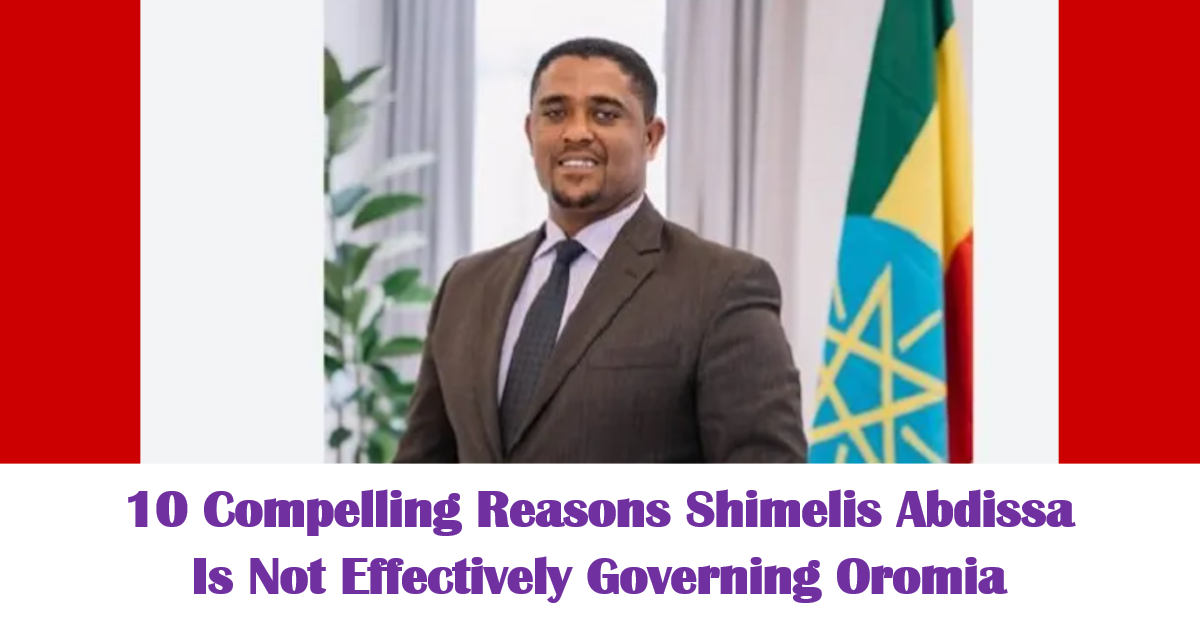
    10 Compelling Reasons Shimelis Abdissa Is Not Effectively Governing Oromia

    By Editorial Team Posted on2025-07-302025-07-29
    1 Comment

    Shimelis Abdissa, nominally President of Oromia, has become emblematic of absentee leadership and quiet complicity in the face of tragedy, dispossession, and systemic betrayal. From his silence during national mourning to his role in dismantling Oromia’s autonomy and impoverishing its people, Shimelis serves not the Oromo nation but the pro unitary Ethiopia Prosperity Party (PP) regime. While we could come up with scores of reasons, for brevity and to get this to print, we chose 10 items that speak volumes.

    Read More 10 Compelling Reasons Shimelis Abdissa Is Not Effectively Governing OromiaContinue

  • "Systematic Dispossession of Oromia"
    Opinion | Politics

    The Idea of Oromia Shall Never Be Extinguished

    By Yadessa Guma (PhD, Anthropology) Posted on2025-07-122025-07-12

    The idea of Oromia is more than a place—it's a vision of justice, dignity, and identity. Despite repression and new threats cloaked in legality, this enduring ideal lives on in Oromo resistance, culture, and memory. Now more than ever, Oromia must be defended, revived, and reimagined for the future it promises.

    Read More The Idea of Oromia Shall Never Be ExtinguishedContinue

Page navigation

1 2 3 4 Next PageNext

Archives

Recent Posts

  • Ethiopia Forward to the Past: The Politics of Nostalgia and the “Menelik Syndrome”
  • The Ethiopian Perspective Gap: Why Some Voices Sound Like Truth—and Others Like Rebuttal
  • One Song, Five Messages
  • Cui Bono? The Political Economy of Conflict and the Oromo Question
  • Ambo: Cruelty in Plain Sight — Violence, Impunity, and the Political Crisis in Oromia
  • Remembering Guyyaa Gootota Oromoo
  • Oromo Martyrs Day—April 15, 2026: Memory, Sacrifice, and the Unfinished Future of Oromia
  • The Peace Conference Without the Other Side
  • 7 Reasons Why There Can Be No Credible Electoral Process in an Empire Disintegrating Before Our Eyes
  • History Comes to the UN and Asks for a Vote

Authors

Categories

Recent Comments

  • webmaster on Remembering Guyyaa Gootota Oromoo
  • ejigu etana on Remembering Guyyaa Gootota Oromoo
  • ejigu etana on Remembering Guyyaa Gootota Oromoo
  • Raba Dori on Between Water at the Margins and SurvivalEnvironmental Precarity and the Political Economy of Inequality in Oromia
  • Dereje Hawas on Between Water at the Margins and SurvivalEnvironmental Precarity and the Political Economy of Inequality in Oromia
Facebook X YouTube TikTok Telegram

© 2026 OROMIA TODAY

Report an Incident

Tags Cloud

3000-Year Myth Aabbuu Seeraa Aabbuu Seeraa Airport Abiy Ahmed Afan Oromo Amhara Elite Amhara Fano Caffee Oromia Calii Tuulamaa ENDC Eritrea Ethiopian Empire EZEMA Faarseebulaa Fact-checking FearlessTayeDanda'a Finfinnee Gadaa Supercity GERD History & Memory IMF Indigenous Oromo Indigenous Rights Irreechaa Math Meets PP Myth MMPPM Moyale Multinational Federalism OLA OLF OLF-OLA OPDO/PP Oromia Oromo Questions Oromo Struggle Oromummaa PP Regime PP Regime Brutality Remembrance Safuu Shimelis Abdissa Somali Region Taye Danda'a TPLF Tribute
OROMIA TODAY
Manage Consent
To provide the best experiences, we use technologies like cookies to store and/or access device information. Consenting to these technologies will allow us to process data such as browsing behavior or unique IDs on this site. Not consenting or withdrawing consent, may adversely affect certain features and functions.
Functional Always active
The technical storage or access is strictly necessary for the legitimate purpose of enabling the use of a specific service explicitly requested by the subscriber or user, or for the sole purpose of carrying out the transmission of a communication over an electronic communications network.
Preferences
The technical storage or access is necessary for the legitimate purpose of storing preferences that are not requested by the subscriber or user.
Statistics
The technical storage or access that is used exclusively for statistical purposes. The technical storage or access that is used exclusively for anonymous statistical purposes. Without a subpoena, voluntary compliance on the part of your Internet Service Provider, or additional records from a third party, information stored or retrieved for this purpose alone cannot usually be used to identify you.
Marketing
The technical storage or access is required to create user profiles to send advertising, or to track the user on a website or across several websites for similar marketing purposes.
  • Manage options
  • Manage services
  • Manage {vendor_count} vendors
  • Read more about these purposes
View preferences
  • {title}
  • {title}
  • {title}
OROMIA TODAY
Manage Consent
To provide the best experiences, we use technologies like cookies to store and/or access device information. Consenting to these technologies will allow us to process data such as browsing behavior or unique IDs on this site. Not consenting or withdrawing consent, may adversely affect certain features and functions.
Functional Always active
The technical storage or access is strictly necessary for the legitimate purpose of enabling the use of a specific service explicitly requested by the subscriber or user, or for the sole purpose of carrying out the transmission of a communication over an electronic communications network.
Preferences
The technical storage or access is necessary for the legitimate purpose of storing preferences that are not requested by the subscriber or user.
Statistics
The technical storage or access that is used exclusively for statistical purposes. The technical storage or access that is used exclusively for anonymous statistical purposes. Without a subpoena, voluntary compliance on the part of your Internet Service Provider, or additional records from a third party, information stored or retrieved for this purpose alone cannot usually be used to identify you.
Marketing
The technical storage or access is required to create user profiles to send advertising, or to track the user on a website or across several websites for similar marketing purposes.
  • Manage options
  • Manage services
  • Manage {vendor_count} vendors
  • Read more about these purposes
View preferences
  • {title}
  • {title}
  • {title}
Scroll to top
  • Home
  • Articles
  • Editorial
  • News
  • Opinions
  • About
  • Contact
Search