Battee Urgeessaa Is Gone, Who Will Be Next For Koree Nageenyaa's Gestapo?
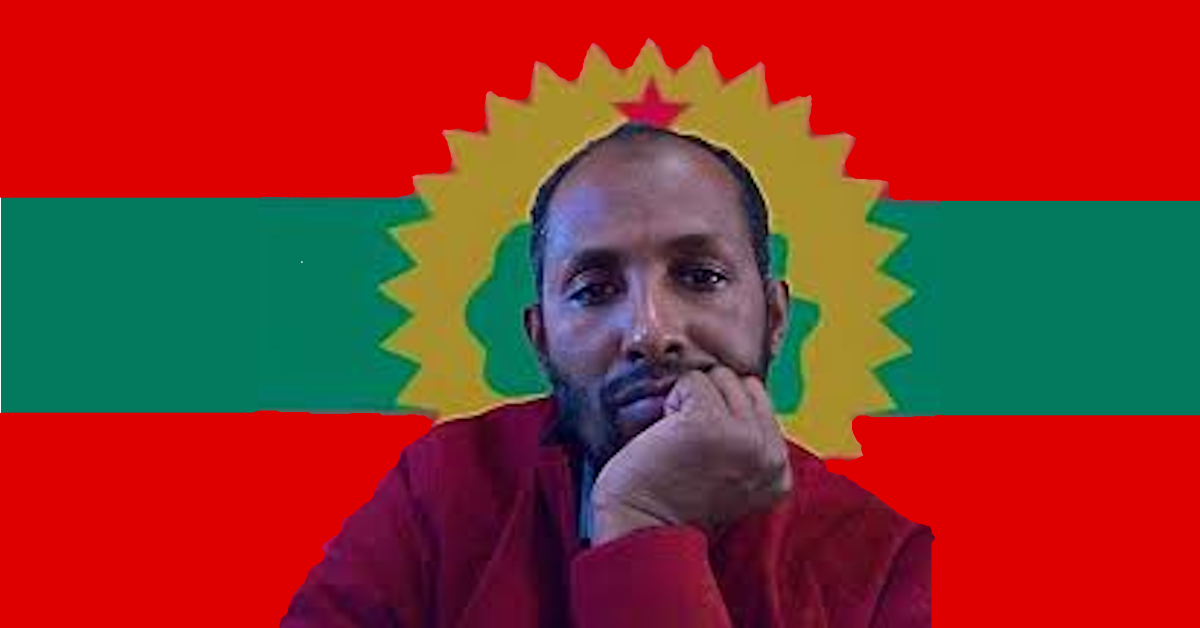
An accomplished Oromo Liberation Front (OLF) political figure was assassinated last night. His assassination was made to coincide with one of the major religious holidays, Ramadan, presumably calculated to bury the news amidst the celebratory atmosphere.
The cruelty of the Ethiopian regime is only matched by the character of the martyr, Jaal Battee Urgeessaa, renowned for his cool, calm demeanor and highly respected by friends and foes alike. He was always a peacemaker, displaying wisdom beyond his years and infinite patience, yet never hesitating to speak the truth and stand up for the Oromo people. It is beyond imagination that such a noble individual, or any human being, for that matter, could be murdered by this government and then disposed of his body in a dirt location in Maqii, his hometown.
Despite his stature as a prominent political figure with the potential to lead Oromia region, and even Ethiopia at the federal level, neither the regional nor the federal government saw fit to comment on his death beyond the casual denial of their guilt. This indifference is consistent with their response to previous atrocities, such as the killings of the 14 Abba Gaddaa Michillee elders, beloved artists Dadhii Galaan and Hacaaluu Hundeesaa, and lawyer Abdul Jabbar Hussien, just to name a few.
This is not mentioning the hundreds and thousands of yet unnamed, who were the subject of extra-judicial killings and the several thousands languishing in prison cells. All these individuals shared a common trait: they were seen as threats to the government for advocating for the rights of the Oromo people through various means, including music, legal advocacy, and media outreach.
Throughout history, from the reigns of emperors Menelik and Haile Selassie to the military junta and the EPRDF, successive Ethiopian governments have employed tactics to eliminate potential Oromo leaders. They knew it very well for this to be the most effective way to subjugate the Oromo people. The current regime, under Abiy Ahmed, has continued and even modernized this pattern by establishing the "Koree Nagenyaa" killer squad shortly after his accidental ascent to power in 2018.
Thanks to the Reuters' investigative reporting last February, we now know about the "Koree Nageenya" death squad, instituted by PM Abiy Ahmed and managed and operated by the criminal gangs of the Oromia regional administration, Shimalis Abdisa & Co, including Awel Abdo, Feqadu Tesema, Ararsa Mardasa, and so on. This death squad has effectively silenced potential Oromo leaders, incarcerated the countless Oromos now languishing in prison for years.
The collaborators posing as Oromo politicians, working alongside their Absynnian accomplices, are solely focused on retaining power, even if it means sacrificing individuals like Battee Urgeessaa, a gentle and kind soul.
They may speak Afan Oromo, but they are not truly representative of the Oromo people. The world needs to recognize this crucial fact.
The assassination of Battee Urgeessaa speaks volumes about the government's brutality rather than the character of our martyr. With Battee Urgeessaa as a reference point, we can comprehend the depths of depravity within this government, its fascist tendencies, and its ruthless pursuit of power at any cost, even, we dare say, at the expense of their own loved ones. Sometimes, they forget their own mortality.
The pressing question now is: where will the Koree Nageenyaa Gestapo strike next to eliminate another Oromo politician and publicly display their body?
Equally important is: what will it take for the Oromo people to say "enough is enough"?
Jaal Battee, we trust that history will remember you as a proud son of Oromia. It will also judge this generation on how they respond to your senseless killing by the brutal criminal gangs of the so-called regional and federal governments.
It is heartbreaking to think of your surviving spouse, your four children, and the fifth on the way. Your brief but impactful life has left an indelible mark on our memories and in the annals of Oromo history for generations to come.
Jaal Battee, rest in peace, dear comrade. You will always be remembered.
The spark you ignited will continue to shine across Oromia, from Wallo in the north to Borana in the south, and from Hararghe in the east to Wallaga in the west.