Skip to content
OROMIA TODAY

OROMIA TODAY

Oromia is a Country

BAKKALCHA OROMIYAA
  • Home
  • Articles
  • Editorial
  • News
  • Opinions
  • About
  • Contact
OROMIA TODAY
OROMIA TODAY
Oromia is a Country
BAKKALCHA OROMIYAA
  • Mono Perspective
    Article | Op-Ed | Politics | ⏭

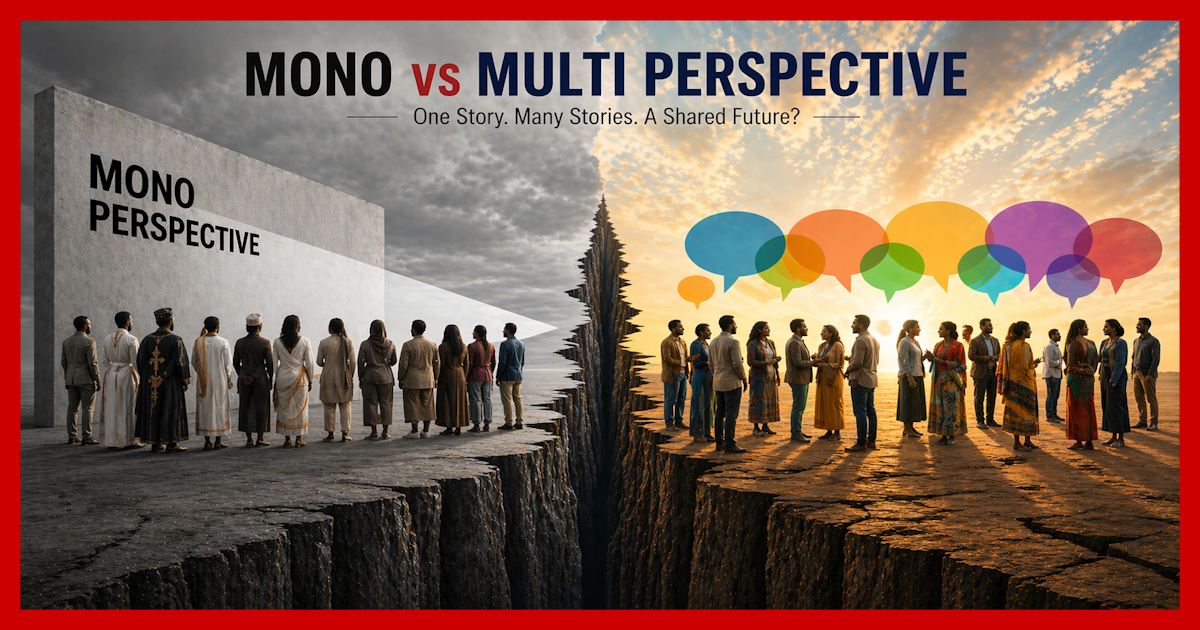
    The Ethiopian Perspective Gap: Why Some Voices Sound Like Truth—and Others Like Rebuttal

    By Roobaa Hawaas (MA, Psychology) Posted on2026-04-232026-04-22

    This op-ed explores how mono perspective sociopolitical views shape both art and politics, often presenting particular experiences as universal truths and thereby constraining meaningful dialogue. It argues that progress requires moving beyond such narrow vantage points—particularly among politicians, who are uniquely positioned to resolve complex sociopolitical issues. To do so, they must step outside mono perspective, engage competing realities with discipline, and adopt a genuinely multi-perspective approach capable of addressing long-standing tensions with clarity and fairness.

    Read More The Ethiopian Perspective Gap: Why Some Voices Sound Like Truth—and Others Like RebuttalContinue

  • Cui Bono?
    Article | Commentary | Op-Ed | Politics | ⏭

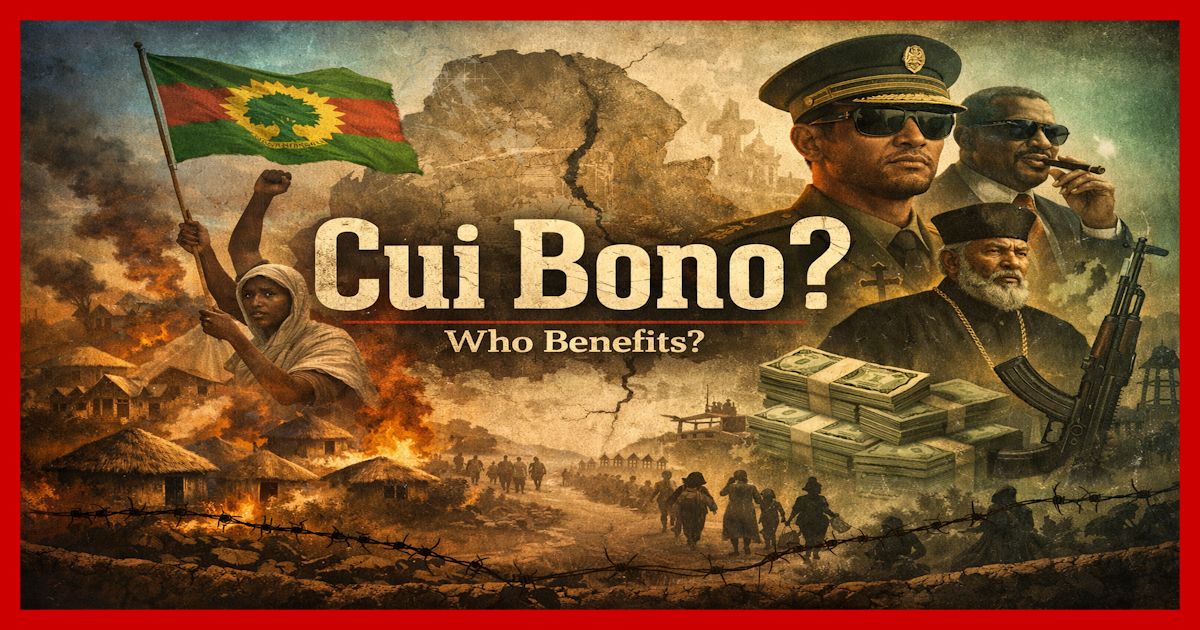
    Cui Bono? The Political Economy of Conflict and the Oromo Question

    By Yadessa Guma (PhD, Anthropology) Posted on2026-04-202026-04-19

    “Cui Bono?”—who benefits? This article applies that question to Ethiopia’s recurring cycles of conflict, arguing that instability is not accidental but structurally embedded. By centering the Oromo experience, it shows how political, military, and economic elites—historically reproduced through entrenched advantage—derive disproportionate benefit, while the broader population bears the cost. Without confronting this imbalance and the unresolved Oromo question, durable peace and equitable development will remain elusive.

    Read More Cui Bono? The Political Economy of Conflict and the Oromo QuestionContinue

  • Ambo
    Article | Community | Human Rights | Politics | ⏭

    Ambo: Cruelty in Plain Sight — Violence, Impunity, and the Political Crisis in Oromia

    By Yadessa Guma (PhD, Anthropology) Posted on2026-04-162026-04-16

    In Ambo, a shocking act of violence against young adults exposes more than individual cruelty—it reveals a growing pattern of impunity and normalized abuse across Oromia. What appears as a single incident reflects a deeper crisis, where violence is increasingly visible, accountability is absent, and fear is woven into daily life. As informal actors and unchecked forces shape events on the ground, the question is no longer whether this is isolated, but how far the pattern extends.

    Read More Ambo: Cruelty in Plain Sight — Violence, Impunity, and the Political Crisis in OromiaContinue

  • History
    Essay | Op-Ed | Politics | ⏭

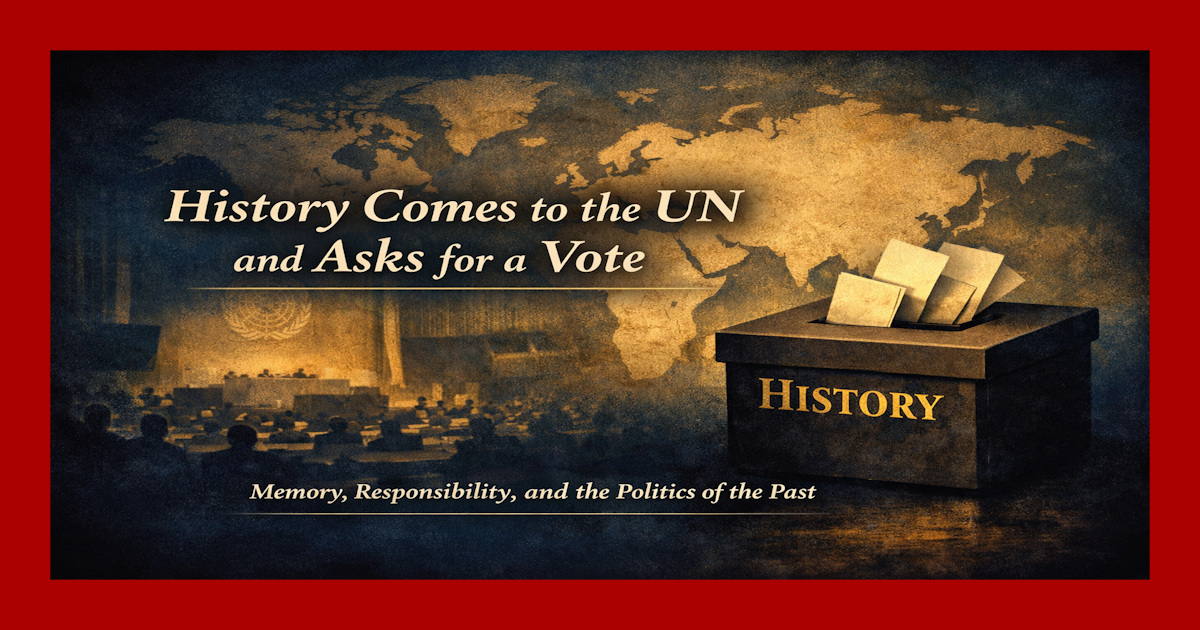
    History Comes to the UN and Asks for a Vote

    By Olii Boran (PhD, Sociology) Posted on2026-03-262026-03-25

    A United Nations vote to condemn the enslavement of Africans and the trans-Atlantic slave trade should have been morally straightforward. Instead, the voting pattern revealed something deeper about the modern world: the past is never just the past. It lives in politics, memory, and responsibility, and sometimes history returns and asks the present to respond.

    Read More History Comes to the UN and Asks for a VoteContinue

  • Elite Integration
    Article | Opinion | Politics | ⏭

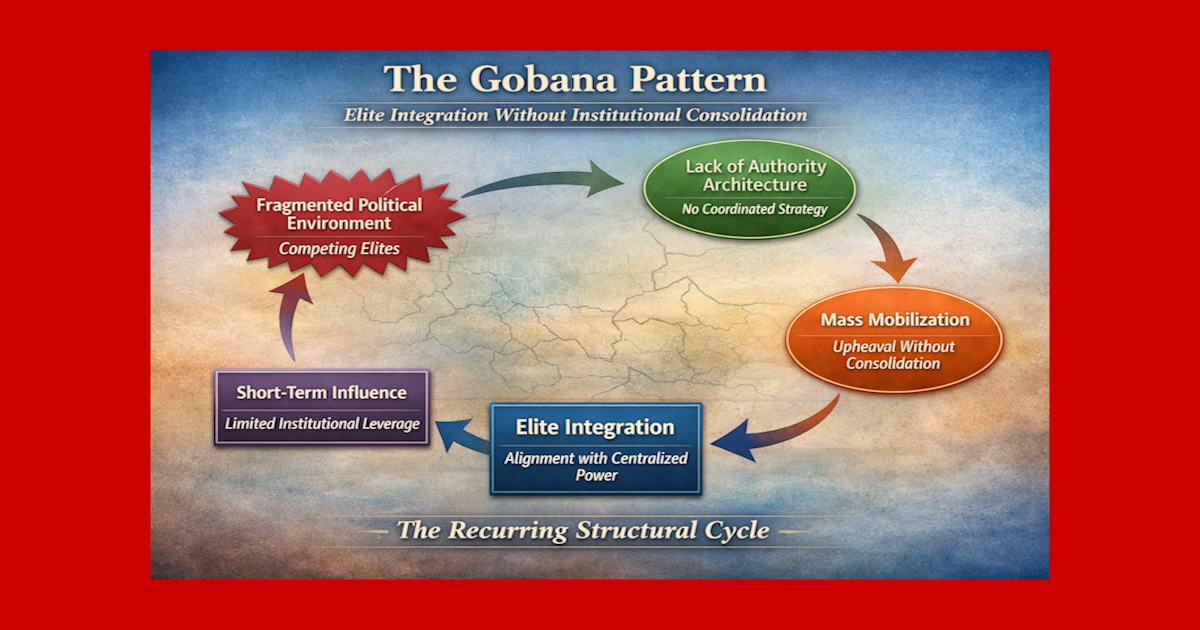
    Elite Integration Without Institutional ConsolidationThe Gobana Pattern and the Structural Logic of External Alignment

    By Dereje Hawas (PhD, Elec Eng) Posted on2026-03-202026-03-20

    Elite Integration has repeatedly appeared in Oromo political history as a rational response to fragmentation, weak internal authority, and expanding centralized power. This essay argues that the “Gobana Pattern” is not a story of regional betrayal or personal defect, but a recurring structural dynamic in which elites align externally when institutional consolidation is absent. It concludes a broader series on fragmentation, authority architecture, and the political consequences of mobilization without durable institutional power.

    Read More Elite Integration Without Institutional ConsolidationThe Gobana Pattern and the Structural Logic of External AlignmentContinue

  • History Will Judge
    Editorial | Politics | ⏭

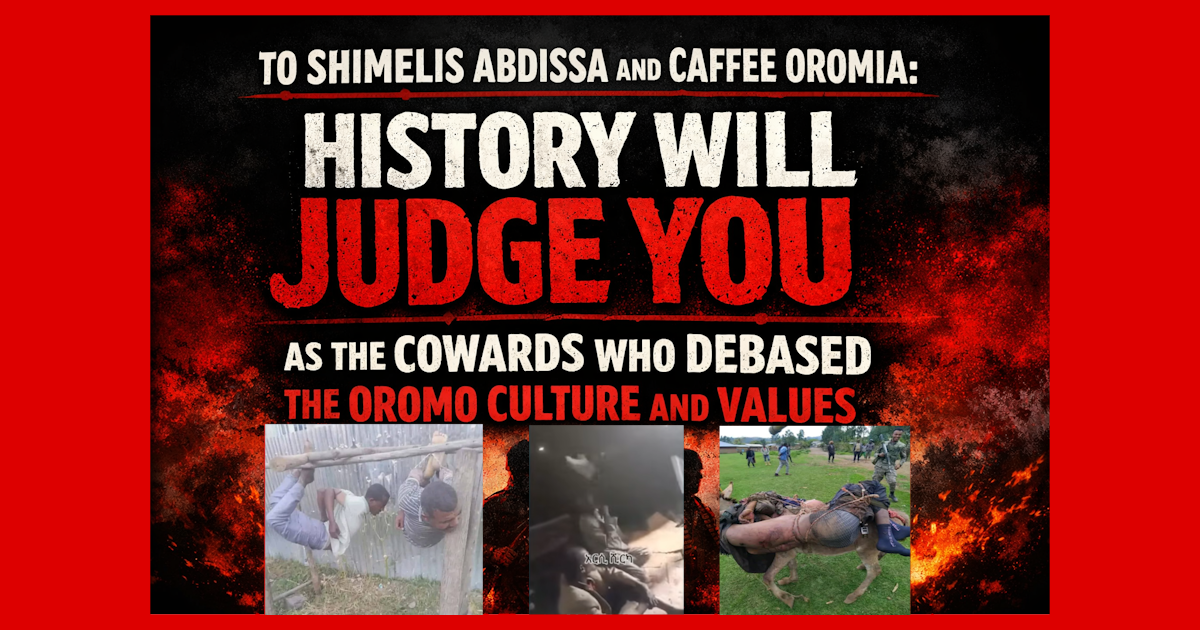
    To Shimelis Abdissa and Caffee Oromia: History Will Judge You for a Shameful Failure of Duty

    By OT Editorial Posted on2026-03-172026-03-17

    A disturbing video circulating on social media—showing an elderly man brutally beaten during a militia interrogation—captures, in a single frame, the depth of Oromia’s moral collapse since 2018. What should have been unthinkable has become disturbingly routine: dignity discarded, elders humiliated, and violence normalized. This is no longer about isolated abuses—it is about a systemic erosion of values that once defined and anchored Oromo society. History will judge those who enabled, ignored, or presided over this collapse.

    Read More To Shimelis Abdissa and Caffee Oromia: History Will Judge You for a Shameful Failure of DutyContinue

  • Monetary Policy
    Editorial | Politics | ⏭

    The Day Monetary Policy Joined the Ruling PartyIn Ethiopia, even institutional neutrality has stopped pretending

    By OT Editorial Posted on2026-02-242026-02-24

    When a central bank governor campaigns for a ruling political party, or any political party for that matter, Monetary Policy ceases to be an economic instrument and becomes a political one. In any democracy that still maintains a pretense of institutional order, this would be a red card—immediate, unquestionable, and final. A resignation would follow within hours. Parliamentary inquiries would begin. Constitutional lawyers would sharpen their knives. Markets would twitch. Not in Ethiopia. It barely interrupts the broadcast of a central bank governor campaigning on behalf of the ruling party.

    Read More The Day Monetary Policy Joined the Ruling PartyIn Ethiopia, even institutional neutrality has stopped pretendingContinue

  • Wallaga
    Article | Commentary | ⏭

    Wallaga and the Politics of FaçadeEight Years of Rhetoric, War, and Recalibration

    By Yadessa Guma (PhD, Anthropology) Posted on2026-02-222026-02-21
    1 Comment

    Eight years after branding Wallaga as too dangerous to visit, Ethiopia’s leadership now stages high-profile tours through a region devastated by war, displacement, and militarization. This article examines how early political rhetoric securitized Wallaga, normalized extraordinary violence, and reshaped policy under the guise of reform. By tracing the arc from fabricated fear to choreographed presence, it asks a hard question: does visibility signal stabilization—or merely a recalibrated façade masking unresolved brutality?

    Read More Wallaga and the Politics of FaçadeEight Years of Rhetoric, War, and RecalibrationContinue

  • Regional War
    Article | Op-Ed | Politics | ⏭

    Oromos and the Rising Risk of Regional War: Power, Leverage, and Post-War Reality

    By Dereje Hawas (PhD, Elec Eng) Posted on2026-02-222026-02-16

    War is not decided by outrage, slogans, or population size, but by organization, internal consolidation, and clear political priorities. As tensions re-emerge in northern Ethiopia, Oromos face a strategic question: will they shape a potential regional war’s outcome, or be shaped by it? Demography and geography create leverage only when converted into disciplined coordination. The lessons of 1991 and 2018 show that mobilization without institutional capacity yields participation without authorship.

    Read More Oromos and the Rising Risk of Regional War: Power, Leverage, and Post-War RealityContinue

  • Empire
    Article | Op-Ed | Politics | ⏭

    Ethiopia, Empire, and the Architecture of Perpetual Violence

    By Elemoo Qilxuu (MA, Political Science) Posted on2026-02-202026-02-20

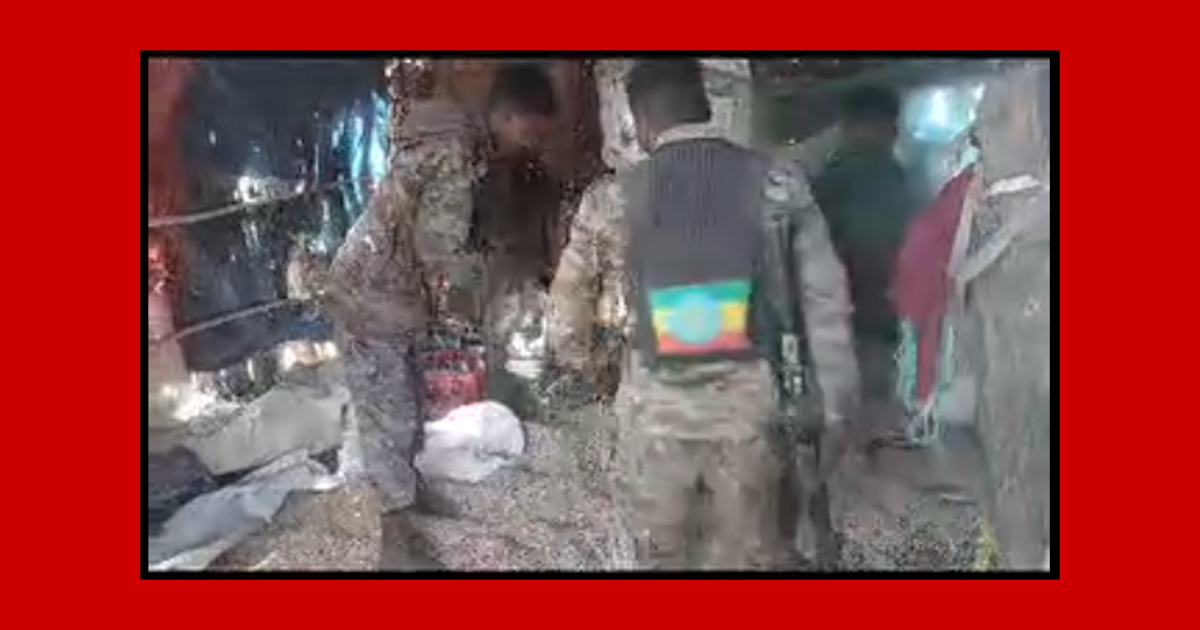
    Video footage circulating on social media showing ENDF forces deliberately destroying grain stored in Amhara farmers’ warehouses stopped me cold. If you were challenged to write an essay on this sadistic act, what would your take be? How would you title it—The Banality of Cruelty in a Militarized State? When the State Trains Young Men to Laugh at Hunger?

    For me, this footage reveals far more than a single atrocity. It exposes something deeply rotten—structural, inherited, and unresolved—at the core of an empire called Ethiopia.

    Please bear with me. Stay with me for a brief but unflinching analysis of what lies beneath the surface.

    Read More Ethiopia, Empire, and the Architecture of Perpetual ViolenceContinue

  • Dereje Gerefa Tullu
    Op-Ed | Politics | ⏭

    "Dr Dereje Gerefa Tullu": When Education Turns Against Humanity

    By Malkkaa Beenyaa (MA, Social Psychologist) Posted on2026-02-182026-02-17

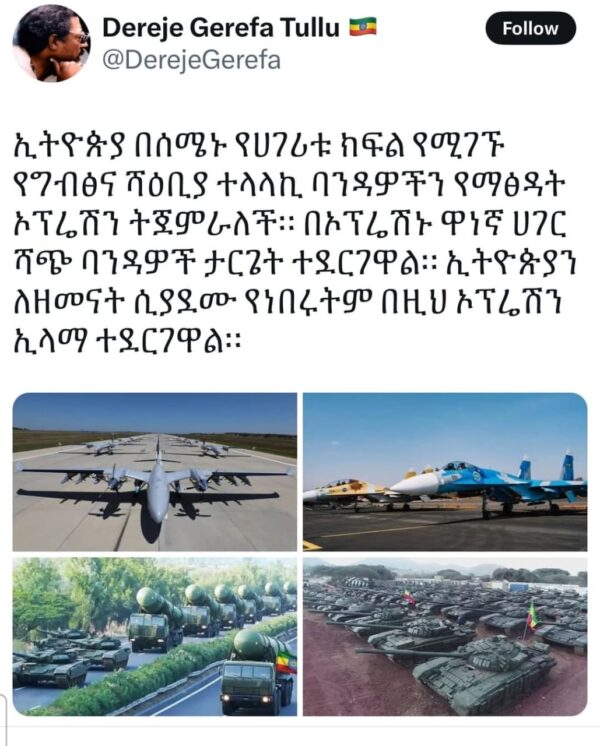
    When a PhD-educated public figure like Dereje Gerefa Tullu employs dehumanizing, eliminationist rhetoric, the issue is not political disagreement but moral collapse. Education is meant to civilize power, not aestheticize violence. When learning is repurposed to normalize threats and glorify force, it ceases to be enlightenment and becomes an accessory. The danger lies not only in the words spoken, but in how confidently they are spoken—revealing how ordinary cruelty can sound when dressed in educated language.

    Read More "Dr Dereje Gerefa Tullu": When Education Turns Against HumanityContinue

  • Lying
    Article | Op-Ed | Opinion | Politics | ⏭

    The Policy of Lying: How Power Is Sustained by Fabrication

    By Elemoo Qilxuu (MA, Political Science) and Roobaa Hawaas (MA, Psychology) Posted on2026-02-062026-02-05

    Ethiopia has crossed a moral and political threshold. Lying is no longer an occasional deviation but a governing method. From the fabricated pretext of the Tigray war to the attempted rewriting of Eritrea’s role—publicly rebutted by Gedu Andargachew—the pattern is unmistakable. When power substitutes for truth, institutions collapse, Parliament applauds falsehood, and citizens are conditioned to accept governance without reality. This is not political spin; it is rule by fabrication.

    Read More The Policy of Lying: How Power Is Sustained by FabricationContinue

  • Asmerom Legesse
    Tribute | ⏭

    Abbaa Gadaa Professor Asmerom Legesse: A Life Devoted to Oromo Gadaa and African Political Thought

    By OROMIA TODAY Board and Staff Members Posted on2026-02-042026-02-04
    4 Comments

    We mourn the passing of Abbaa Gadaa Professor Asmerom Legesse, the Eritrean scholar whose rigorous work on the Oromo Gadaa system reshaped how the world understands indigenous African governance. Through seminal books including Gadaa: Three Approaches to the Study of African Society (1973) and Oromo Democracy (2000), he framed Gadaa as an Oromo constitutional democratic order with rotating leadership, codified law, and checks and balances. His legacy endures across generations.

    Read More Abbaa Gadaa Professor Asmerom Legesse: A Life Devoted to Oromo Gadaa and African Political ThoughtContinue

  • PP Regime
    Article | Opinion | Politics | ⏭

    The PP Regime Now Has the Accolade: No Other Ethiopian Regime Has Acted Against the Oromo People So Intensely in Such a Short Time

    By Kumaa Daadhii (PhD, Political History) and Olii Boran (PhD, Sociology) Posted on2026-02-022026-02-01
    3 Comments

    The inauguration of the Shebele Resort near Jijigaa under the PP regime of PM Abiy Ahmed is more than a development event; it is a political statement. Held without Oromo representation in an Oromo city, and amid ongoing violence in eastern Oromia, the ceremony signals the normalization of exclusion and the quiet ratification of a long-contested administrative arrangement. What was once presented as a temporary “loan” of Jijigaa has now hardened into permanent political appropriation, with profound consequences for constitutional order and regional stability.

    Read More The PP Regime Now Has the Accolade: No Other Ethiopian Regime Has Acted Against the Oromo People So Intensely in Such a Short TimeContinue

  • Aabbuu Seeraa
    Article | Campaign | Human Rights | Politics | ⏭

    Aabbuu Seeraa: Building Progress on Indigenous Erasure

    By OROMIA TODAY Posted on2026-01-302026-01-24

    In Aabbuu Seeraa, thousands of indigenous Oromo families are being displaced to build a flagship airport. Model houses are showcased to project “modernization,” while most households remain without shelter, land, or livelihood—and those who protest face detention. This is not opposition to development; it is a demand for development as a social contract. Minimum conditions are proposed for legitimacy, including housing, livelihood restoration, heritage and environmental protection, demographic sensitivity, perpetual stakeholding, and independent international assessment.

    Read More Aabbuu Seeraa: Building Progress on Indigenous ErasureContinue

  • Oromia Administration
    Editorial | Politics | ⏭

    The Oromia Administration: Silence, Not Governance

    By OT Editorial Posted on2026-01-282026-01-28

    The Oromia Administration is conspicuously absent as Oromia faces multi-front aggression, mass dispossession, and deepening corruption. From Somali regional incursions in the east—politically encouraged by president Mustafe Mohammed Omer—to Amhara Fano violence in the west and north east, and forced evictions in central Oromia, silence has become policy. This editorial argues the Oromia Administration is not merely failing, but enabling a proxy-war strategy in which Oromia must be weakened for the Ethiopian empire to endure.

    Read More The Oromia Administration: Silence, Not GovernanceContinue

Page navigation

1 2 3 … 11 Next PageNext

Archives

Recent Posts

  • The Ethiopian Perspective Gap: Why Some Voices Sound Like Truth—and Others Like Rebuttal
  • One Song, Five Messages
  • Cui Bono? The Political Economy of Conflict and the Oromo Question
  • Ambo: Cruelty in Plain Sight — Violence, Impunity, and the Political Crisis in Oromia
  • Remembering Guyyaa Gootota Oromoo
  • Oromo Martyrs Day—April 15, 2026: Memory, Sacrifice, and the Unfinished Future of Oromia
  • The Peace Conference Without the Other Side
  • 7 Reasons Why There Can Be No Credible Electoral Process in an Empire Disintegrating Before Our Eyes
  • History Comes to the UN and Asks for a Vote
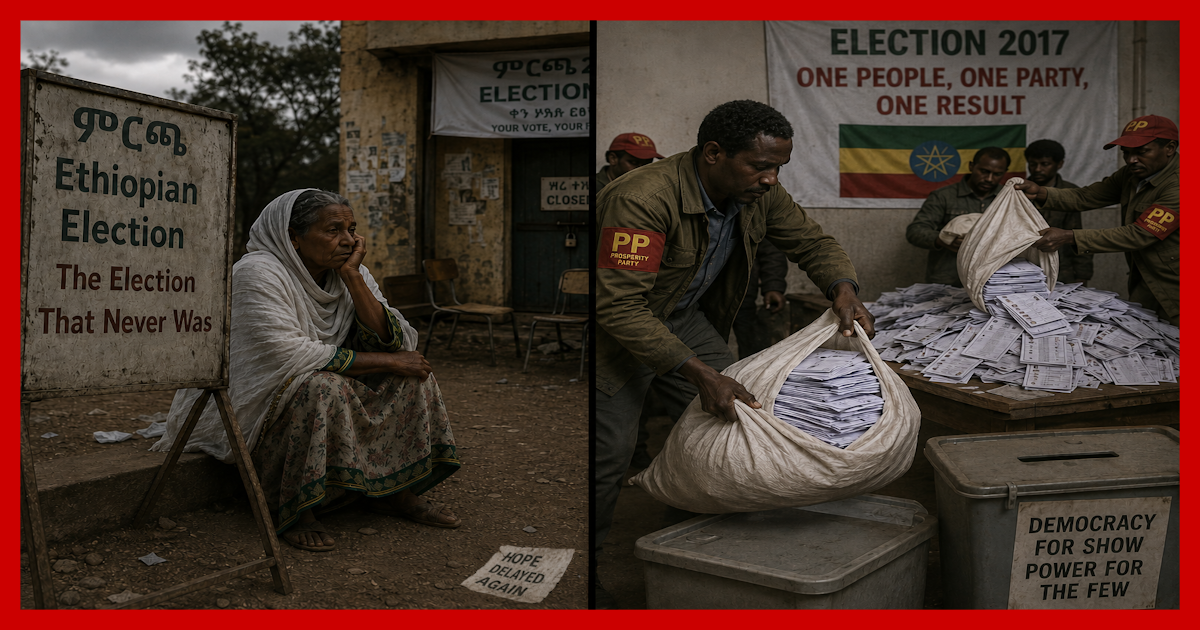
  • Much Ado About Nothing—The Illusion of Elections in Oromia and Ethiopia

Authors

Categories

Recent Comments

  • webmaster on Remembering Guyyaa Gootota Oromoo
  • ejigu etana on Remembering Guyyaa Gootota Oromoo
  • ejigu etana on Remembering Guyyaa Gootota Oromoo
  • Raba Dori on Between Water at the Margins and SurvivalEnvironmental Precarity and the Political Economy of Inequality in Oromia
  • Dereje Hawas on Between Water at the Margins and SurvivalEnvironmental Precarity and the Political Economy of Inequality in Oromia
Facebook X YouTube TikTok Telegram

© 2026 OROMIA TODAY

Report an Incident

Tags Cloud

3000-Year Myth Aabbuu Seeraa Aabbuu Seeraa Airport Abiy Ahmed Amhara Elite Amhara Fano Caffee Oromia Calii Tuulamaa ENDC Eritrea Ethiopian Empire EZEMA Faarseebulaa Fact-checking FearlessTayeDanda'a Finfinnee Gadaa Supercity GERD History & Memory IMF Indigenous Oromo Indigenous Rights Irreechaa July 2024 Macroeconomic Policy Math Meets PP Myth MMPPM Moyale Multinational Federalism OLA OLF OLF-OLA OPDO/PP Oromia Oromo Questions Oromo Struggle Oromummaa PP Regime PP Regime Brutality Remembrance Safuu Shimelis Abdissa Somali Region Taye Danda'a TPLF Tribute
Scroll to top
  • Home
  • Articles
  • Editorial
  • News
  • Opinions
  • About
  • Contact
Search