Cui Bono? The Political Economy of Conflict and the Oromo Question
Excerpt
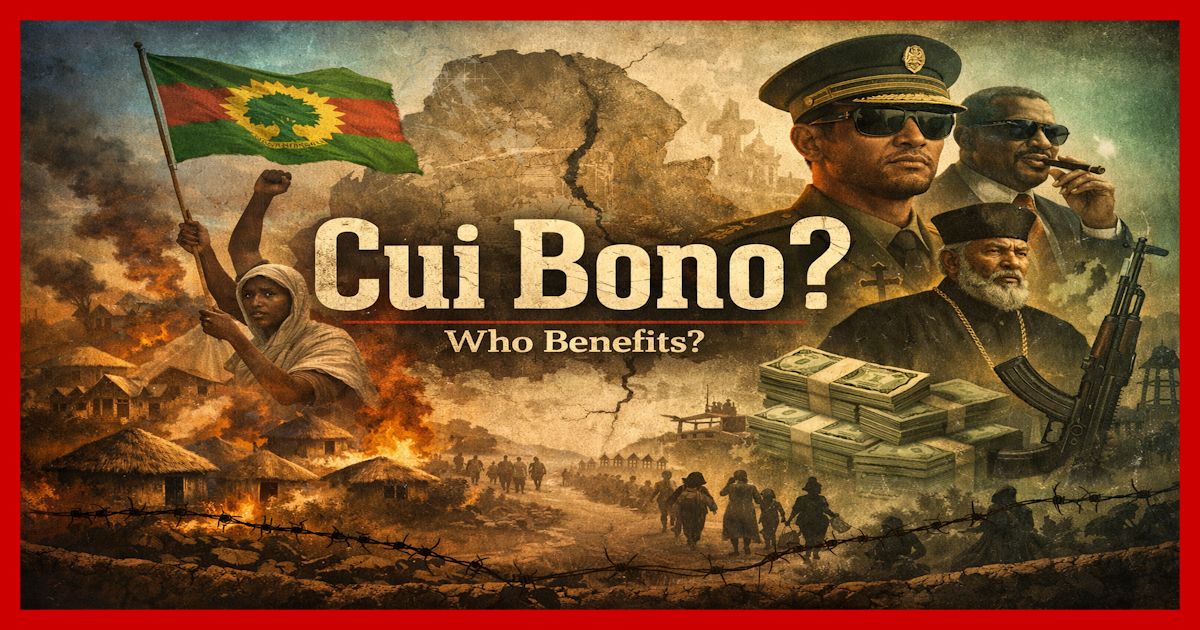
“Cui Bono?”—who benefits? This article applies that question to Ethiopia’s recurring cycles of conflict, arguing that instability is not accidental but structurally embedded. By centering the Oromo experience, it shows how political, military, and economic elites—historically reproduced through entrenched advantage—derive disproportionate benefit, while the broader population bears the cost. Without confronting this imbalance and the unresolved Oromo question, durable peace and equitable development will remain elusive.
Abstract
For over a century, the Ethiopian state has been marked by recurrent cycles of war, repression, and political instability. While dominant narratives often attribute this pattern to ethnic fragmentation or institutional weakness, this article applies a cui bono (“who benefits?”) framework to interrogate the deeper political economy sustaining this continuity.
By centering the Oromo experience—the largest demographic group within the state—it argues that conflict is not incidental but structurally embedded within a system that disproportionately benefits political, military, and economic elites. Importantly, these elites are neither uniform nor static; they are historically reproduced through entrenched advantages rooted in empire formation under Menelik II and adapted across successive regimes.
Without confronting this continuity—and the unresolved Oromo question—cycles of instability are likely to persist.
Introduction: Reframing the Question
Ethiopia is often described as an ancient state struggling to manage modern diversity. While this framing offers a convenient narrative of continuity (Boran, 2025a, 2025b), it risks obscuring a more fundamental issue: the persistence of a political system that has failed to deliver sustained peace or equitable development.
Since the late nineteenth century, following Abyssinian expansion under Menelik II, the territories that constitute present-day Ethiopia have rarely experienced prolonged stability. Conflict—whether in the form of imperial conquest, insurgency, or civil war—has been a recurring feature rather than an exception.
The critical question, therefore, is not simply why conflict persists, but who benefits from its continuation—and through what mechanisms?
Historical Foundations: Empire Formation and the Oromo Experience
The incorporation of Oromo territories into the Abyssinian empire—later reconstituted as Ethiopia—did not arise through consent, but through processes imposed by force and unequal power. It involved military conquest, land dispossession under systems such as nafxanya–gabbar, and sustained cultural and political marginalization.
These processes dismantled indigenous institutions such as the Gadaa system and subordinated Oromo societies to a centralized imperial order (Hassen 1990; Jalata 2005). While interpretations of this period vary across historiography, its structural consequences are difficult to dispute.
Crucially, this moment of incorporation was not merely historical—it established enduring hierarchies that continue to shape political and economic life.
Elite Continuity Without Merit: The Afterlife of the Feudal Order
Understanding who benefits from the system requires examining not only current power holders, but the historical reproduction of advantage.
Although the feudal order formally ended with the 1974 revolution, its structural legacy endured. Under imperial rule, access to power was concentrated through land ownership, proximity to authority, and administrative privilege. These advantages translated into early access to education, urban opportunities, and state employment.
When the system changed, the playing field did not reset.
Instead, those already positioned within networks of privilege were better equipped to adapt. Their descendants often inherited disproportionate access to education, capital, and institutional pathways.
At the same time, elite groups have not been monolithic; they have competed, fragmented, and reconfigured across regimes—yet within a shared structural framework.
In this sense, elite dominance is not primarily meritocratic—it is structurally reproduced across generations.
Regime Change Without Structural Transformation
Subsequent regimes—the Derg and the post-1991 federal system—presented themselves as transformative ruptures. Yet both operated within—and ultimately reinforced—existing structures of power.
Even where new actors entered the political arena, they did so within a system shaped by centralized coercive institutions, patronage networks, and unequal resource distribution.
This pattern suggests that political transitions have often been rotational rather than transformational.
The question, then, is not simply who governs, but whether the underlying rules of the system have meaningfully changed.
Structure, Not Conspiracy: Rethinking the “Deep State”
The persistence of elite dominance is sometimes framed as the product of a “deep state.” However, a more analytically robust explanation lies in durable structures of power and incentive.
Leaders across different eras have operated within constraints shaped by inherited institutions and entrenched networks. Political survival frequently depends on navigating these structures rather than dismantling them.
Continuity, therefore, is less about hidden coordination and more about systemic reproduction under constraint.
The Political Economy of Conflict
Within this structure, conflict serves identifiable and recurring functions.
Elite Beneficiaries
Political elites consolidate authority through crisis governance, often framing dissent as a threat to national stability. Military and security institutions expand their influence and resources under conditions of instability. Economic actors may benefit from war-related procurement and control over contested resources.
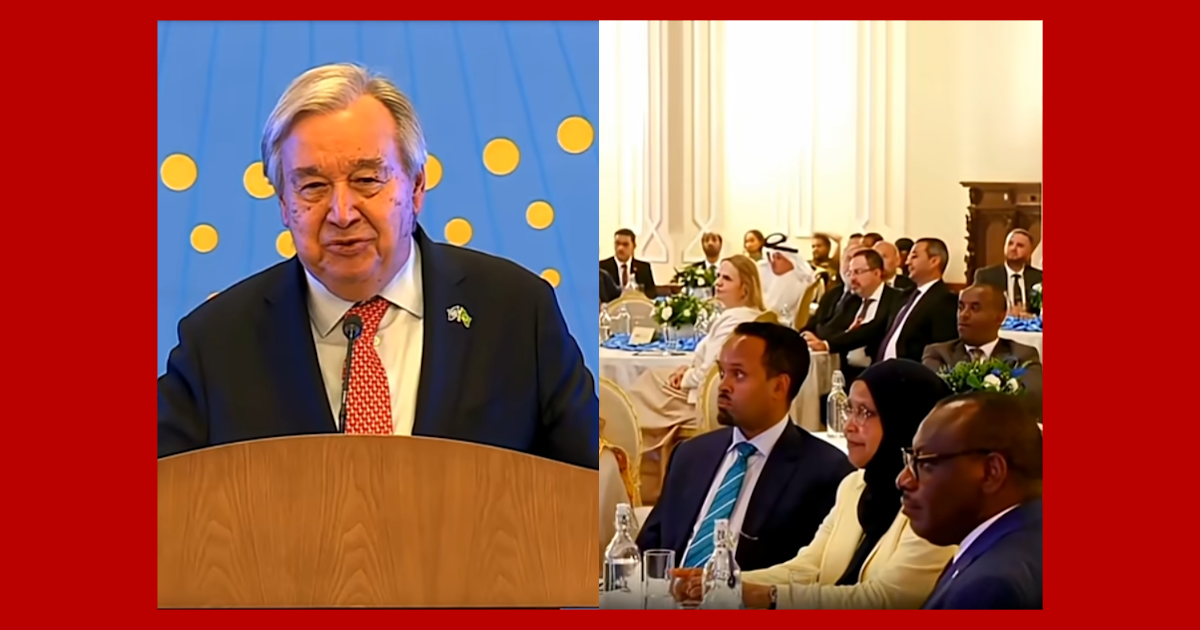
International partners, meanwhile, often engage the Ethiopian state as a strategic ally, prioritizing regional stability over internal transformation.
Conflict, in this sense, is not merely a breakdown—it can function as part of a system of accumulation, control, and survival.
Entrenched Advantage and the Limits of Equality
Once established, advantage reproduces itself across generations through education, networks, and capital accumulation. While formal equality may exist, structural inequality persists in practice.
For historically marginalized populations—particularly the Oromo—this creates enduring barriers to upward mobility. Opportunity, though theoretically universal, remains unevenly distributed.
The Oromo Question: Marginalisation and Resistance
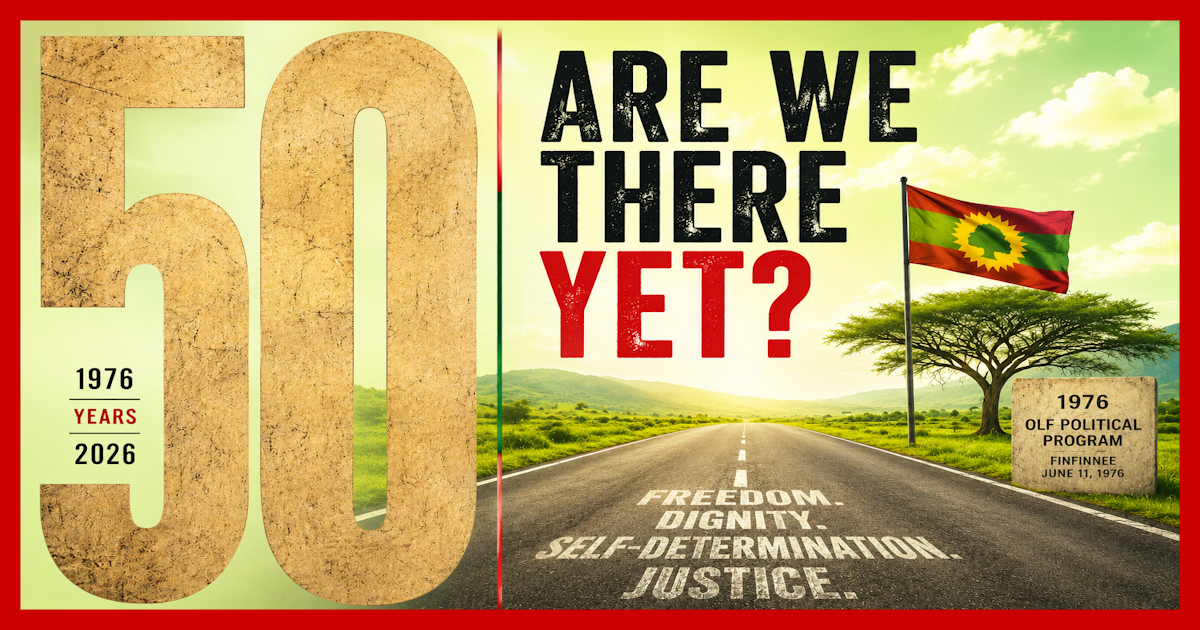
The Oromo question is not reducible to identity politics alone. It encompasses issues of self-determination, equitable representation, and control over land and resources.
Movements such as the Oromo Liberation Front have articulated these demands over decades, reflecting long-standing grievances rather than episodic unrest. Contemporary protests across Oromia further demonstrate that these issues remain unresolved.
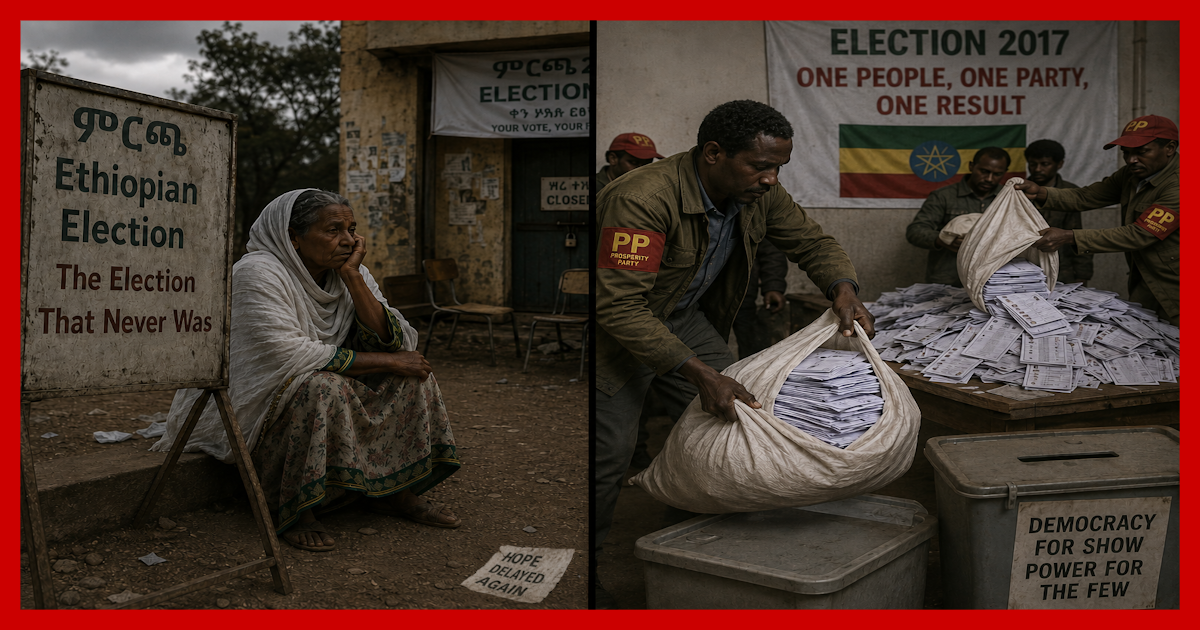
State responses—often involving militarization—tend to reinforce perceptions of exclusion rather than resolve underlying tensions.
Unity or Coercion? Reassessing the State Narrative
The Ethiopian state frequently invokes national unity as a guiding principle. However, in practice, unity has often been enforced rather than negotiated.
For many, particularly in marginalized regions, the state is experienced less as a shared political project and more as an imposed structure. This gap between narrative and lived experience remains a central tension.
Human Cost: The Majority Without Benefit
While segments of the elite derive benefits from the system, the broader population bears its costs—poverty, displacement, and recurring violence.
This disparity lies at the heart of the cui bono argument: the system persists not because it benefits all, but because it sufficiently benefits those who hold power.
Why the System Endures
The resilience of this structure can be explained through multiple reinforcing dynamics:
- Path dependency: historical institutions constrain present options
- Elite competition: rival groups seek control rather than transformation
- Risk aversion: systemic change is perceived as destabilizing
- External reinforcement: international actors prioritize stability
Toward a Different Future: Re-centering Justice
Addressing Ethiopia’s cycle of conflict requires more than institutional reform—it requires confronting the historical reproduction of inequality.
This involves not only redistributing political and economic power, but also addressing intergenerational disparities, acknowledging historical injustices, and meaningfully engaging with demands for self-determination.
The precise pathway will remain contested, but without structural change, reform risks remaining cosmetic.
Conclusion
The persistence of instability in Ethiopia is not politically neutral. It reflects a system in which power, advantage, and conflict are deeply intertwined.
A cui bono analysis reveals a central reality: continuity benefits historically reproduced elites, while its costs fall disproportionately on marginalized populations, particularly the Oromo.
Until this imbalance is addressed at its structural roots, the cycle of conflict is unlikely to break.
References
- Abbink, J. (2011). Ethnic-based federalism and ethnicity in Ethiopia: Reassessing the experiment after 20 years. Journal of Eastern African Studies, 5(4), 596–618.
- Boran, O. (2025a), The Myth of Ethiopia’s Historical Continuity, 17 March 2025, OROMIA TODAY.
- Boran, O. (2025b), How a False Unity of Mythical Ethiopia Was Manufactured Through Annexation and Assimilation, 9 April 2025, OROMIA TODAY.
- Hassen, M. (1983). The Oromo of Ethiopia, 1500–1850: With Special Emphasis on the Gibe Region (SOAS Research Online record).
- Jalata, A. (2005). Oromia and Ethiopia: State Formation and Ethnonational Conflict, 1868–2004. Boulder: Lynne Rienner Publishers.
- Vaughan, S. (2003). Ethnicity and Power in Ethiopia. PhD Thesis, University of Edinburgh.