Skip to content
OROMIA TODAY

OROMIA TODAY

Oromia is a Country

BAKKALCHA OROMIYAA
  • Home
  • Articles
  • Editorial
  • News
  • Opinions
  • About
  • Contact
OROMIA TODAY
OROMIA TODAY
Oromia is a Country
BAKKALCHA OROMIYAA
  • One Song
    Article | Commentary | Opinion | Politics

    One Song, Five Messages

    By Elemoo Qilxuu (MA, Political Science) Posted on2026-04-212026-04-21

    In just days, one song by Tewodros "Teddy Afro" Kassahun has ignited a firestorm—revealing not unity, but multiple Ethiopias speaking past each other. What appears as controversy is, in truth, a deeper collision of meanings shaped by power, history, identity, and memory. This article unpacks the layered messages behind the moment, exposing how one song became a prism through which a fractured empire sees itself.
    Read More One Song, Five MessagesContinue

  • Cui Bono?
    Article | Commentary | Op-Ed | Politics | ⏭

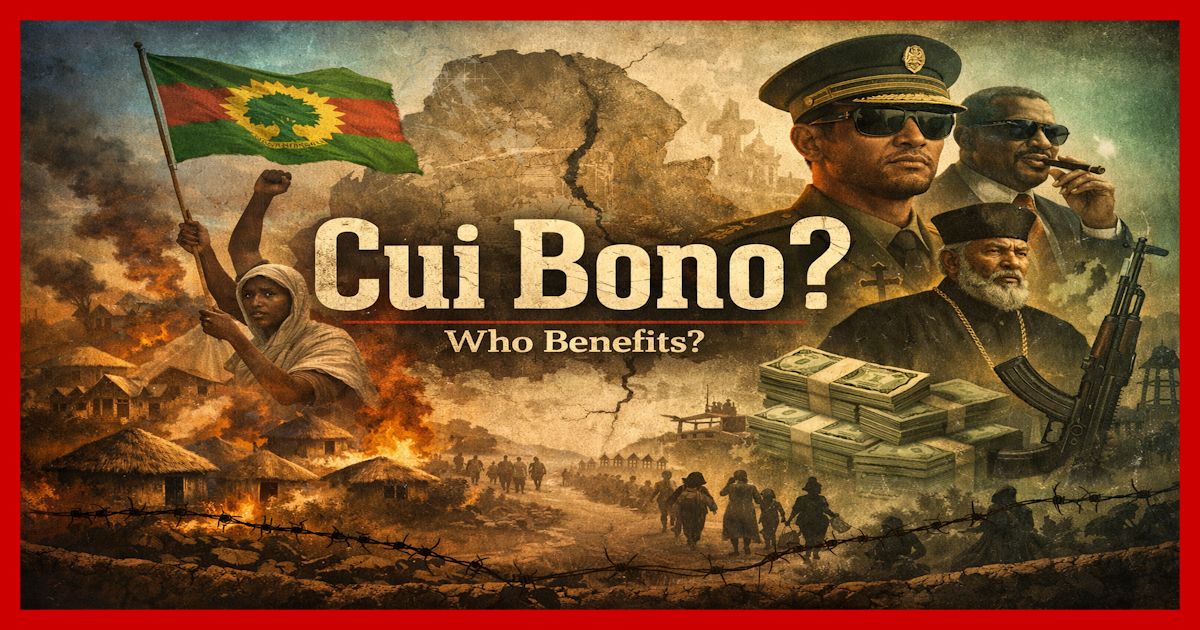
    Cui Bono? The Political Economy of Conflict and the Oromo Question

    By Yadessa Guma (PhD, Anthropology) Posted on2026-04-202026-04-19

    “Cui Bono?”—who benefits? This article applies that question to Ethiopia’s recurring cycles of conflict, arguing that instability is not accidental but structurally embedded. By centering the Oromo experience, it shows how political, military, and economic elites—historically reproduced through entrenched advantage—derive disproportionate benefit, while the broader population bears the cost. Without confronting this imbalance and the unresolved Oromo question, durable peace and equitable development will remain elusive.

    Read More Cui Bono? The Political Economy of Conflict and the Oromo QuestionContinue

  • Peace Conference
    Article | Commentary | Op-Ed | Politics

    The Peace Conference Without the Other Side

    By Roobaa Hawaas (MA, Psychology) Posted on2026-04-052026-04-04

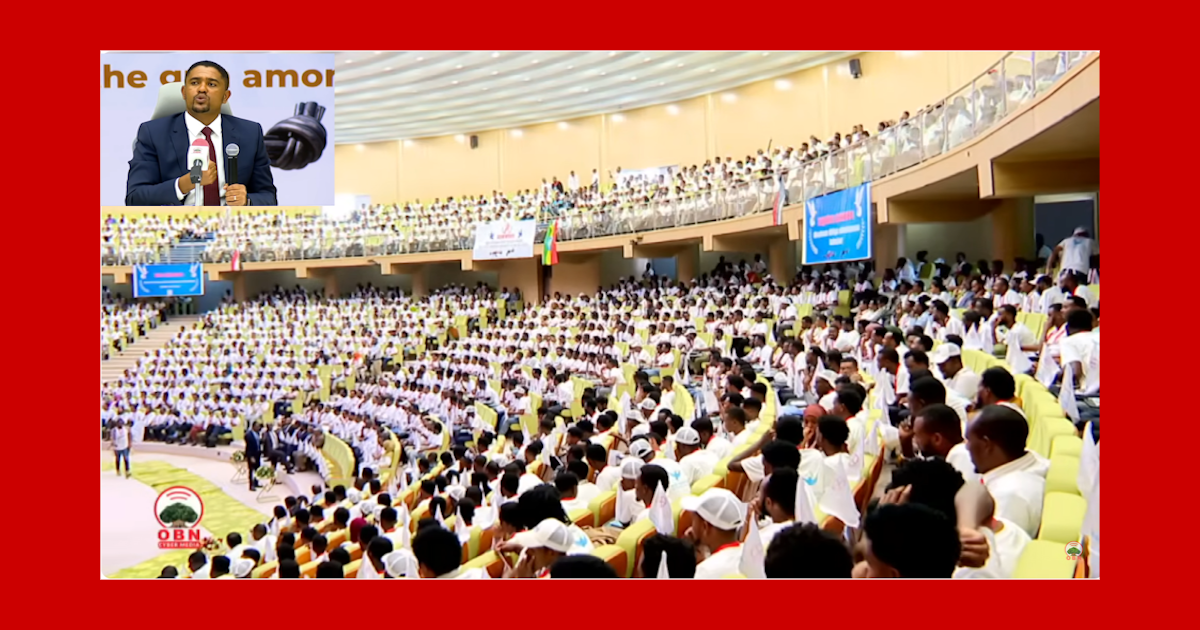
    A peace conference without the other party present is not a peace conference. It is a political performance. The recent speech by Oromia president Shimelis Abdissa and so-called peace gathering reveal a deeper political reality: peace is being used as rhetoric while politics, historical grievances, and negotiations are carefully avoided. The tragedy of the current conflict is not simply war, but the collapse of trust — and without trust, peace cannot exist.

    Read More The Peace Conference Without the Other SideContinue

  • Elections
    Commentary | Opinion | Politics

    Much Ado About Nothing—The Illusion of Elections in Oromia and Ethiopia

    By Kumaa Daadhii (PhD, Political History) Posted on2026-03-232026-03-23

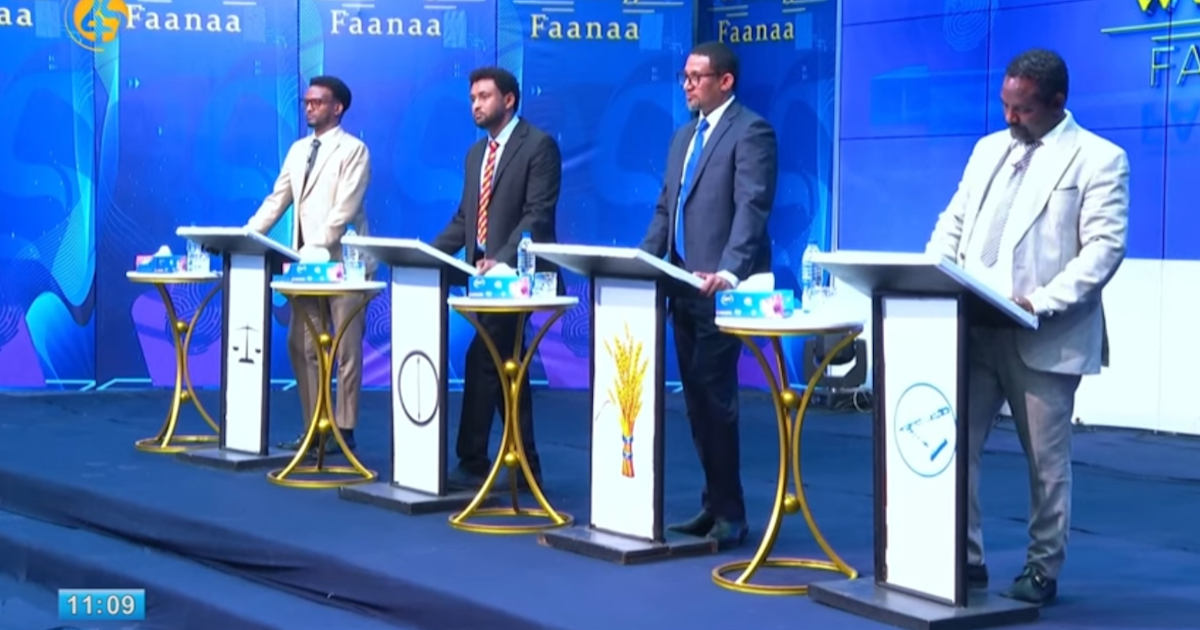
    The forthcoming Oromia and Ethiopia elections are being presented as competitive democratic contests, complete with debates, campaigns, and political messaging. Yet beneath the spectacle lies a political reality many already understand: elections that confirm power rather than contest it. But the real story may not lie in the predictable outcome. It lies on the sidelines—in the debates, the personalities, the rhetoric, and the revealing moments that quietly expose the true nature of politics in Oromia and Ethiopia today.

    Read More Much Ado About Nothing—The Illusion of Elections in Oromia and EthiopiaContinue

  • Moral Asymmetry
    Commentary | Opinion | Politics

    Can Recognizing a Moral Asymmetry Bridge Ethiopia’s Worlds-Apart Historical Narratives?

    By Elemoo Qilxuu (MA, Political Science) Posted on2026-03-152026-03-14

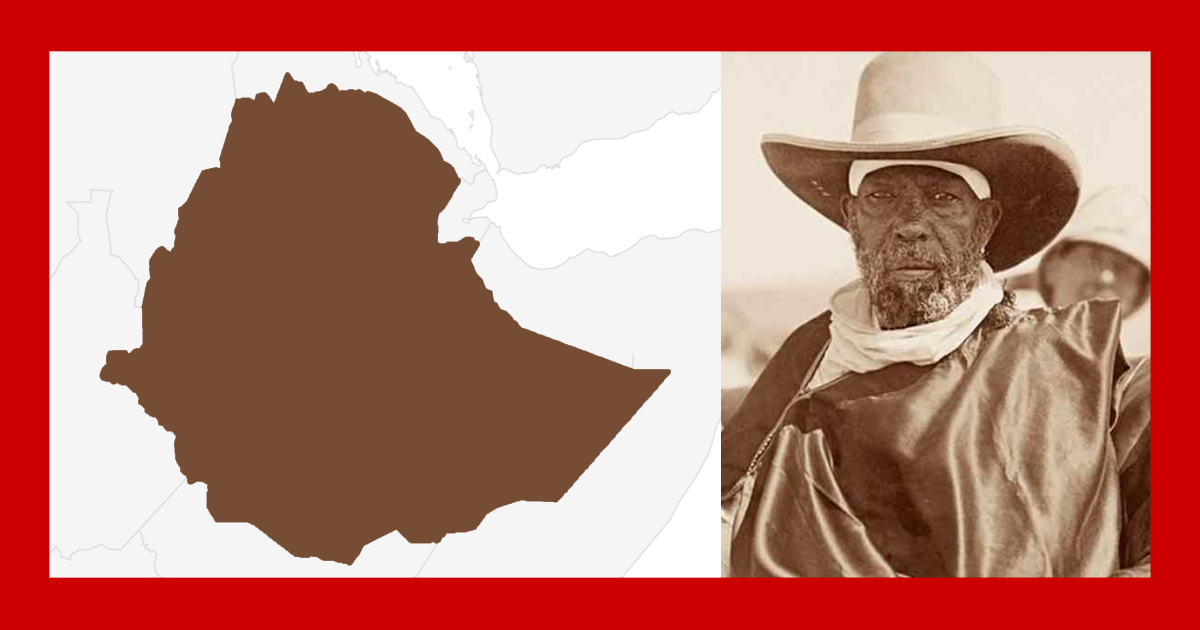
    Ethiopia’s debate over Menelik II reflects far more than disagreement about a ruler’s legacy. It reveals two historical memories occupying the same political space yet interpreting the same events in radically different ways. This essay introduces the concept of moral asymmetry—the unequal ethical weight between disputing a leader’s greatness and denying the suffering experienced by others—and explores whether acknowledging this asymmetry can help narrow Ethiopia’s deeply divided historical narratives.

    Read More Can Recognizing a Moral Asymmetry Bridge Ethiopia’s Worlds-Apart Historical Narratives?Continue

  • Architecture of Authority
    Article | Commentary | Opinion | Politics

    Oromos and the Architecture of AuthoritySurvival, Role Discipline, and Institutional Design

    By Dereje Hawas (PhD, Elec Eng) Posted on2026-03-102026-03-06

    Calls for unity within the Oromo political sphere have become increasingly frequent, yet unity alone does not produce strategic effectiveness. This article argues that the deeper problem is the lack of an effective architecture of authority capable of assigning roles, managing disagreement, and converting mobilization into institutional power. Drawing on the historical experience of 1991 and the 2014–2018 mobilizations, it examines why fragmentation persists and outlines the institutional design needed for durable political authority.

    Read More Oromos and the Architecture of AuthoritySurvival, Role Discipline, and Institutional DesignContinue

  • Wallaga
    Article | Commentary | ⏭

    Wallaga and the Politics of FaçadeEight Years of Rhetoric, War, and Recalibration

    By Yadessa Guma (PhD, Anthropology) Posted on2026-02-222026-02-21
    1 Comment

    Eight years after branding Wallaga as too dangerous to visit, Ethiopia’s leadership now stages high-profile tours through a region devastated by war, displacement, and militarization. This article examines how early political rhetoric securitized Wallaga, normalized extraordinary violence, and reshaped policy under the guise of reform. By tracing the arc from fabricated fear to choreographed presence, it asks a hard question: does visibility signal stabilization—or merely a recalibrated façade masking unresolved brutality?

    Read More Wallaga and the Politics of FaçadeEight Years of Rhetoric, War, and RecalibrationContinue

  • Eritrea and Ethiopia
    Article | Commentary | Op-Ed | Politics | ⏭

    Eritrea and Ethiopia: Regret, Rivalry, and the Search for a Permanent Settlement

    By Itansaa Barii Posted on2025-07-242025-07-24

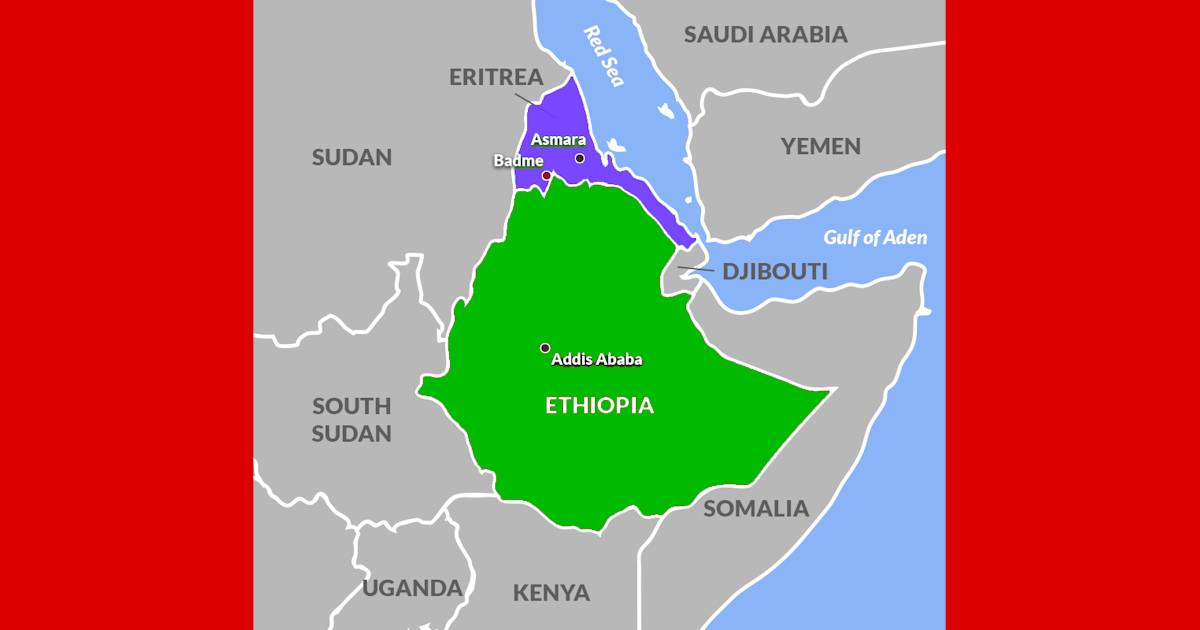
    The troubled relationship between Eritrea and Ethiopia has remained unresolved since independence in 1993. This essay explores whether Eritrea secretly regrets its separation, how President Afwerki's fixation on Ethiopian politics reflects deeper insecurities, and what the future holds. Is this a conflict frozen in time—or a struggle over imperial legacy and regional power?

    Read More Eritrea and Ethiopia: Regret, Rivalry, and the Search for a Permanent SettlementContinue

  • Medieval
    Commentary | Op-Ed | Religious Affairs | ⏭

    We Live Next Door to a Medieval People. Sadly.Orthodoxy, Empire, and the Struggle for Cultural Liberation in Ethiopia

    By Yadessa Guma (PhD, Anthropology) Posted on2025-07-182025-07-16

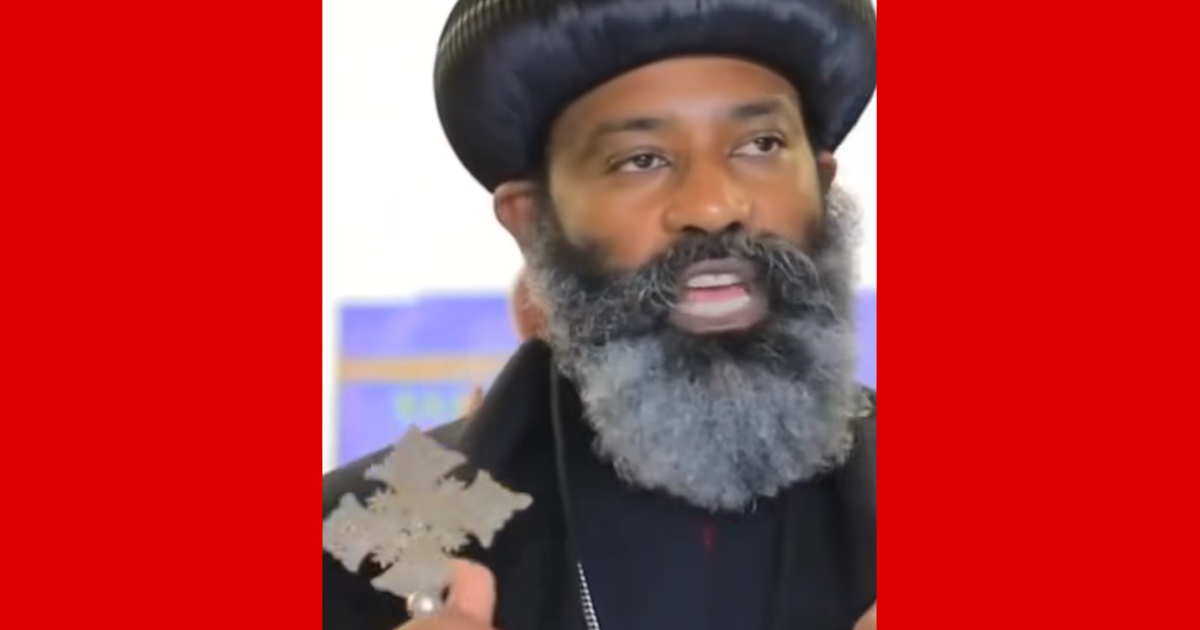
    A medieval mindset still haunts the Ethiopian Orthodox Church, preserving Ge’ez exclusivity while marginalizing Oromo identity. A recent video by an Orthodox clergyman exposing this racism underscores the need for ecclesiastical autonomy. This article examines how spiritual exclusion is tied to imperial history—and why a modern, inclusive Oromia Orthodox Church is no longer just necessary, but inevitable.

    Read More We Live Next Door to a Medieval People. Sadly.Orthodoxy, Empire, and the Struggle for Cultural Liberation in EthiopiaContinue

  • Faarseebulaas
    Commentary | Editorial | Opinion

    What Is Humanity If Even the Faarseebulaas Mock the Truth?

    By Kumaa Daadhii Posted on2025-06-292025-06-29

    Empires and regimes fall. Tyrants vanish. And when the reckoning comes, Betelhem Tafese and the Faarseebulaas will face the truth they mocked. Will they eat back the contemptuous lies they vomit today against the truth-tellers, freedom fighters, and human rights activists? No regime built on deception, gaslighting, and blood can last — especially one that feeds starving people fairy tales and street-light shows.

    Read More What Is Humanity If Even the Faarseebulaas Mock the Truth?Continue

  • Racist
    Commentary | Opinion | Politics

    The Amhara Elite Racist Worldview: Collective Unconscious and Historical Hegemony

    By Turaa Jaarsoo Posted on2025-06-272025-06-27

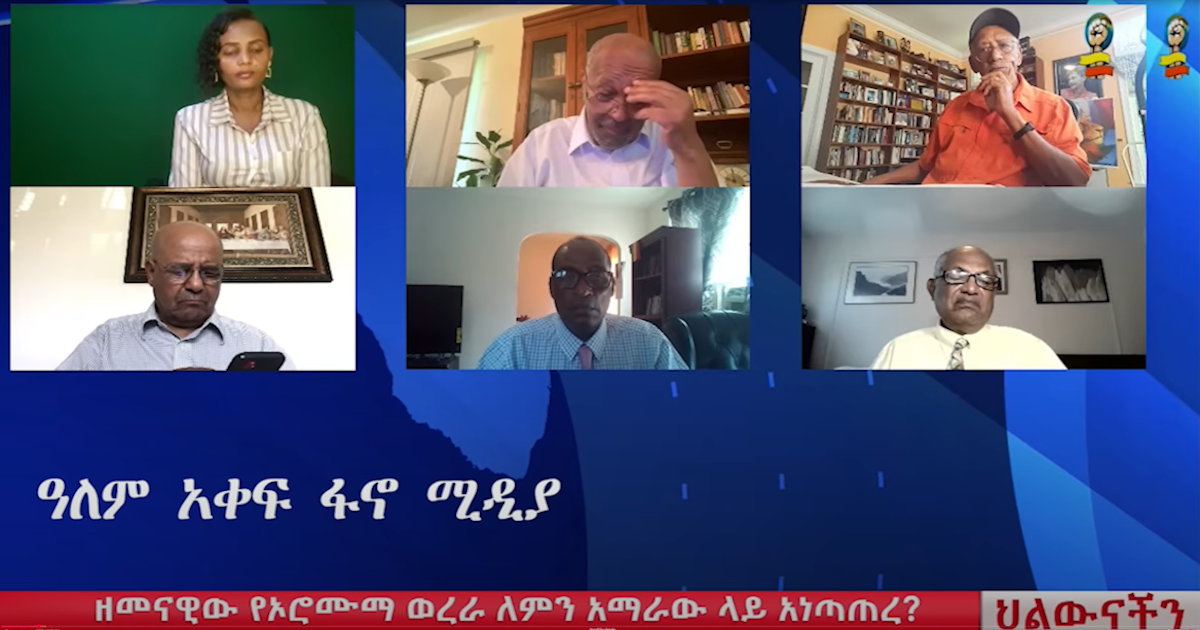
    Excerpt This article examines the enduring racist worldview propagated by sections of the Amhara political elite in Ethiopia, with specific reference to a recent video conference led by Professor Getachew Begashaw. It explores how dehumanizing ethnic slurs, territorial revisionism, and historical denialism reflect a psychological phenomenon best understood through Carl Jung’s concept of the Collective...

    Read More The Amhara Elite Racist Worldview: Collective Unconscious and Historical HegemonyContinue

  • Faarseebulaa
    Article | Commentary | ⏭

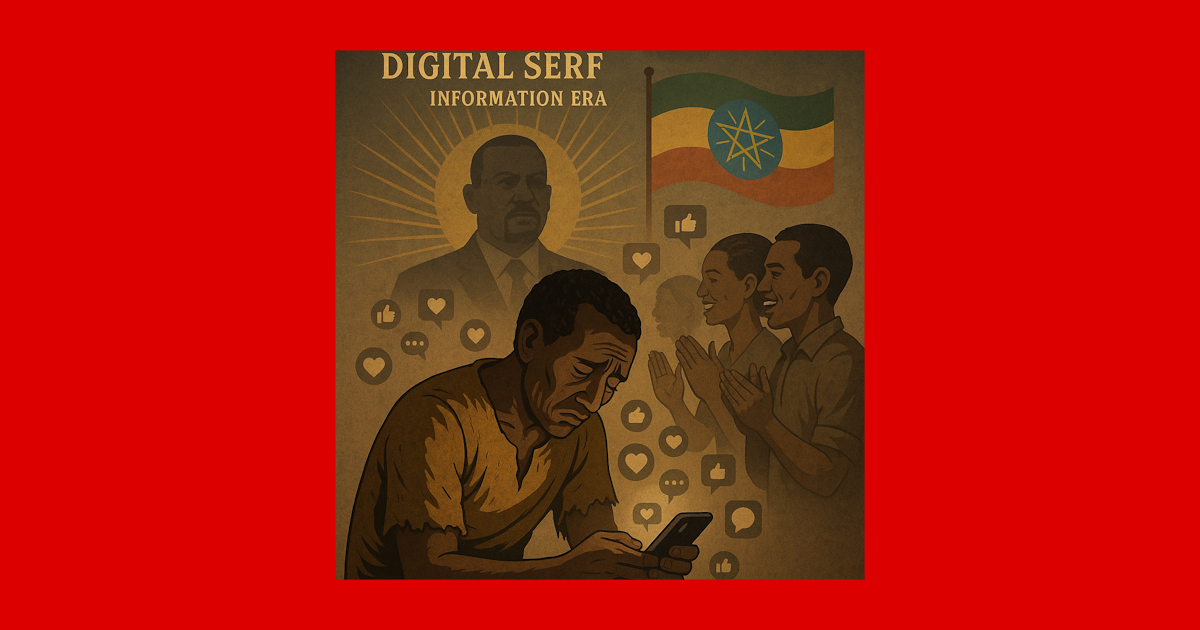
    Digital Serfdom in Ethiopia: Faarseebulaa, Propaganda, and the Politics of Praise

    By Olii Boran (PhD, Sociology) and Ed Chapman (Digital Forensics Researcher) Posted on2025-05-222025-05-22

    Faarseebulaa refers to Ethiopia’s emerging class of Digital Serfs—individuals who voluntarily serve authoritarian systems through online propaganda. Unlike historical peasants or proletariats who resisted oppression, the Faarseebulaa defend it for personal gain, low self-worth, and limited awareness. They are not rulers, yet they passionately safeguard the system that exploits the majority.

    Read More Digital Serfdom in Ethiopia: Faarseebulaa, Propaganda, and the Politics of PraiseContinue

  • Intellectualism
    Commentary

    When Intellectualism Becomes ComplicitHow Ethiopia’s intellectual legacy must confront its role in cultural erasure and ideological domination.

    By Roobaa Hawaas Posted on2025-05-082025-05-08
    1 Comment

    Excerpt: When intellectualism aligns with power instead of truth, it risks becoming a refined tool of domination. This reflection challenges the legacy of Ethiopian academia and calls for a return to ethical, justice-driven scholarship. Introduction Throughout history, intellectuals have often served as society's conscience—interpreters of truth, critics of power, and illuminators of the human condition....

    Read More When Intellectualism Becomes ComplicitHow Ethiopia’s intellectual legacy must confront its role in cultural erasure and ideological domination.Continue

  • Dr Sisay Mengiste
    Article | Commentary | Opinion | ⏭

    When Lawmakers Fan Dangerous Flames: The Case of Dr Sisay Mengiste

    By Olii Boran Posted on2025-04-182025-04-18

    Questions for Troubling Rhetoric Where does freedom of speech end, and the incitement of dangerous, ethnically charged propaganda begin? At what point does public discourse shift from a right to speak one’s mind into a reckless abuse of influence—especially when the speaker holds public office in a fragile, multi-ethnic society? These are not abstract questions....

    Read More When Lawmakers Fan Dangerous Flames: The Case of Dr Sisay MengisteContinue

  • When Falsehoods Wear Fancy Fonts
    Article | Commentary | History | ⏭

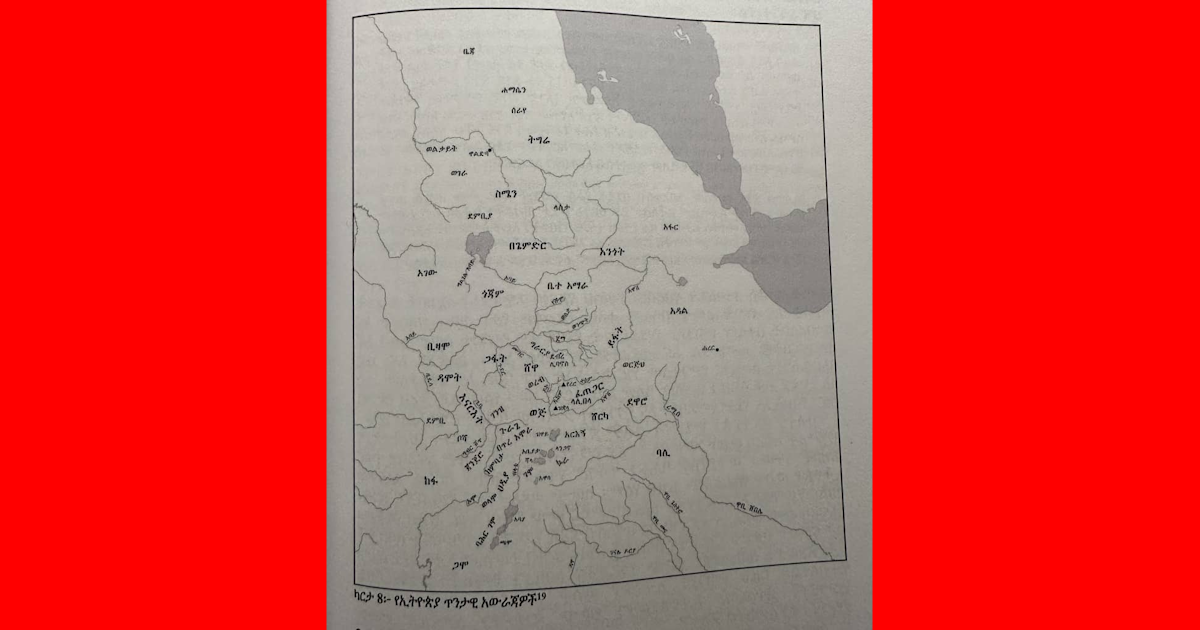
    When Falsehoods Wear Fancy Fonts: The Absurdity of Manufactured Maps

    By Elemoo Qilxuu Posted on2025-04-172025-04-17

    There’s something truly ironic about attempts to rewrite history—how they often stumble on the very tools they try to wield. A case in point: a laughable “13th-century map of Abyssinia” now making the rounds. A single glance at its slick, pixel-perfect typography and digitally crisp outlines is enough to raise eyebrows. We are expected to...

    Read More When Falsehoods Wear Fancy Fonts: The Absurdity of Manufactured MapsContinue

  • assimilation decree
    Article | Commentary | Verifiable History | ⏭

    How a False Unity of Mythical Ethiopia Was Manufactured Through Annexation and Assimilation

    By Olii Boran Posted on2025-04-092025-04-09

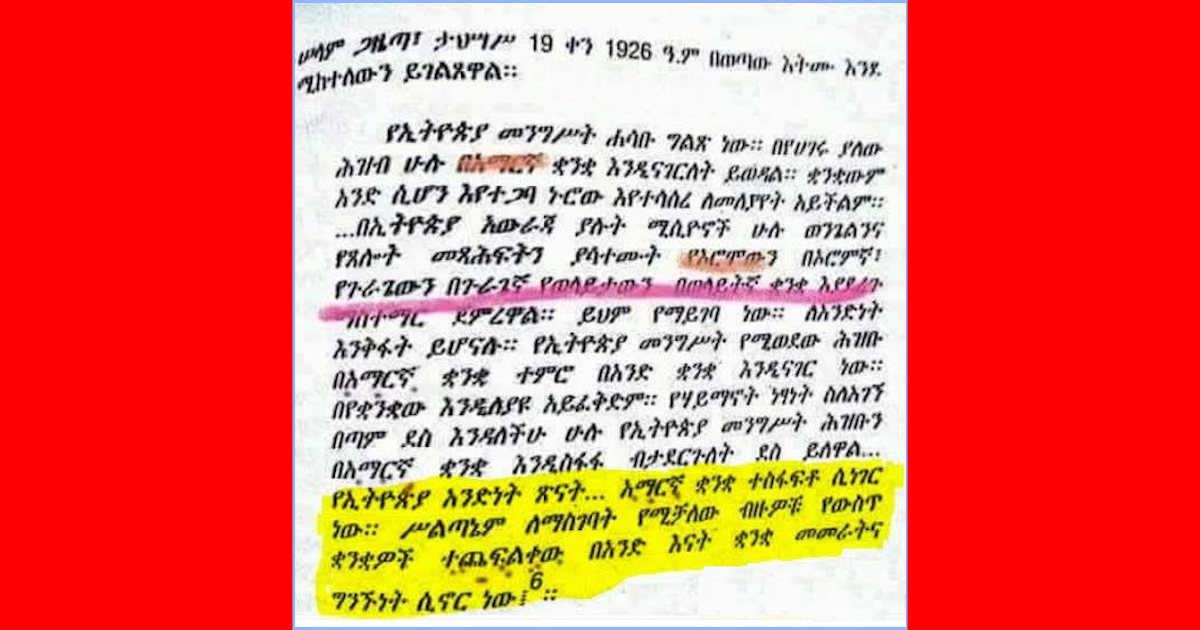
    Introduction Emperor Haile Selassie ascended to the throne on April 2, 1930. Just over a year later, on July 16, 1931, he promulgated the country’s first modern Constitution. In that founding document, the name “Ethiopia” was formally constitutionalized for the first time—replacing the historical name “Abyssinia.” This name change, however, did not gain international recognition...

    Read More How a False Unity of Mythical Ethiopia Was Manufactured Through Annexation and AssimilationContinue

Page navigation

1 2 Next PageNext

Archives

Recent Posts

  • Ethiopia Forward to the Past: The Politics of Nostalgia and the “Menelik Syndrome”
  • The Ethiopian Perspective Gap: Why Some Voices Sound Like Truth—and Others Like Rebuttal
  • One Song, Five Messages
  • Cui Bono? The Political Economy of Conflict and the Oromo Question
  • Ambo: Cruelty in Plain Sight — Violence, Impunity, and the Political Crisis in Oromia
  • Remembering Guyyaa Gootota Oromoo
  • Oromo Martyrs Day—April 15, 2026: Memory, Sacrifice, and the Unfinished Future of Oromia
  • The Peace Conference Without the Other Side
  • 7 Reasons Why There Can Be No Credible Electoral Process in an Empire Disintegrating Before Our Eyes
  • History Comes to the UN and Asks for a Vote

Authors

Categories

Recent Comments

  • webmaster on Remembering Guyyaa Gootota Oromoo
  • ejigu etana on Remembering Guyyaa Gootota Oromoo
  • ejigu etana on Remembering Guyyaa Gootota Oromoo
  • Raba Dori on Between Water at the Margins and SurvivalEnvironmental Precarity and the Political Economy of Inequality in Oromia
  • Dereje Hawas on Between Water at the Margins and SurvivalEnvironmental Precarity and the Political Economy of Inequality in Oromia
Facebook X YouTube TikTok Telegram

© 2026 OROMIA TODAY

Report an Incident

Tags Cloud

3000-Year Myth Aabbuu Seeraa Aabbuu Seeraa Airport Abiy Ahmed Afan Oromo Amhara Elite Amhara Fano Caffee Oromia Calii Tuulamaa ENDC Eritrea Ethiopian Empire EZEMA Faarseebulaa Fact-checking FearlessTayeDanda'a Finfinnee Gadaa Supercity GERD History & Memory IMF Indigenous Oromo Indigenous Rights Irreechaa Math Meets PP Myth MMPPM Moyale Multinational Federalism OLA OLF OLF-OLA OPDO/PP Oromia Oromo Questions Oromo Struggle Oromummaa PP Regime PP Regime Brutality Remembrance Safuu Shimelis Abdissa Somali Region Taye Danda'a TPLF Tribute
OROMIA TODAY
Manage Consent
To provide the best experiences, we use technologies like cookies to store and/or access device information. Consenting to these technologies will allow us to process data such as browsing behavior or unique IDs on this site. Not consenting or withdrawing consent, may adversely affect certain features and functions.
Functional Always active
The technical storage or access is strictly necessary for the legitimate purpose of enabling the use of a specific service explicitly requested by the subscriber or user, or for the sole purpose of carrying out the transmission of a communication over an electronic communications network.
Preferences
The technical storage or access is necessary for the legitimate purpose of storing preferences that are not requested by the subscriber or user.
Statistics
The technical storage or access that is used exclusively for statistical purposes. The technical storage or access that is used exclusively for anonymous statistical purposes. Without a subpoena, voluntary compliance on the part of your Internet Service Provider, or additional records from a third party, information stored or retrieved for this purpose alone cannot usually be used to identify you.
Marketing
The technical storage or access is required to create user profiles to send advertising, or to track the user on a website or across several websites for similar marketing purposes.
  • Manage options
  • Manage services
  • Manage {vendor_count} vendors
  • Read more about these purposes
View preferences
  • {title}
  • {title}
  • {title}
OROMIA TODAY
Manage Consent
To provide the best experiences, we use technologies like cookies to store and/or access device information. Consenting to these technologies will allow us to process data such as browsing behavior or unique IDs on this site. Not consenting or withdrawing consent, may adversely affect certain features and functions.
Functional Always active
The technical storage or access is strictly necessary for the legitimate purpose of enabling the use of a specific service explicitly requested by the subscriber or user, or for the sole purpose of carrying out the transmission of a communication over an electronic communications network.
Preferences
The technical storage or access is necessary for the legitimate purpose of storing preferences that are not requested by the subscriber or user.
Statistics
The technical storage or access that is used exclusively for statistical purposes. The technical storage or access that is used exclusively for anonymous statistical purposes. Without a subpoena, voluntary compliance on the part of your Internet Service Provider, or additional records from a third party, information stored or retrieved for this purpose alone cannot usually be used to identify you.
Marketing
The technical storage or access is required to create user profiles to send advertising, or to track the user on a website or across several websites for similar marketing purposes.
  • Manage options
  • Manage services
  • Manage {vendor_count} vendors
  • Read more about these purposes
View preferences
  • {title}
  • {title}
  • {title}
Scroll to top
  • Home
  • Articles
  • Editorial
  • News
  • Opinions
  • About
  • Contact
Search