Irreechaa as Ritual Repair: How Oromo Thanksgiving Supports National Healing—And Why It Draws Contestation
Excerpt
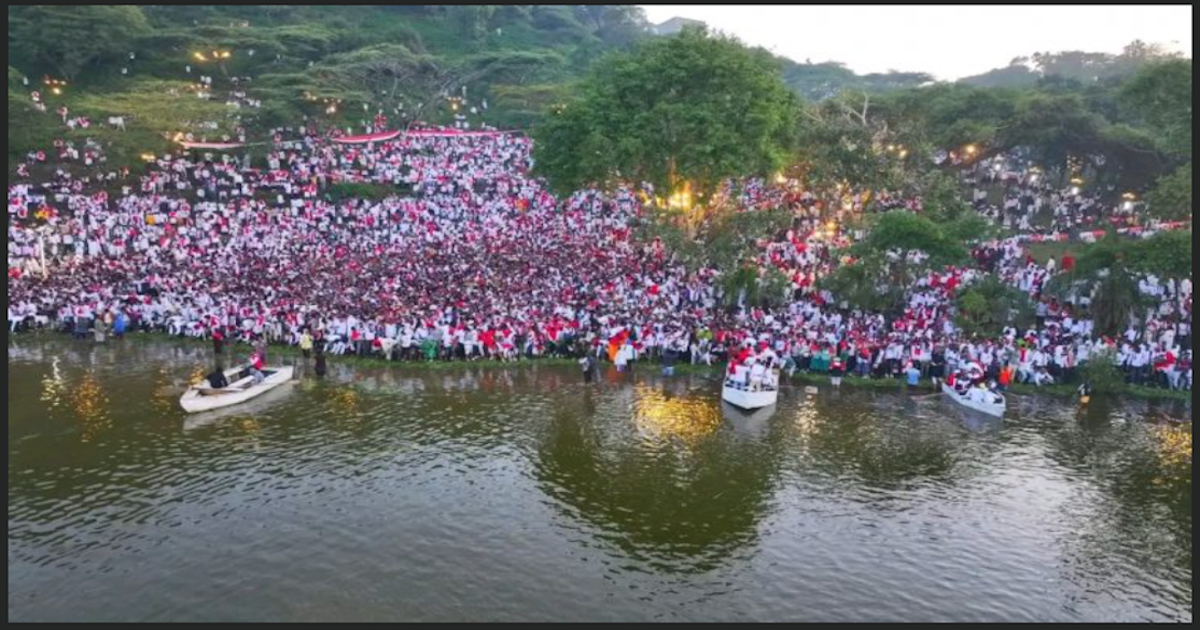
Irreechaa—the Oromo thanksgiving held at sacred waters like Hora Arsadii (Bishoftu) and Hora Finfinnee—does far more than mark seasonal change. Read through the lens of colonial/historical trauma and its inter-generational transmission, Irreechaa functions as cultural therapy: a cyclical, collective practice that restores dignity, cohesion, and hope after generations of political marginalization. The same symbolic power makes it a lightning rod for control and contestation by state security forces and rival national projects seeking to limit Oromo visibility in shared civic space.Theoretical Frame: From Historical Trauma to Ritual Repair
Scholars of historical/collective trauma describe how mass harms—conquest, repression of language/governance, forced assimilation—echo across generations as “cumulative, collective wounding,” transmitted through families and institutions. Healing requires shared remembrance, mourning, and culturally grounded practices that rebuild meaning and agency.
Anthropologists also show that public rituals generate communitas—an intense sense of togetherness—precisely by suspending everyday hierarchies. This “anti-structure” helps communities metabolize conflict and renew social bonds. Irreechaa’s choreography—pilgrimage, blessing, songs, elders’ leadership—fits this classic pattern.
Oromo Historical Context and the Meaning of Irreechaa Today
Late-19th-century imperial expansion integrated Oromo homelands into the Ethiopian Empire, with violent conquest in some regions and subsequent political-cultural subordination documented by Oromo and other scholars. Over the 20th century, Oromo institutions and language (e.g., aspects of the Gadaa system; public status of Afaan Oromoo) were constrained under successive regimes, even as realities varied by place and period. This historical arc helps explain why Irreechaa carries a strong restorative charge today.
Irreechaa itself—long constrained in the capital—has re-emerged over the past two decades as a mass affirmation of Oromo identity and gratitude, drawing millions to Bishoftu and, since 2019, to central Finfinnee.
Ritual as Collective Therapy
If historical trauma disperses people psychologically, Irreechaa re-centers them. The water blessing (symbolically washing away hardship), public prayers to Waaqa, and multi-generational participation enact three therapeutic functions:
Recognition: public visibility of Oromo history and values (including Gadaa-derived ideals of balance and reciprocity) counters internalized devaluation. Regulation: structured songs, movement, and shared timing calm bodies and synchronize emotion—key to healing collective stress. (This maps onto Brave Heart’s emphasis on communal mourning/education in trauma interventions.) Reconnection: communitas creates prosocial bonds that reduce isolation and renew civic agency—why many participants describe Irreechaa as both spiritual and political.
Recent coverage and commentary repeatedly link Irreechaa to peace, unity, and resilience, even amid conflict elsewhere.
Irreechaa’s scale and symbolism invite securitization. The 2016 Bishoftu tragedy—where security forces’ crowd control (including tear gas) triggered a stampede that killed scores, possibly hundreds—etched a deep trauma in collective memory and reinforced fears that peaceful cultural gatherings can be violently disrupted. Subsequent festivities in Finfinnee have often featured heavy policing, preemptive arrests, and restrictions that rights groups and observers criticize as disproportionate.
Why the Festival Draws Control and Contestation
a) The State-Security Lens
This pattern sustains a feedback loop: securitization communicates distrust of Oromo mass assembly; participants experience retraumatization; organizers double down on the festival’s identity-affirming message, which authorities then read as political mobilization.
b) Symbolic Struggles over the Capital
Because Finfinne is both national capital and a city embedded within Oromia, Irreechaa in the city inevitably touches a deeper debate over history, belonging, and symbols (e.g., flags, spaces like Dirree Araaraa/Meskel Square, processions). Media narratives and political actors contesting Oromo claims to space often frame the festival as “politicized,” while Oromo participants stress that cultural visibility is itself part of repair.
Policy and Practice Implications
Rights protection for cultural assembly: Guarantee non-discriminatory permits, independent crowd-safety oversight, and de-escalation-first policing to prevent repeats of 2016 and to avoid retraumatization.
Cultural-peace infrastructure: Recognize Irreechaa as an asset for social cohesion. Municipal investment in route planning, multilingual signage (including Afaan Oromoo), and trauma-informed first aid increases safety and symbolic inclusion.
Truth-telling and commemoration: Public acknowledgment of past harms (including 2016) and inclusive memorialization support communal grief work central to historical trauma healing.
Conclusion
Irreechaa’s power is double-edged: the very practices that heal—public recognition, shared emotion, embodied solidarity—also unsettle projects that rely on minimizing Oromo visibility. The path forward is not to shrink Irreechaa but to secure it: treat it as a national asset, protect rights equally, and let ritual do its quiet work of repair.
Selected References
- Human Rights Watch: detailed analysis of the 2016 Irreechaa deaths and security-force role; and broader Ethiopia rights trends. Human Rights Watch.
- Ethiopia: Dozens killed in Oromia festival stampede. 3 October 2016, Al Jazeera.
- Asafa Jalata, The Oromo Movement and Imperial Politics: Culture and Ideology in Oromia and Ethiopia. Google Books.
- Victor Turner, Roger Abrahams, Alfred Harris, The Ritual theory: Victor Turner’s The Ritual Process and subsequent summaries on communitas/anti-structure, Taylor & Francis. Group.
- Maria Y H Breaveheart, The Return to the Sacred Path: Reflections on the Development of Historical Trauma Healing, The Takini Institute.