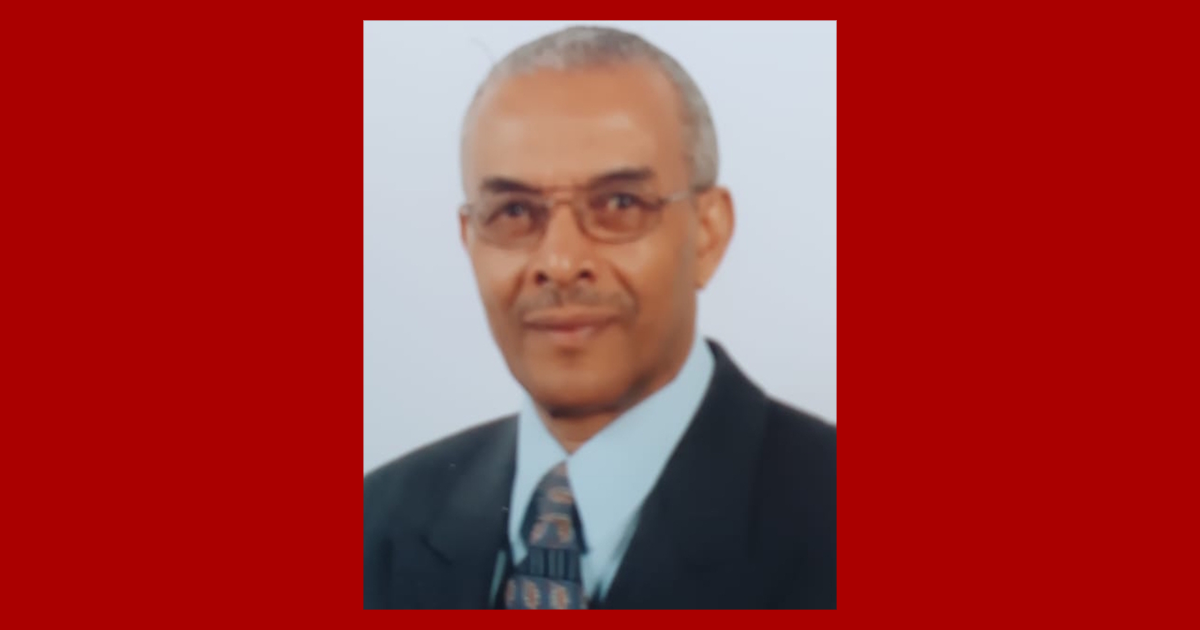
When Guardians Become Predators: A Cry from an Oromo Elder
Excerpt: Oromo Elder’s Warning
In this compelling personal note, an Oromo Elder speaks out on the spread of organized criminal groups and the collapse of moral order in Oromia. From Ambo to Shaggar and Finfinnee, from Adama to Shashamane and beyond, his words capture a painful reality: citizens are left defenseless as those in power enable injustice. The Oromo Elder urges prayer, action, and collective awakening to confront this dark moment before it defines the future.
An Oromo Elder’s Painful Reflection
The recent talk of the so-called “Garee 120”—the “Group 120,” or what many now call "Maafiya 120"—spreading across towns and cities in Oromia is more than passing news. It is a profound test of the Oromo soul and psyche.
At the outset, I must acknowledge Obbo Jawar Mohammed for bringing this matter to light. What he presented in his podcast just days ago shook me deeply. It is that shock—felt in the bones of an old man—that compelled me to write this personal note.
I write as someone who has lived beyond 85 years. Mine has been a life filled with meaning and pride. I have witnessed the birth of Oromia—a cause to which I dedicated my adult life. I saw Afaan Oromo rise into modern expression through Qubee, thanks to pioneers like Jaal Ibsaa Gutamaa who put Qubee into Oromia classrooms. I witnessed the growth of Oromo education, literature, media, and institutions.
It was never perfect. Much remained undone. But the direction was always forward—never backward.
That is why what we see today is so troubling.
I leave detailed analysis to experts. But one reality is painfully clear: our people are trapped in a cruel dilemma.
- What does a citizen do when those entrusted to protect them become the very agents of fear, injustice, and abuse?
- What do we call a situation where Oromos are beaten, robbed, humiliated, and terrorized—by fellow Oromos—while the perpetrators are shielded because they operate with the blessing of higher authorities?
This is not merely a failure of security. It is a collapse of moral order.
We must ask ourselves difficult questions:
- What has happened to the Oromo psyche?
- What has happened to the values that defined us?
In a painfully short span of time, we have lost figures whose names should have united and strengthened us:
- The 14 Karrayyuu Abbaa Gadaas—an institution Oromia lost in an instant
- Hachalu Hundessa
- Abduljabbar Hussein
- Daadhi Galaan
- Battee Urgeessaa,
- and many others, too long to list here
By many credible accounts, these tragedies bear the fingerprints of internal fracture—of Oromos turned against Oromos.
And now we face something even more disturbing.
Organized criminal networks are taking root in our towns. Their methods are clear: terror, intimidation, and extraction.
Their objectives appear equally clear: to suppress dissent, particularly against forces like OLA, while sustaining themselves through what increasingly resembles a systematized, almost “licensed” extortion—ransom demands, forced property seizures, business coercion, illegal trade, and inflated commodity surcharges as their fees.
- What kind of governance allows this?
- What does it mean when zone administrators, district officials, town mayors, and even police structures are perceived not as protectors—but as participants?
- Where, then, is justice to be found?
I ask myself, with a heavy heart: what is to become of Oromia?
What future awaits the Gadaa system—the democratic heritage we revere and hope to restore in modern form—if its foundational values are being hollowed out from within?
And yet, I struggle to hold onto hope.
- I WANT TO BELIEVE this is a dark passage, not a permanent condition. A painful deviation—not our destiny.
- I WANT TO BELIEVE that those who orchestrate and participate in this decay do not represent the true spirit of the Oromo people.
- I WANT TO BELIEVE that they are not Oromia's continuation—they are its contradiction.
They must be understood for what they are: an aberration. A rupture. A betrayal of everything Oromummaa stands for. These perpetrators must be rejected by Oromo communities and the people at large for they are the cancer of this gentle nation.
For Oromummaa is not merely identity—it is a moral covenant. One rooted in dignity, justice, equality, and collective responsibility.
Anything that stands against these is not Oromo in spirit—no matter who carries it out.
While much attention is now on the organized criminal networks in our towns—dubbed “Group 120”—we must not lose sight of another grave injustice unfolding more quietly, yet no less devastating.
Across Oromia, farmland is being seized in the name of “investment,” often by the very same networks of corrupt criminals. This is not development. It is dispossession.
The uprooting of Oromo peasants is not easing, set in motion over a century ago. It is accelerating—particularly in recent years under the PP regime of Oromia administration. Entire communities are being displaced, their voices silenced by fear of reprisal. At the same time, corrupt officials facilitate these transfers, turning land into personal windfalls worth millions almost overnight.
What protection exists for the powerless when grievance itself becomes dangerous?
It pains me deeply to witness Oromos inflicting such harm upon fellow Oromos—driven by greed, stripped of conscience, and emboldened by impunity.
And it is even more painful to see public officials abandon their solemn duty—choosing complicity over responsibility, and gain over justice.
A Final Word from the Struggle
I submit this note with humility and urgency. I requested OROMIA TODAY to publish it, and I am grateful they accepted. I am equally thankful for their editorial support, as English is not my first language.
But this message is not about language.
It is about truth.
It is about a harsh truth I never imagined I would live long enough to witness—a truth that wounds the soul of a people who have endured so much in pursuit of dignity and justice.
But even in this darkness, we must not surrender to despair.
Let us pray—with sincerity.
Let us act—with resolve.
Let us remain vigilant—with clarity of purpose.
And above all, let us ensure that this moment is remembered not as our undoing, but as a passing rupture—one we confront, correct, and leave behind.
With a renewed resolve for a just and free Oromia.
Jaal W. R.
A Veteran of Lifetime Oromo Struggle.
Related Materials
- Yadessa Guma, Ambo: Cruelty in Plain Sight — Violence, Impunity, and the Political Crisis in Oromia, 16 April 2026, OROMIA TODAY.
- Turtii Addaa Xiinxalaa Siyaasaa Jawaar Mohaammad Waliin Dhimma Maafiyaa 120 Irratti, 29 April 2026, Oromia Press YouTube Channel, YouTube.