Skip to content
OROMIA TODAY

OROMIA TODAY

Oromia is a Country

BAKKALCHA OROMIYAA
  • Home
  • Articles
  • Editorial
  • News
  • Opinions
  • About
  • Contact
OROMIA TODAY
OROMIA TODAY
Oromia is a Country
BAKKALCHA OROMIYAA
  • History
    Essay | Op-Ed | Politics | ⏭

    History Comes to the UN and Asks for a Vote

    By Olii Boran (PhD, Sociology) Posted on2026-03-262026-03-25

    A United Nations vote to condemn the enslavement of Africans and the trans-Atlantic slave trade should have been morally straightforward. Instead, the voting pattern revealed something deeper about the modern world: the past is never just the past. It lives in politics, memory, and responsibility, and sometimes history returns and asks the present to respond.

    Read More History Comes to the UN and Asks for a VoteContinue

  • PP Regime
    Article | Opinion | Politics | ⏭

    The PP Regime Now Has the Accolade: No Other Ethiopian Regime Has Acted Against the Oromo People So Intensely in Such a Short Time

    By Kumaa Daadhii (PhD, Political History) and Olii Boran (PhD, Sociology) Posted on2026-02-022026-02-01
    3 Comments

    The inauguration of the Shebele Resort near Jijigaa under the PP regime of PM Abiy Ahmed is more than a development event; it is a political statement. Held without Oromo representation in an Oromo city, and amid ongoing violence in eastern Oromia, the ceremony signals the normalization of exclusion and the quiet ratification of a long-contested administrative arrangement. What was once presented as a temporary “loan” of Jijigaa has now hardened into permanent political appropriation, with profound consequences for constitutional order and regional stability.

    Read More The PP Regime Now Has the Accolade: No Other Ethiopian Regime Has Acted Against the Oromo People So Intensely in Such a Short TimeContinue

  • fringe party
    Article | Op-Ed | Politics | ⏭

    Erasing Oromia: How a Fringe Party Exposed the Complacency and Paralysis of Oppressed Nations and Nationalities of the Ethiopian Empire

    By Elemoo Qilxuu (MA, Political Science) and Olii Boran (PhD, Sociology) Posted on2025-12-072025-12-06

    A fringe party’s audacious proposal to erase Oromia and other regions of the oppressed nations and nationalities has exposed a deeper crisis: the entrenched complacency and political paralysis of the majority. This is not merely the aggression of a fringe party attempting to erase Oromia and other regions; it is the predictable outcome of a majority conditioned to tolerate the intolerable. Ethiopia’s tragedy persists because boldness from the few meets silence from the many.

    Read More Erasing Oromia: How a Fringe Party Exposed the Complacency and Paralysis of Oppressed Nations and Nationalities of the Ethiopian EmpireContinue

  • Politics of Spite
    Article | Opinion | Politics | ⏭

    The Politics of Spite—How Oromia’s Foundations Expose the Empty Ambitions of a Troubled Region

    By Elemoo Qilxuu (MA, Political Science), Kumaa Daadhii (PhD, Political History) and Olii Boran (PhD, Sociology) Posted on2025-11-122025-11-09

    Oromia now faces a widening expansionist push—driven by local opportunists, reinforced by external actors, and carried along by a region long caught up in the politics of spite that has defined the Horn. These forces promote territorial fantasies that collapse under scrutiny. The article argues that only a free, self-determined Oromia can break this cycle, restoring stability to the Horn and creating the conditions for a genuine synergy of prosperity with its neighbors.

    Read More The Politics of Spite—How Oromia’s Foundations Expose the Empty Ambitions of a Troubled RegionContinue

  • Half-Blind
    Op-Ed | Politics | ⏭

    When Power Fears Light: The Parable of an Empire Half-Blind

    By Olii Boran (PhD, Sociology) Posted on2025-11-062025-11-03

    Ethiopia’s empire survived not through shared prosperity but through a half-blind fear of equality. Like the parable of rulers who preferred to lose one eye just to blind their people twice over, it clung to domination instead of development, coercion instead of consent. A century of brilliance was wasted on internal siege rather than nation-building. Yet a different future is possible — one built on voluntary partnership, equal dignity, and the courage to imagine freedom beyond imperial habit.

    Read More When Power Fears Light: The Parable of an Empire Half-BlindContinue

  • dead language
    Article | Op-Ed

    The Amhara Elites’ Monumental Failure in Insisting on a Dead Language for Primary Education

    By Olii Boran (PhD, Sociology) Posted on2025-09-182025-09-18

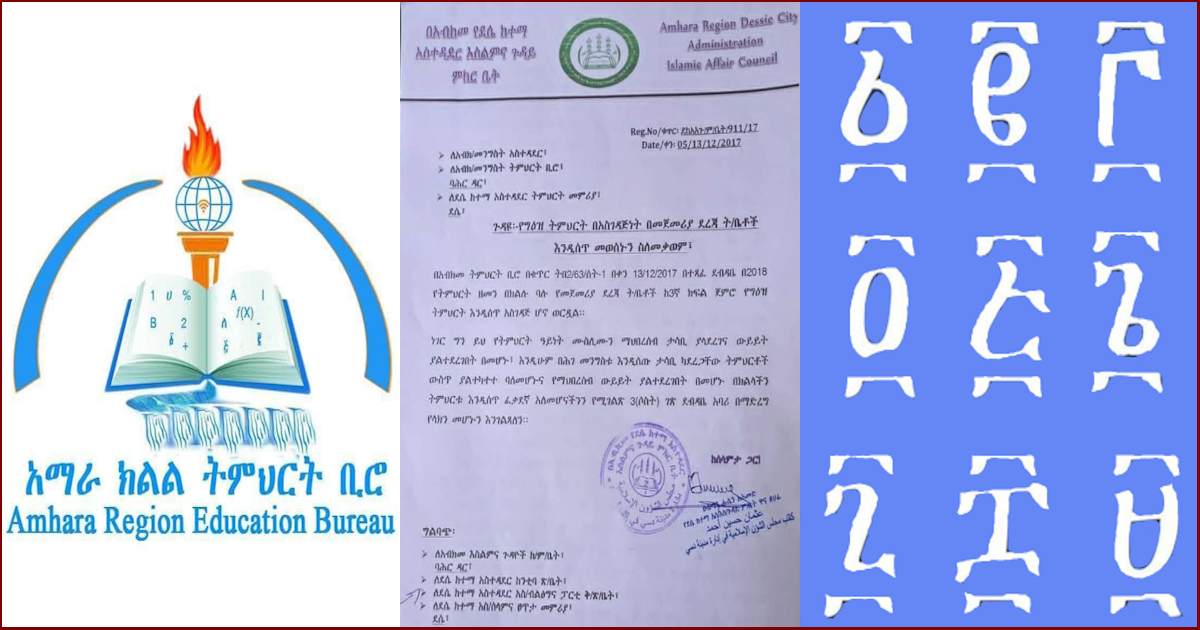
    The push to impose Ge'ez as a subject in Ethiopian primary schools in the Amhara region has reignited debate on the futility of elevating a dead language. Across history, such languages remain confined to liturgy or scholarship, never revived as mediums of modern schooling. Insisting otherwise is political miscalculation that risks alienation instead of cohesion.

    Read More The Amhara Elites’ Monumental Failure in Insisting on a Dead Language for Primary EducationContinue

  • Gentleperson
    Culture | Essay | Opinion | ⏭

    The Gentleperson Code: Part I—A Cross-Cultural Compass for Modern Dignity

    By Olii Boran Posted on2025-07-072025-07-07
    1 Comment

    Excerpt Across cultures, the gentleperson embodies timeless virtues: respect, integrity, empathy, and self-restraint. More than a gendered label or social rank, a gentleperson is a moral compass in action—graceful under pressure, humble yet firm, protective of others. In today’s noisy world, this quiet strength offers a powerful model of dignity and ethical leadership. The Rise...

    Read More The Gentleperson Code: Part I—A Cross-Cultural Compass for Modern DignityContinue

  • Faarseebulaa
    Article | Commentary | ⏭

    Digital Serfdom in Ethiopia: Faarseebulaa, Propaganda, and the Politics of Praise

    By Olii Boran (PhD, Sociology) and Ed Chapman (Digital Forensics Researcher) Posted on2025-05-222025-05-22

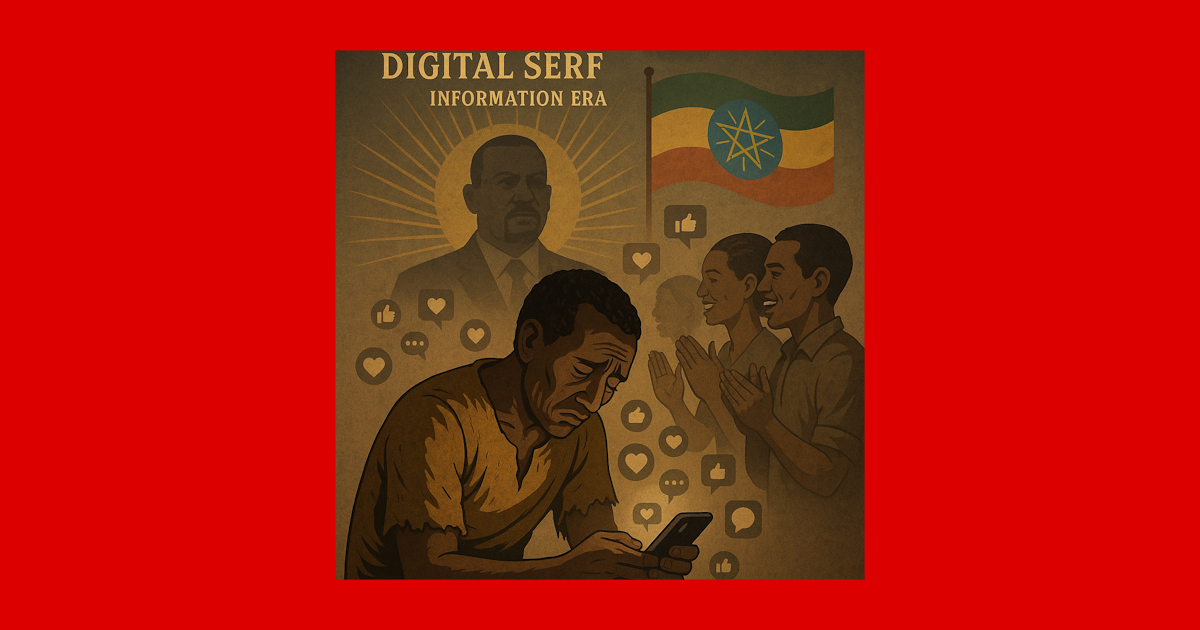
    Faarseebulaa refers to Ethiopia’s emerging class of Digital Serfs—individuals who voluntarily serve authoritarian systems through online propaganda. Unlike historical peasants or proletariats who resisted oppression, the Faarseebulaa defend it for personal gain, low self-worth, and limited awareness. They are not rulers, yet they passionately safeguard the system that exploits the majority.

    Read More Digital Serfdom in Ethiopia: Faarseebulaa, Propaganda, and the Politics of PraiseContinue

  • Dr Sisay Mengiste
    Article | Commentary | Opinion | ⏭

    When Lawmakers Fan Dangerous Flames: The Case of Dr Sisay Mengiste

    By Olii Boran Posted on2025-04-182025-04-18

    Questions for Troubling Rhetoric Where does freedom of speech end, and the incitement of dangerous, ethnically charged propaganda begin? At what point does public discourse shift from a right to speak one’s mind into a reckless abuse of influence—especially when the speaker holds public office in a fragile, multi-ethnic society? These are not abstract questions....

    Read More When Lawmakers Fan Dangerous Flames: The Case of Dr Sisay MengisteContinue

  • assimilation decree
    Article | Commentary | Verifiable History | ⏭

    How a False Unity of Mythical Ethiopia Was Manufactured Through Annexation and Assimilation

    By Olii Boran Posted on2025-04-092025-04-09

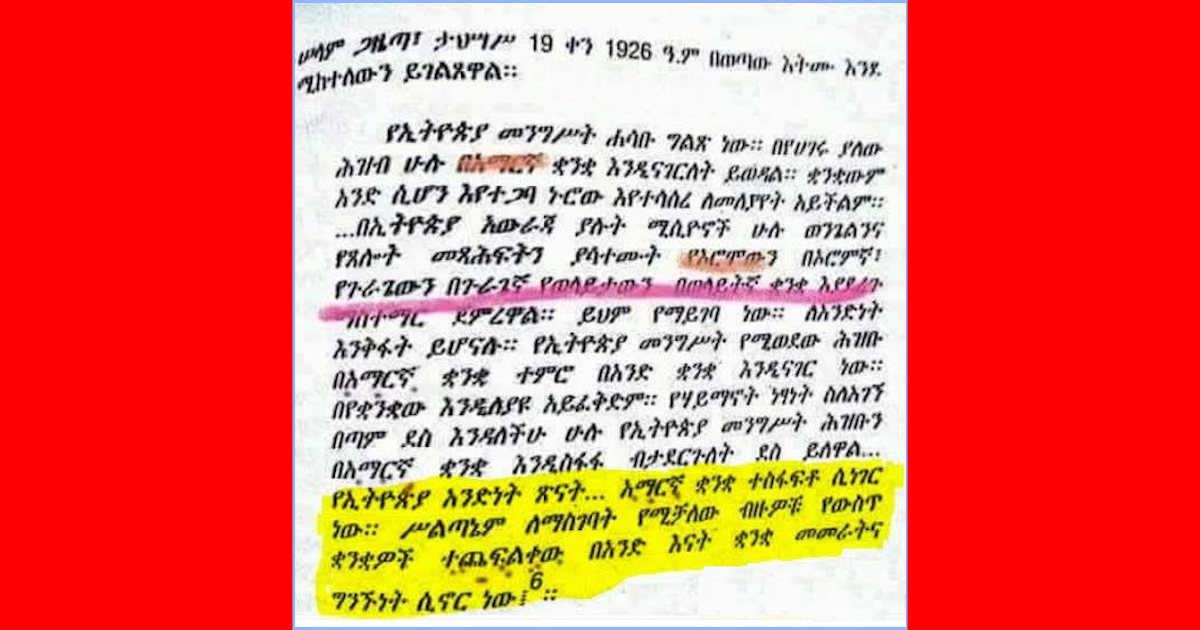
    Introduction Emperor Haile Selassie ascended to the throne on April 2, 1930. Just over a year later, on July 16, 1931, he promulgated the country’s first modern Constitution. In that founding document, the name “Ethiopia” was formally constitutionalized for the first time—replacing the historical name “Abyssinia.” This name change, however, did not gain international recognition...

    Read More How a False Unity of Mythical Ethiopia Was Manufactured Through Annexation and AssimilationContinue

  • "Systematic Dispossession of Oromia"
    Article | Commentary | Politics | ⏭

    The Systematic Dispossession of Oromia: Language Status Denied, Lands Mythologized and Engineered, Names Rewritten, and a Mountain Nearly Claimed

    By Olii Boran (PhD, Sociology) and Ed Chapman (Digital Forensics Researcher) Posted on2025-04-012025-03-31

     An Article by Invitation Introduction In the age of satellites, algorithms, and global awareness, one might assume that cultural denial has no place left to hide. And yet, Ethiopia—a multinational entity whose sociopolitical structure still bears the hallmarks of an unreconciled empire—continues to find creative ways to deny the Oromo people what is clearly, obviously,...

    Read More The Systematic Dispossession of Oromia: Language Status Denied, Lands Mythologized and Engineered, Names Rewritten, and a Mountain Nearly ClaimedContinue

  • Oromia
    Article | Opinion | Politics | ⏭

    A New Abyssinian Alliance in the Making and What it Means for Oromia

    By Olii Boran Posted on2025-03-192025-03-19

    Excerpt The crisis of Oromia can be summed up in a single, stark sentence: Oromia’s greatest hazard is its own wealth. The sheer abundance of its resources has drawn in competing forces, each vying for control. This relentless scramble has made the realization of Oromia’s self-determination—a cause championed for decades—an even more daunting challenge. Today,...

    Read More A New Abyssinian Alliance in the Making and What it Means for OromiaContinue

  • Ethiopia
    Op-Ed | Verifiable History | ⏭

    The Myth of Ethiopia’s Historical Continuity: A Political Invention Disguised as Legacy

    By Olii Boran Posted on2025-03-172025-03-18

    Synopsis The name Ethiopia is often presented as an unbroken historical identity, tracing back to ancient times. However, a closer examination of historical records, international registrations, and linguistic origins reveals that the name Ethiopia, as applied to a modern empire-state, lacks continuity before the 20th century. Instead, it was a political rebranding strategy, gaining official...

    Read More The Myth of Ethiopia’s Historical Continuity: A Political Invention Disguised as LegacyContinue

  • The Immutable Standard: The Politician Who Stands Like a Mountain
    Opinion | ⏭

    The Immutable Standard: The Politician Who Stands Like a Mountain

    By Olii Boran Posted on2025-02-202025-02-21

    There exists, in the crumbling, treacherous landscape of modern politics, a rare and nearly mythical figure—the Politician of Unyielding Principle. Unlike the fair-weather careerists who slither from one political feast to another, sniffing for power like a desperate hound at a butcher’s door, this individual is cut from stone, his convictions carved deep, immovable, impervious...

    Read More The Immutable Standard: The Politician Who Stands Like a MountainContinue

  • Leading by Chaos, Not Competence
    Article | Politics | ⏭

    Leading by Chaos, Not Competence

    By Olii Boran Posted on2024-12-042025-01-22

    by Olii Boran, PhD (an article by invitation) Leadership, often idealized as a mechanism for fostering stability, driving progress, and leaving behind a positive legacy, can also be manipulated as a tool for perpetuating dysfunction. "Leading by chaos, not competence" encapsulates a leadership strategy where chaos is not an accident, but a deliberate tool used...

    Read More Leading by Chaos, Not CompetenceContinue

  • Not Poor But Dispossessed
    Article | Human Rights | ⏭

    Not Poor But Dispossessed

    By Olii Boran Posted on2024-12-012025-01-21

    Excerpt: She is not poor but dispossessed. The tear-streaked face of an Oromo woman from northern Oromia, captured in a single haunting photograph, tells a story of systemic betrayal. Her sadness is not born of fate but of deliberate cruelty—of a government that abandoned her, of militias that stole her land, and of institutions that...

    Read More Not Poor But DispossessedContinue

Page navigation

1 2 Next PageNext

Archives

Recent Posts

  • Ethiopia Forward to the Past: The Politics of Nostalgia and the “Menelik Syndrome”
  • The Ethiopian Perspective Gap: Why Some Voices Sound Like Truth—and Others Like Rebuttal
  • One Song, Five Messages
  • Cui Bono? The Political Economy of Conflict and the Oromo Question
  • Ambo: Cruelty in Plain Sight — Violence, Impunity, and the Political Crisis in Oromia
  • Remembering Guyyaa Gootota Oromoo
  • Oromo Martyrs Day—April 15, 2026: Memory, Sacrifice, and the Unfinished Future of Oromia
  • The Peace Conference Without the Other Side
  • 7 Reasons Why There Can Be No Credible Electoral Process in an Empire Disintegrating Before Our Eyes
  • History Comes to the UN and Asks for a Vote

Authors

Categories

Recent Comments

  • webmaster on Remembering Guyyaa Gootota Oromoo
  • ejigu etana on Remembering Guyyaa Gootota Oromoo
  • ejigu etana on Remembering Guyyaa Gootota Oromoo
  • Raba Dori on Between Water at the Margins and SurvivalEnvironmental Precarity and the Political Economy of Inequality in Oromia
  • Dereje Hawas on Between Water at the Margins and SurvivalEnvironmental Precarity and the Political Economy of Inequality in Oromia
Facebook X YouTube TikTok Telegram

© 2026 OROMIA TODAY

Report an Incident

Tags Cloud

3000-Year Myth Aabbuu Seeraa Aabbuu Seeraa Airport Abiy Ahmed Afan Oromo Amhara Elite Amhara Fano Caffee Oromia Calii Tuulamaa ENDC Eritrea Ethiopian Empire EZEMA Faarseebulaa Fact-checking FearlessTayeDanda'a Finfinnee Gadaa Supercity GERD History & Memory IMF Indigenous Oromo Indigenous Rights Irreechaa Math Meets PP Myth MMPPM Moyale Multinational Federalism OLA OLF OLF-OLA OPDO/PP Oromia Oromo Questions Oromo Struggle Oromummaa PP Regime PP Regime Brutality Remembrance Safuu Shimelis Abdissa Somali Region Taye Danda'a TPLF Tribute
OROMIA TODAY
Manage Consent
To provide the best experiences, we use technologies like cookies to store and/or access device information. Consenting to these technologies will allow us to process data such as browsing behavior or unique IDs on this site. Not consenting or withdrawing consent, may adversely affect certain features and functions.
Functional Always active
The technical storage or access is strictly necessary for the legitimate purpose of enabling the use of a specific service explicitly requested by the subscriber or user, or for the sole purpose of carrying out the transmission of a communication over an electronic communications network.
Preferences
The technical storage or access is necessary for the legitimate purpose of storing preferences that are not requested by the subscriber or user.
Statistics
The technical storage or access that is used exclusively for statistical purposes. The technical storage or access that is used exclusively for anonymous statistical purposes. Without a subpoena, voluntary compliance on the part of your Internet Service Provider, or additional records from a third party, information stored or retrieved for this purpose alone cannot usually be used to identify you.
Marketing
The technical storage or access is required to create user profiles to send advertising, or to track the user on a website or across several websites for similar marketing purposes.
  • Manage options
  • Manage services
  • Manage {vendor_count} vendors
  • Read more about these purposes
View preferences
  • {title}
  • {title}
  • {title}
OROMIA TODAY
Manage Consent
To provide the best experiences, we use technologies like cookies to store and/or access device information. Consenting to these technologies will allow us to process data such as browsing behavior or unique IDs on this site. Not consenting or withdrawing consent, may adversely affect certain features and functions.
Functional Always active
The technical storage or access is strictly necessary for the legitimate purpose of enabling the use of a specific service explicitly requested by the subscriber or user, or for the sole purpose of carrying out the transmission of a communication over an electronic communications network.
Preferences
The technical storage or access is necessary for the legitimate purpose of storing preferences that are not requested by the subscriber or user.
Statistics
The technical storage or access that is used exclusively for statistical purposes. The technical storage or access that is used exclusively for anonymous statistical purposes. Without a subpoena, voluntary compliance on the part of your Internet Service Provider, or additional records from a third party, information stored or retrieved for this purpose alone cannot usually be used to identify you.
Marketing
The technical storage or access is required to create user profiles to send advertising, or to track the user on a website or across several websites for similar marketing purposes.
  • Manage options
  • Manage services
  • Manage {vendor_count} vendors
  • Read more about these purposes
View preferences
  • {title}
  • {title}
  • {title}
Scroll to top
  • Home
  • Articles
  • Editorial
  • News
  • Opinions
  • About
  • Contact
Search