Haacaaluu Hundeessaa: Six Years On, the Music Remains, the Questions Endure

Excerpt
Six years after Haacaaluu Hundeessaa was silenced, the political landscape he left behind has become, in the eyes of many, a spectacle of political inversion. Events that would likely make Haacaaluu turn in his grave continue to unfold, as symbols, institutions, and aspirations associated with Oromo self-determination appear increasingly at odds with contemporary political realities.
Six Years Later, the Silence Still Speaks
Six years have passed since the assassination of Haacaaluu Hundeessaa on June 29, yet time has done little to diminish the sense of loss felt by millions. For many Oromo people, Haacaaluu was more than a singer, more than an artist, and more than a public figure. He was a voice that articulated collective pain, historical memory, aspiration, and dignity. His songs transformed suffering into poetry and converted silence into resistance.
The Questions That Were Never Answered
What perhaps remains most disturbing is that the system under which Haacaaluu was assassinated never appeared genuinely interested in uncovering the full truth about why he was killed or who ordered his elimination. The absence of a determined search for truth has itself become a source of lingering suspicion. Justice delayed is often justice denied; justice neglected deepens wounds that never truly heal.
Everyone knew what Haacaaluu stood for. He sang unapologetically about freedom, identity, memory, and the unfinished journey of the Oromo people toward self-determination and political dignity. He gave melody to aspirations that had long been suppressed and gave confidence to a generation determined to reclaim its voice. In that sense, many believe the question of why he was eliminated was never particularly difficult to answer.
The events that have unfolded in Oromia and Ethiopia in the years since his death have only strengthened the conviction among many that Haacaaluu's message touched the very fault lines of power.
A Spectacle of Political Inversion
Were he alive today, one wonders what verses Haacaaluu would compose about the political theatre unfolding before our eyes. One recent episode in particular would surely have provided ample material for his pen.
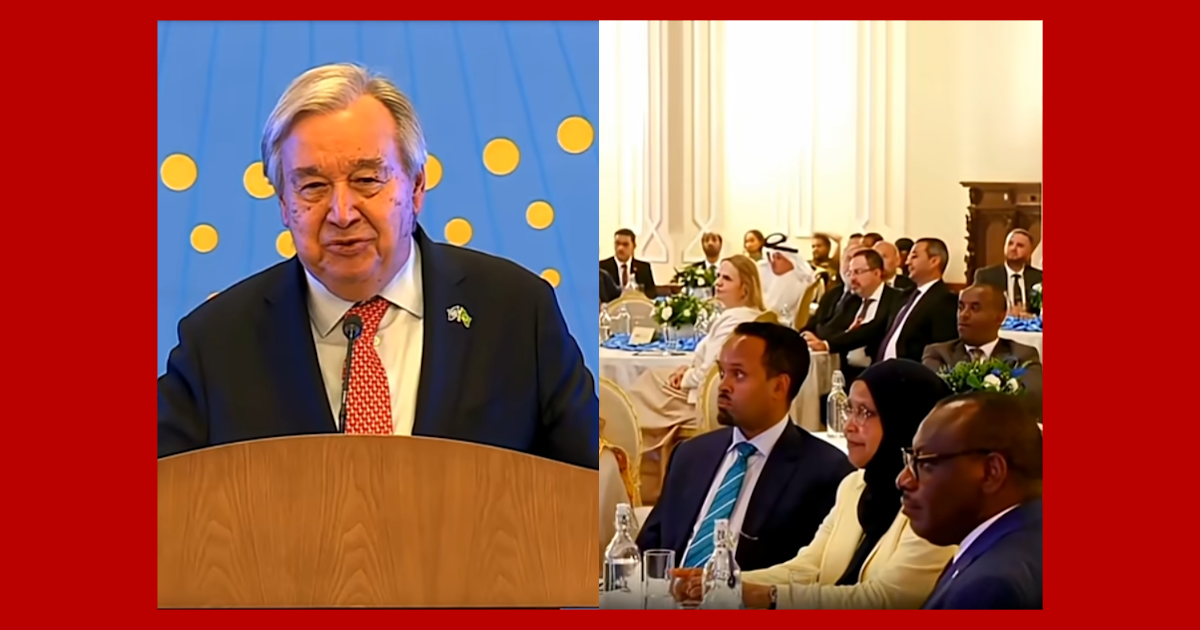
A party established in the name of Oromo liberation, OLF, is left without representation, while political forces, including EZEMA, openly on a mission to dismantle Oromia's multinational federal foundations and even dismissive of any thing Oromo and Oromia, including the Gadaa heritage find themselves represented in institutions meant to embody Oromo self-governance.
To many observers, this appears not merely paradoxical but almost surreal — a form of political inversion so striking that it seems designed to provoke bewilderment as much as compliance.
For this achievement, the PP regime will assuredly occupy a place in the Oromo annals of history—not as custodians of Oromo aspirations, but as architects of one of the most remarkable spectacles of political inversion in recent memory. Likewise, for Haacaaluu, the regime will no doubt be remembered for not fulfilling the aspirations embodied in his songs, but for producing a spectacle that would likely have inspired one of his most poignant and biting verses.
What has transpired since Haacaaluu's death often resembles a spectacle of political inversion—one that would make him turn in his grave.
Perhaps the most fitting expression is political absurdism, or even calculated political mockery — a spectacle seemingly intended to deepen frustration while rewarding those perceived as ideological adversaries. Haacaaluu possessed a rare gift for exposing contradictions through metaphor, irony, and melody. One can only imagine how he might have transformed such a moment into lyrics capable of capturing both anguish and defiance.
June Is Still Haacaaluu’s Month
Yet Haacaaluu's enduring significance lies not only in how he died, but in what he continues to represent. His songs remain alive because the conditions that inspired them have not entirely disappeared. His memory persists because the aspirations he voiced continue to resonate. And every June, people are reminded that some individuals transcend biography and become symbols.
June has indeed become Haacaaluu's month.
It is the month in which memory refuses to fade, in which songs become testimonies, and in which a nation remembers a son whose voice was silenced but whose message was not.
Six years later, Haacaaluu Hundeessaa still speaks — through the melodies that survived him, through the questions that remain unanswered, and through the hopes of those who still believe that truth, dignity, and freedom are causes worth singing for.
References
- OT Editorial, Hacaaluu Hundeessa: A Loss That Shook the Soul of a Nation, 1 June 2025, OROMIA TODAY.
- OT Editorial, June is Hacaaluu's Month, 1 June 2025, OROMIA TODAY.