The Politics, Ambiguity, and Practical Limits of Self-Determination
Excerpt
Self-determination is one of the most powerful yet abused ideas in modern politics. It promises that peoples can choose their own fate, but repressive regimes, cautious diplomats, and even opportunistic movements often turn it into a hollow slogan. This essay unpacks what self-determination really means, how it is weaponized or diluted, and when it becomes a practical political pathway for those who dare to claim it.
Self-Determination: A Powerful but Elastic Idea
Few political terms carry as much moral authority yet as much deliberate ambiguity as self-determination. It appears in UN documents, rebel manifestos, constitutional preambles, and diplomatic speeches, claimed both by oppressed peoples and by the states that dominate them.
In international law, self-determination means that a people has the right to freely determine its political status and pursue its economic, social, and cultural development. The UN Charter, the ICCPR, and the ICESCR all affirm this principle in similar terms.
But these elegant formulas leave a crucial question open. They do not say what the final outcome must be. Self-determination is affirmed as a right, but independence is neither required nor forbidden.
Superset or Subset? Independence and Self-Determination
This leads to a conceptual clarification that is often missed in political debate. Self-determination is best understood as the superset, and independence as one of its possible subsets. The right is to choose; the outcome can vary.
A people might choose independence, but it might also choose autonomy, federal restructuring, confederal arrangements, or robust cultural and linguistic self-rule within an existing state. All of these can, in principle, be expressions of self-determination if they are freely chosen.
Independence, therefore, is not the definition of self-determination. It is one legitimate path within a wider field of options. Any use of the term that equates it strictly with secession or, conversely, strictly denies that possibility, is already narrowing its meaning for political convenience.
Why Movements Love the Word “Self-Determination”
Given this flexibility, it is no surprise that political movements often adopt self-determination as a motto. It sounds principled, dignified, and modern, yet it does not immediately commit the movement to a specific end-state in the eyes of different audiences.
For supporters who dream of independence, self-determination can be heard as a step toward sovereignty. For moderates, it can sound like a demand for reform, autonomy, or federal restructuring. For the international community, it fits comfortably into the language of human rights and international norms.
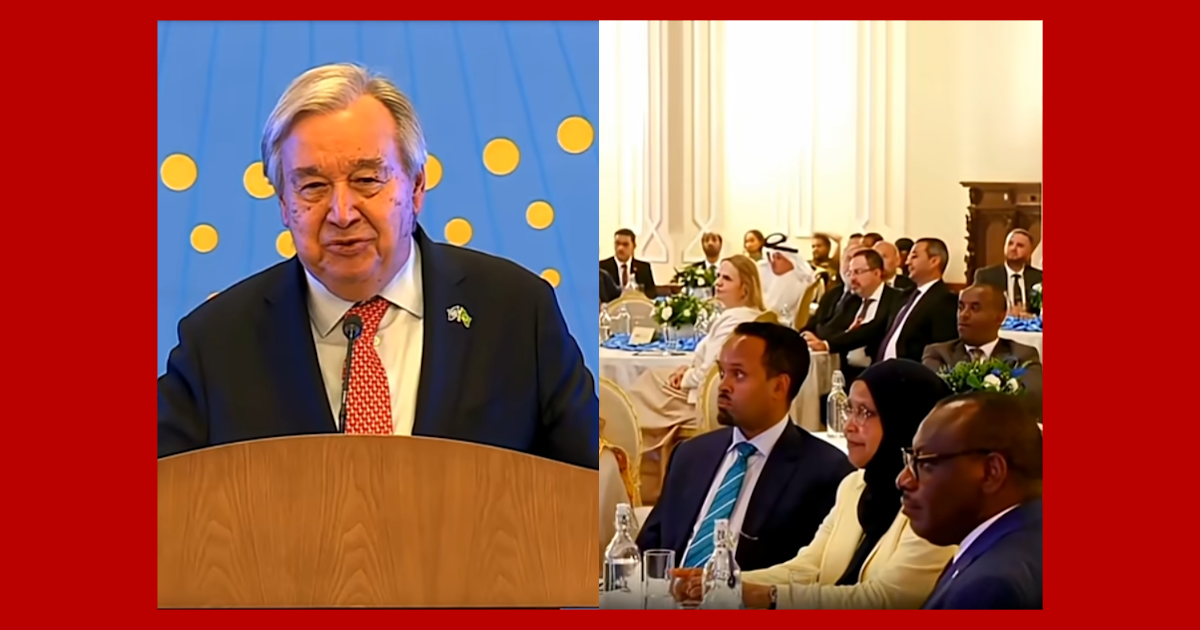
Diplomats and international organizations, from the UN outward, are especially fond of such terms. Self-determination allows them to speak of justice and rights without explicitly endorsing border changes, secession, or new states that might destabilize regional balances.
Authoritarian governments, too, may tolerate the term in their constitutions or rhetoric because it is vague enough to manipulate. They can claim to respect self-determination while blocking every meaningful mechanism that would allow it to be exercised.
Three Faces of Self-Determination in Political Practice
Not every use of self-determination by a movement is the same. Broadly, its use tends to fall into three patterns: genuine, strategic, and cynical. Distinguishing between them is crucial for understanding both rhetoric and reality.
First, there is the genuine use. Here, the movement truly believes that the people must decide their future through some form of democratic process. Independence, autonomy, or a renewed constitutional settlement are all on the table, and the leadership is committed to respecting the outcome, whatever it is.
Second, there is the strategic use. In this case, the movement privately prefers independence but publicly uses the language of self-determination to avoid immediate repression, reduce international alarm, or hold together a broad internal coalition. This is not necessarily dishonest; under hostile conditions, blunt clarity can invite annihilation, while carefully chosen language can buy space and time.
Third, there is the cynical use. Here, leaders invoke self-determination as a slogan without any serious intention of delivering concrete pathways, such as referenda, negotiated frameworks, or constitutional proposals. The term becomes a smokescreen, a way to sound principled while avoiding commitments, shifting positions, or keeping followers in a state of permanent expectation.
The same word therefore can either express a deep democratic principle, a cautious strategic posture, or a hollow piece of political theater. The difference lies not in the vocabulary but in the structures and paths built behind it.
When Self-Determination Meets Repression
All of this remains theoretical unless we confront the hardest question:
Can self-determination be practical under a repressive regime?
The honest answer is that, under normal circumstances, it cannot be fully realized.
For self-determination to operate in practice, at least four conditions are needed:
- freedom to organize,
- freedom to articulate political alternatives,
- freedom to mobilize, and
- some recognized mechanism through which the people can express their will, such as elections or referenda.
Repressive regimes systematically destroy these conditions. They outlaw organizations, criminalize dissent, censor the media, distort information, infiltrate movements, arrest or assassinate leaders, and use security forces, courts, and surveillance to ensure no genuine collective choice can be made.
In such contexts, self-determination may appear in constitutional text or official speeches, but only as a decorative principle. The reality on the ground is that any attempt to exercise that right is met with force, manipulation, or sabotage.
How Authoritarian States Hollow Out Self-Determination
Authoritarian governments rarely attack self-determination as a principle; they prefer to empty it of substance while continuing to recite it. They may create nominal federal units that lack real power or offer cultural recognition without political authority.
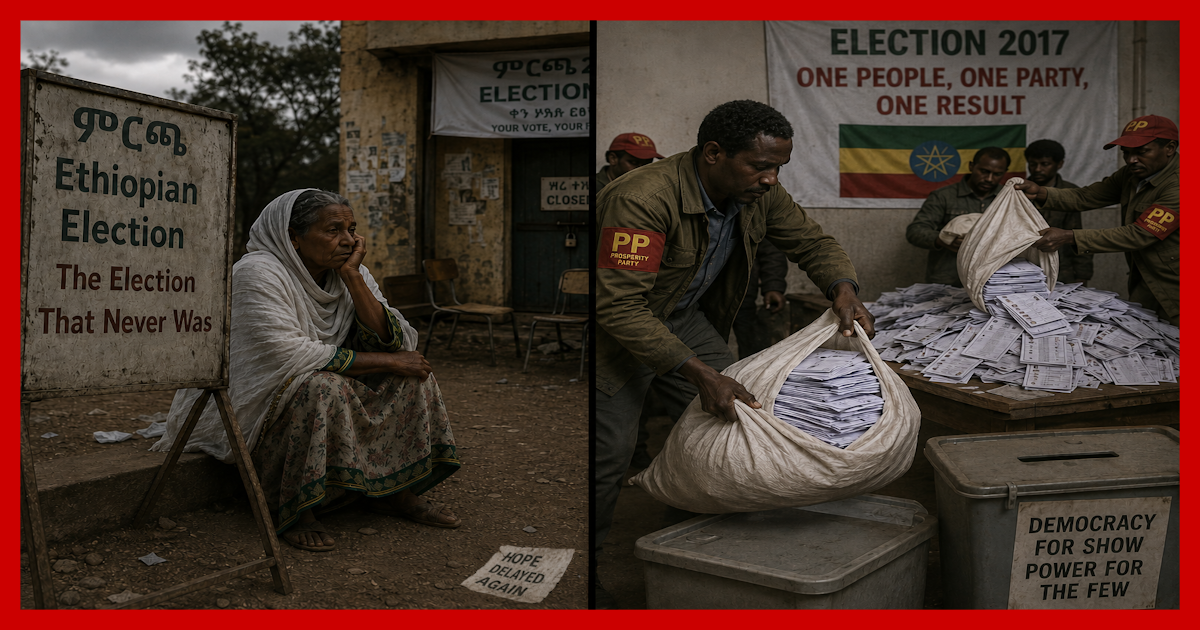
They may talk of “unity in diversity” while denying local communities control over security, justice, or economic resources. They may promise referenda that are never held, or they may stage votes that are tightly controlled, heavily rigged, or conducted under conditions of intimidation.
Meanwhile, divide-and-rule tactics are used to fracture movements along ethnic, regional, or ideological lines. State-sponsored counter-narratives brand those who demand meaningful self-determination as extremists or traitors, while loyalists are elevated to claim that the existing order already respects local rights.
Under these conditions, self-determination risks becoming a hollow mantra. It exists on paper and in speeches, but it has no practical channel through which the people can act as the subject of their own political destiny.
Power Shifts: When Self-Determination Becomes Real
History shows that real self-determination under repression emerges only when the balance of power shifts. This can happen through internal transformation, external pressure, regime weakening, or a combination of all three.
Internally, oppressed communities may build leverage through mass mobilization, civil disobedience, underground organization, diaspora networks, or, in some cases, armed struggle. When maintaining the status quo becomes more costly for the regime than negotiating change, new possibilities open.
Externally, geopolitical shifts can force a regime to accept pathways it would otherwise reject. Sanctions, diplomatic isolation, regional pressure, or changing alliances can all create a context in which self-determination becomes more than a phrase.
Sometimes, regime collapse or deep crisis creates openings. Economic breakdown, leadership splits, civil war, or widespread legitimacy loss may leave the existing state too weak to impose its will as before. In such moments, constitutional referenda, negotiated transitions, or unilateral assertions of independence can emerge as live options.
In almost every historical case, self-determination did not become real because governments suddenly embraced principle. It became real because power realities changed to such an extent that new outcomes could no longer be resisted.
This leads to a blunt conclusion: self-determination is not simply granted from above. It is enabled by leverage, pressure, and sometimes rupture. Without these, it remains a moral right trapped in a hostile structure.
Structures, Not Slogans: The Real Test of Sincerity
Because of this, the sincerity of a movement’s commitment to self-determination cannot be judged by words alone. The real test is whether it builds the structures, ideas, and roadmaps that could make the right actionable when conditions permit.
A movement that truly believes in self-determination works to develop political consciousness among the people. It explores constitutional options, sketches models for autonomy or independence, and seeks alliances and diplomatic channels that might one day support a transition.
It also commits, at least in principle, to some mechanism that places the final decision in the hands of the people themselves: a referendum, a constituent assembly, or another recognizable democratic process. In other words, it treats self-determination not only as a slogan, but as a future institutional reality.
By contrast, a movement that endlessly repeats the word while refusing to clarify any path, mechanism, or destination is almost certainly engaging in cynical use. Here self-determination is a shield for leaders rather than a compass for the people.
Rethinking Self-Determination as a Political Motto
Given all this, should movements continue to use self-determination as their central motto? The answer is yes, but only if they are prepared to move beyond its cynical deployment and invest in its genuine or at least strategic use.
Genuine use means affirming that the people will decide and that the leadership is ready to accept the result, whether that is autonomy, federal restructuring, or independence. Strategic use, under repression, accepts that some ambiguity may be necessary, but still builds toward real mechanisms of choice when the opportunity arises.
What movements should avoid is hiding forever behind the ambiguity of the term. If a regime consistently blocks any serious pathway to self-determination, then movements owe their people honesty about the implications.
Instead of treating self-determination as a permanent fog, they should state clearly that if a true self-determination process is denied, they will be compelled to aim openly for full autonomy, confederal reordering, or outright independence as the only remaining ways to give the people control over their fate.
Conclusion: From Cynical Slogans to Honest Paths
Self-determination remains one of the most powerful ideas in modern politics. It carries the promise that peoples are not objects of history but subjects of their own destiny. Yet its very openness has made it vulnerable to manipulation, dilution, and cynical use.
Under repressive regimes, self-determination is rarely practical in the short term. It becomes real only when power relations shift, whether through internal mobilization, external pressure, or the weakening of the state. Until then, it lives as a moral claim pressing against a hostile reality.
For political movements, the challenge is to treat self-determination not as a permanent camouflage but as a principle that demands clarity over time. They may need strategic ambiguity in the face of repression, but they should not use the term to hide a lack of conviction or a fear of naming their true goals.
The way forward is to nurture the genuine and strategic uses of self-determination and to abandon the cynical. Movements should make it explicit that if a regime refuses to allow a real self-determination pathway, they will be driven, by both logic and duty, to pursue full autonomy up to and including independence.
Only then does self-determination recover its integrity: not as a convenient slogan, but as a serious commitment to ensuring that a people’s fate is decided by the people themselves.
References
- UN Charter (Article 1):UN Charter (Article 1): (provides full text including Article 1)
- International Covenant on Civil and Political Rights (ICCPR): (official full text)
- International Covenant on Economic, Social and Cultural Rights (ICESCR): (official full text and details).