Skip to content
OROMIA TODAY

OROMIA TODAY

Oromia is a Country

BAKKALCHA OROMIYAA
  • Home
  • Articles
  • Editorial
  • News
  • Opinions
  • About
  • Contact
OROMIA TODAY
OROMIA TODAY
Oromia is a Country
BAKKALCHA OROMIYAA
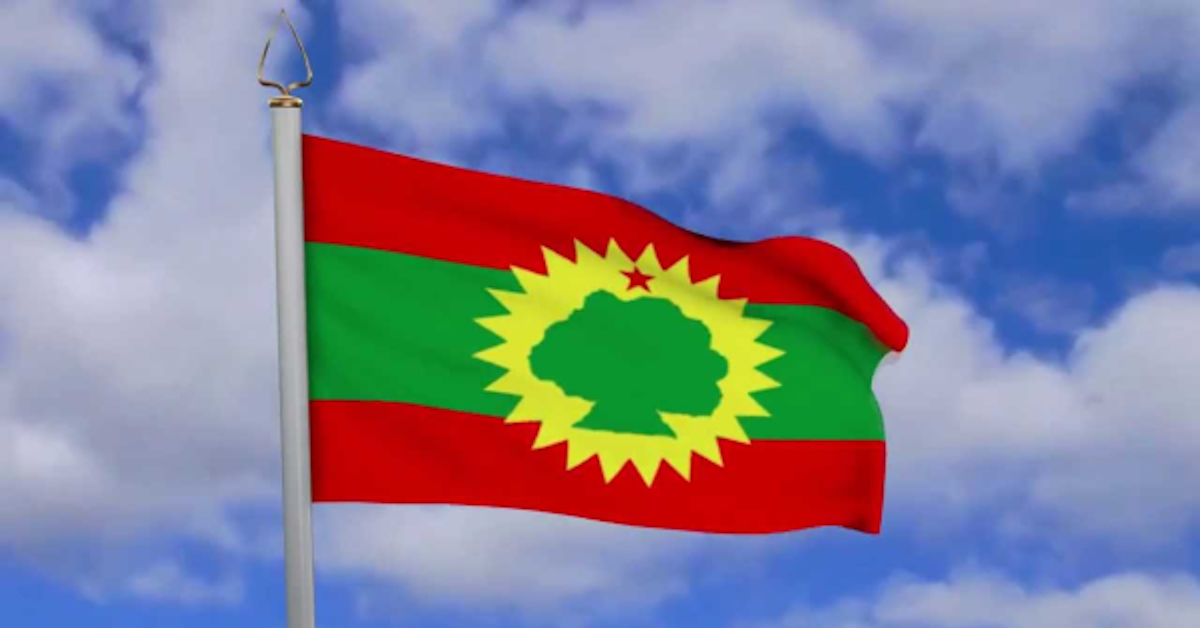
  • Oromo self-determination
    Op-Ed | Opinion | ⏭

    Why Oromia’s Future Demands Clarity: Independence vs. “Democritizing Ethiopia”

    By Yadessa Guma (PhD, Anthropology) Posted on2025-11-242025-11-24

    This article examines the evolving debate over Oromo self-determination any time soon, contrasting the independence path with the argument for democratizing Ethiopia’s federation. Grounded in constitutional analysis, human rights reporting, security trends, and long-term governance patterns, it evaluates which option aligns with the lived realities in Oromia today. The evidence increasingly challenges assumptions about a reformable Ethiopian state, raising critical questions about whether a monitored Article 39 referendum is now the most credible way to resolve the Oromo self-determination question.

    Read More Why Oromia’s Future Demands Clarity: Independence vs. “Democritizing Ethiopia”Continue

  • Half-Blind
    Op-Ed | Politics | ⏭

    When Power Fears Light: The Parable of an Empire Half-Blind

    By Olii Boran (PhD, Sociology) Posted on2025-11-062025-11-03

    Ethiopia’s empire survived not through shared prosperity but through a half-blind fear of equality. Like the parable of rulers who preferred to lose one eye just to blind their people twice over, it clung to domination instead of development, coercion instead of consent. A century of brilliance was wasted on internal siege rather than nation-building. Yet a different future is possible — one built on voluntary partnership, equal dignity, and the courage to imagine freedom beyond imperial habit.

    Read More When Power Fears Light: The Parable of an Empire Half-BlindContinue

  • divorce
    Op-Ed | Politics | ⏭

    Peaceful Divorce, Shared FutureHow voluntary sovereignty + economic interdependence could turn Ethiopia’s zero-sum politics into shared prosperity.

    By Yadessa Guma (PhD, Anthropology) Posted on2025-11-042025-11-03
    1 Comment

    Ethiopia’s century-long attempt to centralize diverse nations has produced recurring conflict, mistrust, and economic stagnation. A peaceful, lawful divorce — followed by a rules-based common economic area — offers a path to turn zero-sum politics into shared prosperity. Article 39 provides the consent mechanism; AfCFTA/IGAD/COMESA/EAC offer ready economic scaffolding. If one flag cannot deliver peace and dignity, multiple flags cooperating through open markets and guaranteed corridors may finally do

    Read More Peaceful Divorce, Shared FutureHow voluntary sovereignty + economic interdependence could turn Ethiopia’s zero-sum politics into shared prosperity.Continue

  • Dire Dhawa
    Op-Ed | Politics | ⏭

    When Dirre Dhawa Becomes a Claim — And Truth Becomes a Weapon

    By Elemoo Qilxuu (MA, Political Science) Posted on2025-11-042025-11-04

    A recent viral clip shows a young Somali man boldly claiming Dirre Dhawa as Somali land — a moment that might seem laughable if it didn’t reflect a deeper anxiety and the politics of manufactured bravado. His claim coincides with PM Abiy Ahmed’s sudden “truth-telling” about Dirre Dhawa’s constitutional limbo — a convenient revelation used to frame Ethiopia’s port hunger and revive irredentist narratives disguised as historical correction.

    Read More When Dirre Dhawa Becomes a Claim — And Truth Becomes a WeaponContinue

  • Irreechaa as Ritual Repair: How Oromo Thanksgiving Supports National Healing—And Why It Draws Contestation
    Culture | Op-Ed | ⏭

    Irreechaa as Ritual Repair: How Oromo Thanksgiving Supports National Healing—And Why It Draws Contestation

    By Yadessa Guma (PhD, Anthropology) Posted on2025-10-122025-10-12

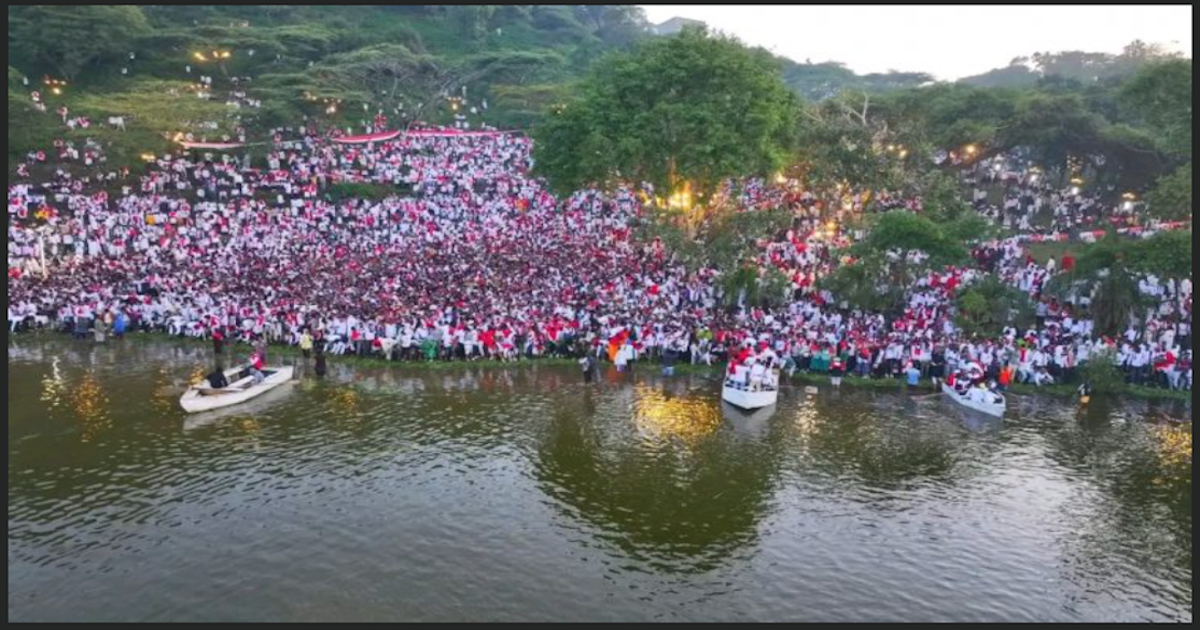
    Irreechaa—the Oromo thanksgiving held at sacred waters like Hora Arsadii (Bishoftu) and Hora Finfinnee—does far more than mark seasonal change. Read through the lens of colonial/historical trauma and its inter-generational transmission, Irreechaa functions as cultural therapy: a cyclical, collective practice that restores dignity, cohesion, and hope after generations of political marginalization. The same symbolic power makes it a lightning rod for control and contestation by state security forces and rival national projects seeking to limit Oromo visibility in shared civic space.

    Read More Irreechaa as Ritual Repair: How Oromo Thanksgiving Supports National Healing—And Why It Draws ContestationContinue

  • Foreign Scholar
    Op-Ed | ⏭

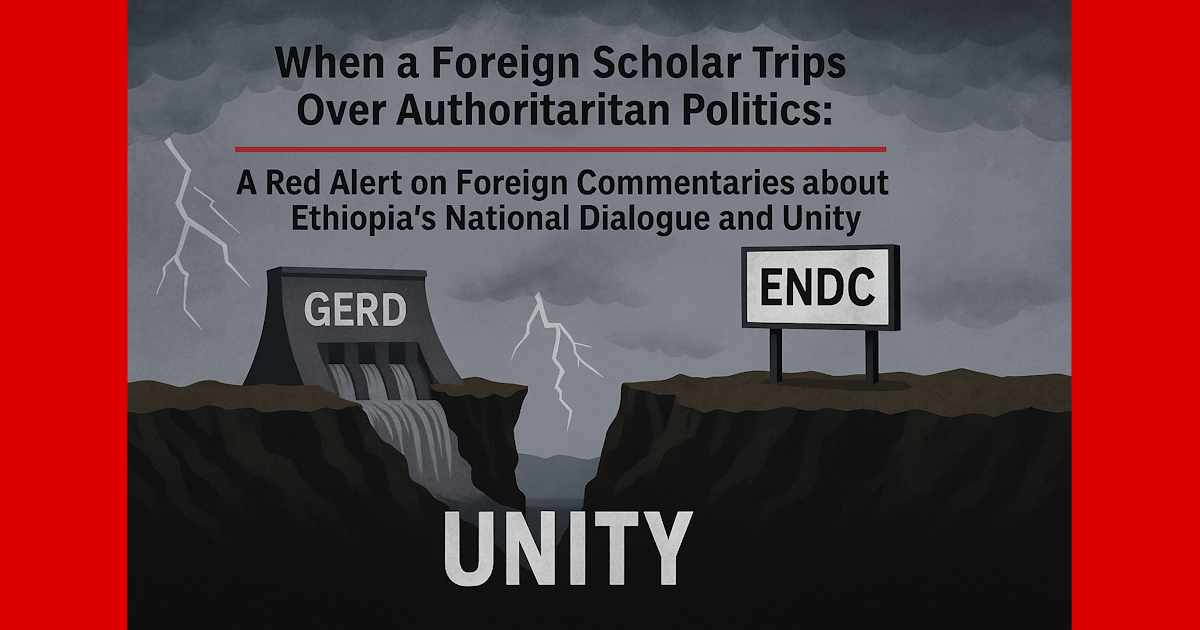
    When A Foreign Scholar Trips Over Authoritarian PoliticsA Red Alert on Foreign Commentaries about Ethiopia’s National Dialogue and Unity

    By Roobaa Hawaas (MA, Psychology) Posted on2025-10-102025-10-10

    A recent 'The Conversation' article by a foreign scholar lauds Ethiopia’s new dam and National Dialogue as signs of national unity. Yet beneath its polished tone lies a troubling detachment from Ethiopia’s lived realities. When foreign scholars echo autocratic narratives, they lend legitimacy to repression. Academic distance must not become moral distance — especially in a land scarred by stormy landscapes and rifted terrains of conflict, exclusion, and historical injustice.

    Read More When A Foreign Scholar Trips Over Authoritarian PoliticsA Red Alert on Foreign Commentaries about Ethiopia’s National Dialogue and UnityContinue

  • Ignorance
    Op-Ed | ⏭

    The Compendium of Ignorance: Anatomy of Amhara Pseudo-Elite Stereotypes Against the Oromo

    By Elemoo Qilxuu Posted on2025-10-092025-10-09

    Ignorance, when disguised as intellect, has long shaped Ethiopia’s moral decay. This compendium exposes how Amhara pseudo-elites turned mockery of Oromo language, names, and heritage into a badge of honour. Through evidence, reflection, and irony, it reveals that ignorance is not mere absence of knowledge — it is the arrogance that resists enlightenment.

    Read More The Compendium of Ignorance: Anatomy of Amhara Pseudo-Elite Stereotypes Against the OromoContinue

  • Irreechaa in Finfinnee
    Culture | Op-Ed | Politics | ⏭

    Much Ado About Irreechaa in Finfinnee: Roots, Identity, and the Future of Coexistence

    By Leemman Leeqaa Posted on2025-10-012025-09-29

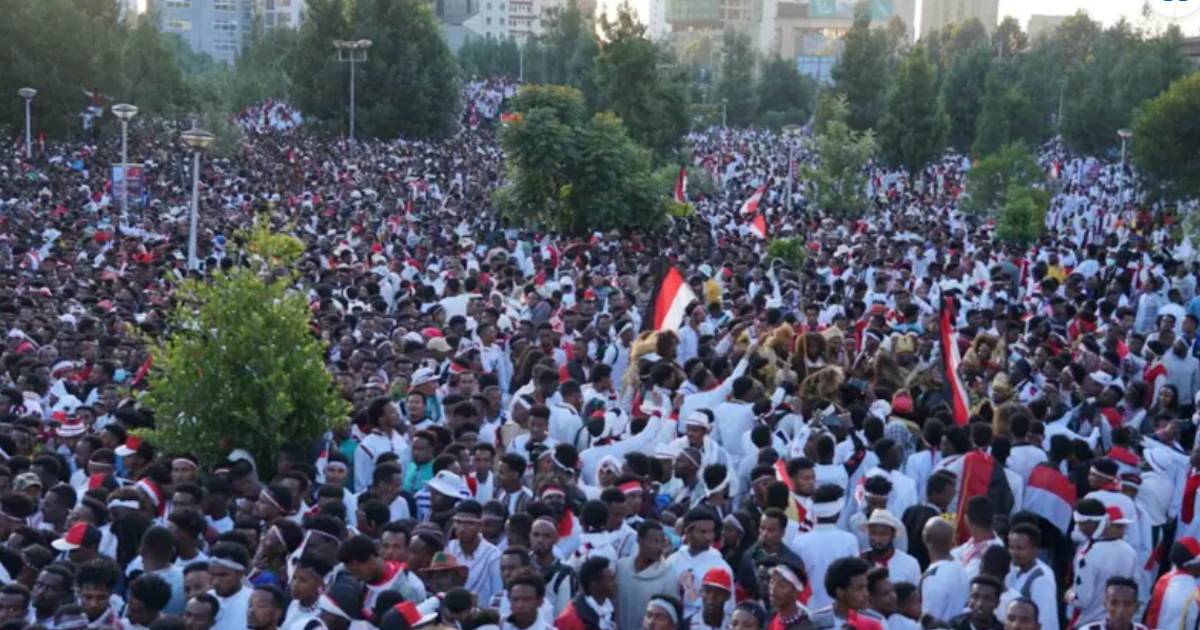
    The festival of Irreechaa in Finfinnee is not an invasion but a return to roots. It embodies the Oromo people’s right to celebrate their culture in their own capital. Ethiopia’s unity will endure only if built on equality and mutual respect, not cultural supremacy or denial of history.

    Read More Much Ado About Irreechaa in Finfinnee: Roots, Identity, and the Future of CoexistenceContinue

  • nuclear
    Article | Op-Ed

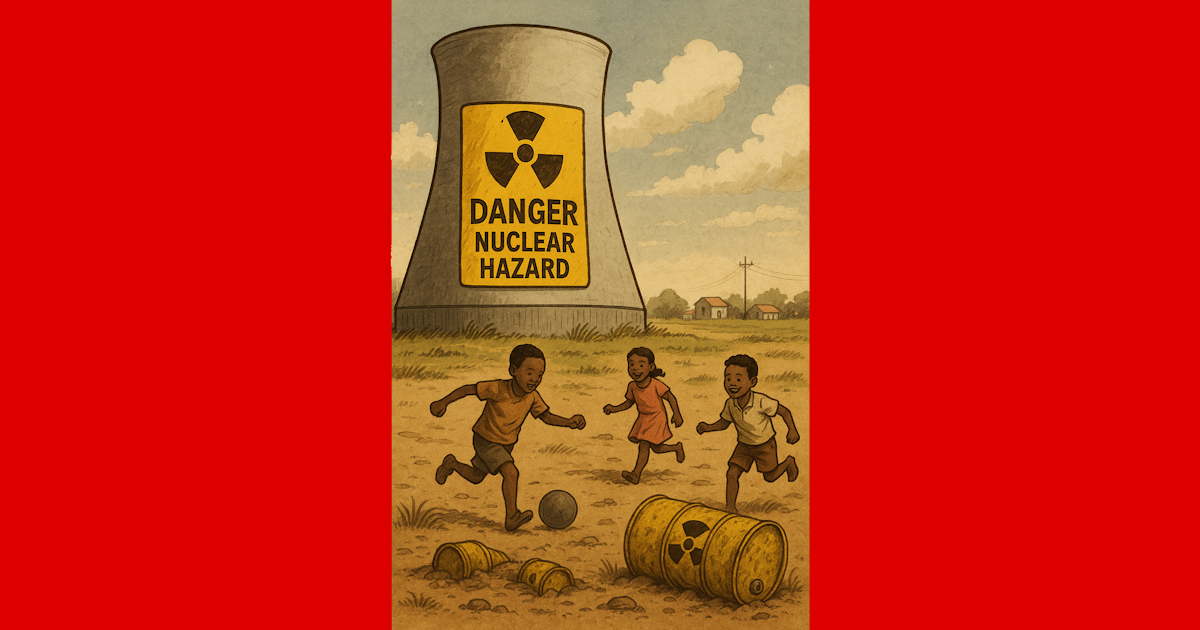
    A Reactor in a Tinderbox: Why Ethiopia’s Nuclear Ambition Demands Global Scrutiny

    By Biqila Bariso (PhD, Physics; MSc, Cognitive Sci.) Posted on2025-09-282025-09-28
    1 Comment

    Ethiopia’s push for nuclear power station is less about energy need than regime vanity, pursued by a leader who weaponize conflict, neglect citizens, and disregard safety. With a record of atrocities, proxy wars, and environmental neglect, entrusting such a volatile state with nuclear materials risks catastrophe not just for Ethiopia, but for the entire region.

    Read More A Reactor in a Tinderbox: Why Ethiopia’s Nuclear Ambition Demands Global ScrutinyContinue

  • dead language
    Article | Op-Ed

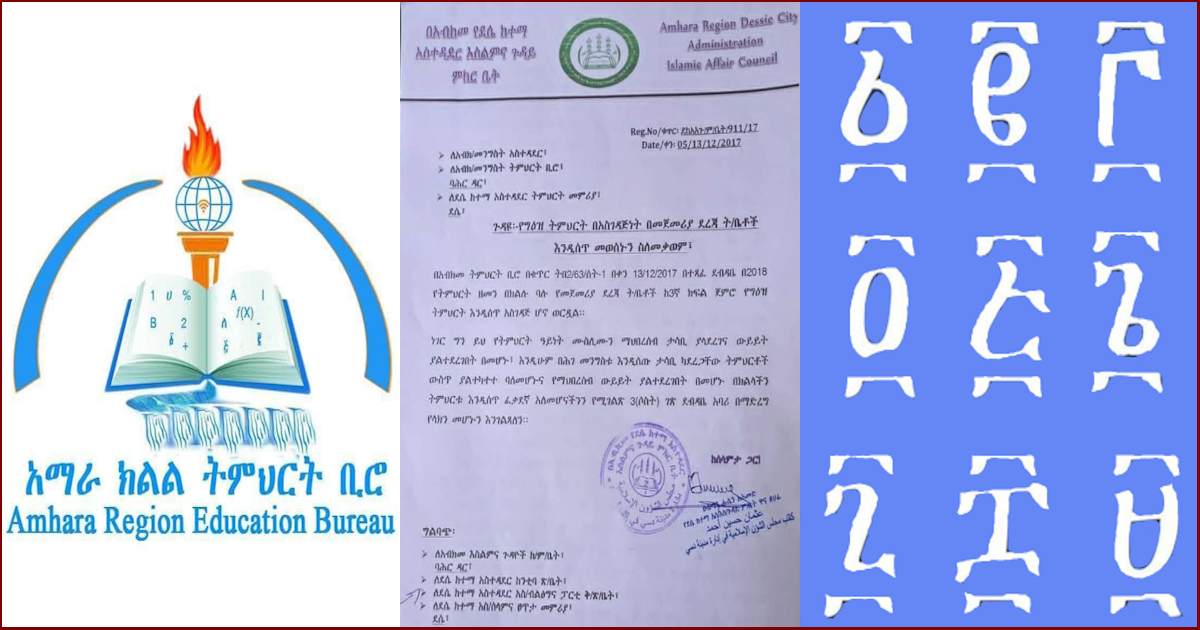
    The Amhara Elites’ Monumental Failure in Insisting on a Dead Language for Primary Education

    By Olii Boran (PhD, Sociology) Posted on2025-09-182025-09-18

    The push to impose Ge'ez as a subject in Ethiopian primary schools in the Amhara region has reignited debate on the futility of elevating a dead language. Across history, such languages remain confined to liturgy or scholarship, never revived as mediums of modern schooling. Insisting otherwise is political miscalculation that risks alienation instead of cohesion.

    Read More The Amhara Elites’ Monumental Failure in Insisting on a Dead Language for Primary EducationContinue

  • Intellectual Capital
    Article | Essay | Op-Ed | Politics | ⏭

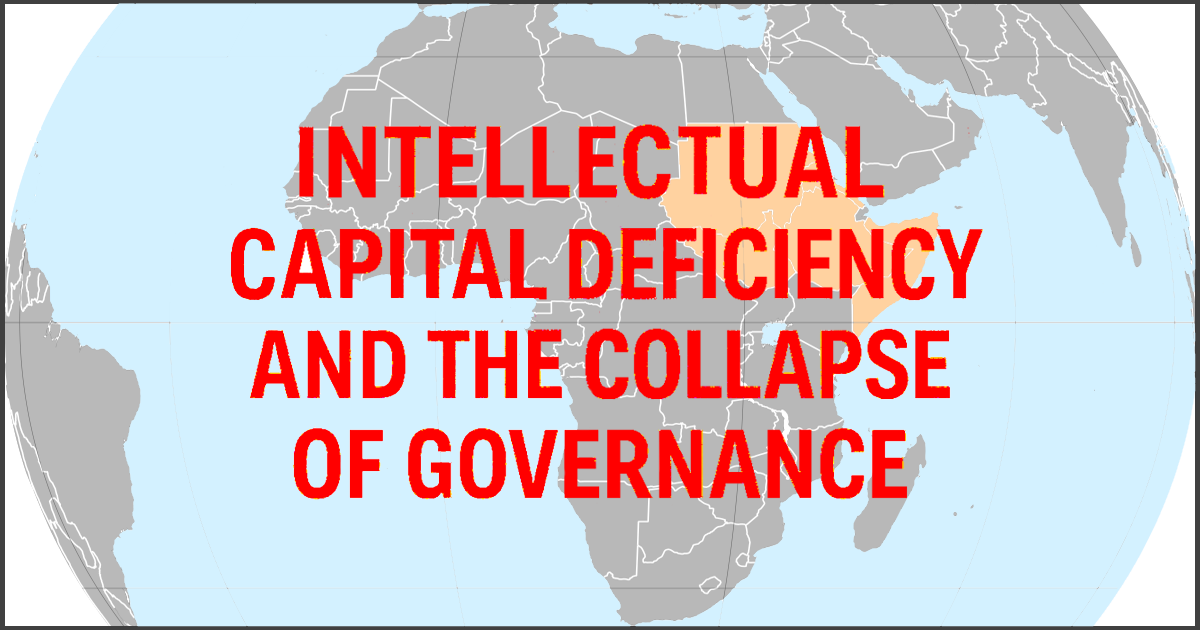
    Intellectual Capital Deficiency in GovernancePart One — Why the Horn of Africa Is a Global Case Study

    By Malkkaa Beenyaa (MA, Social Psychologist) Posted on2025-08-082025-08-08
    1 Comment

    This article applies the Intellectual Capital framework—widely used in business and development—to the sphere of governance. Using the Horn of Africa as a case study, it explores how deficiencies in Intellectual Capital weaken state resilience, fuel instability, and block long-term solutions, while offering insights relevant to governance challenges worldwide.

    Read More Intellectual Capital Deficiency in GovernancePart One — Why the Horn of Africa Is a Global Case StudyContinue

  • Eritrea and Ethiopia
    Article | Commentary | Op-Ed | Politics | ⏭

    Eritrea and Ethiopia: Regret, Rivalry, and the Search for a Permanent Settlement

    By Itansaa Barii Posted on2025-07-242025-07-24

    The troubled relationship between Eritrea and Ethiopia has remained unresolved since independence in 1993. This essay explores whether Eritrea secretly regrets its separation, how President Afwerki's fixation on Ethiopian politics reflects deeper insecurities, and what the future holds. Is this a conflict frozen in time—or a struggle over imperial legacy and regional power?

    Read More Eritrea and Ethiopia: Regret, Rivalry, and the Search for a Permanent SettlementContinue

  • Medieval
    Commentary | Op-Ed | Religious Affairs | ⏭

    We Live Next Door to a Medieval People. Sadly.Orthodoxy, Empire, and the Struggle for Cultural Liberation in Ethiopia

    By Yadessa Guma (PhD, Anthropology) Posted on2025-07-182025-07-16

    A medieval mindset still haunts the Ethiopian Orthodox Church, preserving Ge’ez exclusivity while marginalizing Oromo identity. A recent video by an Orthodox clergyman exposing this racism underscores the need for ecclesiastical autonomy. This article examines how spiritual exclusion is tied to imperial history—and why a modern, inclusive Oromia Orthodox Church is no longer just necessary, but inevitable.

    Read More We Live Next Door to a Medieval People. Sadly.Orthodoxy, Empire, and the Struggle for Cultural Liberation in EthiopiaContinue

  • Ethiopia
    Op-Ed | Verifiable History | ⏭

    The Myth of Ethiopia’s Historical Continuity: A Political Invention Disguised as Legacy

    By Olii Boran Posted on2025-03-172025-03-18

    Synopsis The name Ethiopia is often presented as an unbroken historical identity, tracing back to ancient times. However, a closer examination of historical records, international registrations, and linguistic origins reveals that the name Ethiopia, as applied to a modern empire-state, lacks continuity before the 20th century. Instead, it was a political rebranding strategy, gaining official...

    Read More The Myth of Ethiopia’s Historical Continuity: A Political Invention Disguised as LegacyContinue

  • lies
    Op-Ed | Politics | ⏭

    ETHIOPIA'S 6 BIG LIES FUELING ITS IMPENDING COLLAPSE

    By Elemoo Qilxuu Posted on2024-03-132025-04-22

    Ethiopia’s looming collapse, the article argues, stems from six enduring lies that distort its identity and history—from the myth of a 3,000-year nation and claims of never being colonized to the illusion of unity and heroism. These deceptions, sustained by political elites and echoed through propaganda, have fractured trust, erased diversity, and silenced truth. Unless Ethiopia confronts these falsehoods, embraces genuine federalism, and addresses historical injustices—particularly against the Oromo—its instability will deepen beyond repair.

    Read More ETHIOPIA'S 6 BIG LIES FUELING ITS IMPENDING COLLAPSEContinue

Page navigation

Previous PagePrevious 1 2

Archives

Recent Posts

  • The Ethiopian Perspective Gap: Why Some Voices Sound Like Truth—and Others Like Rebuttal
  • One Song, Five Messages
  • Cui Bono? The Political Economy of Conflict and the Oromo Question
  • Ambo: Cruelty in Plain Sight — Violence, Impunity, and the Political Crisis in Oromia
  • Remembering Guyyaa Gootota Oromoo
  • Oromo Martyrs Day—April 15, 2026: Memory, Sacrifice, and the Unfinished Future of Oromia
  • The Peace Conference Without the Other Side
  • 7 Reasons Why There Can Be No Credible Electoral Process in an Empire Disintegrating Before Our Eyes
  • History Comes to the UN and Asks for a Vote
  • Much Ado About Nothing—The Illusion of Elections in Oromia and Ethiopia

Authors

Categories

Recent Comments

  • webmaster on Remembering Guyyaa Gootota Oromoo
  • ejigu etana on Remembering Guyyaa Gootota Oromoo
  • ejigu etana on Remembering Guyyaa Gootota Oromoo
  • Raba Dori on Between Water at the Margins and SurvivalEnvironmental Precarity and the Political Economy of Inequality in Oromia
  • Dereje Hawas on Between Water at the Margins and SurvivalEnvironmental Precarity and the Political Economy of Inequality in Oromia
Facebook X YouTube TikTok Telegram

© 2026 OROMIA TODAY

Report an Incident

Tags Cloud

3000-Year Myth Aabbuu Seeraa Aabbuu Seeraa Airport Abiy Ahmed Amhara Elite Amhara Fano Caffee Oromia Calii Tuulamaa ENDC Eritrea Ethiopian Empire EZEMA Faarseebulaa Fact-checking FearlessTayeDanda'a Finfinnee Gadaa Supercity GERD History & Memory IMF Indigenous Oromo Indigenous Rights Irreechaa July 2024 Macroeconomic Policy Math Meets PP Myth MMPPM Moyale Multinational Federalism OLA OLF OLF-OLA OPDO/PP Oromia Oromo Questions Oromo Struggle Oromummaa PP Regime PP Regime Brutality Remembrance Safuu Shimelis Abdissa Somali Region Taye Danda'a TPLF Tribute
Scroll to top
  • Home
  • Articles
  • Editorial
  • News
  • Opinions
  • About
  • Contact
Search